
Last updated September 23, 2026
Seasonal Insulation Care for Burbank: Year-Round Homeowner’s Guide
During a Santa Ana event, sustained 50-60 mph winds create positive pressure on the windward side of a Burbank home that actively pushes air through every unsealed penetration. An attic bypass leaking 50 CFM on a calm day can leak 200 CFM when those winds hit, and loose-fill insulation near those bypasses shifts measurably. We’ve pulled back insulation in Burbank attics after October wind events and found bare patches where the material migrated 18 inches from its original position. This guide shows you how to read your home’s envelope through the four thermal stress periods that actually define Burbank’s climate, not the four seasons that don’t - for a deeper dive, see The Complete Guide to Insulation in Burbank.
Quick Answer
Seasonal insulation care in Burbank means four distinct maintenance windows: summer assessment of radiant heat damage to attic insulation, fall post-Santa Ana inspection for displaced materials and new air leaks, winter monitoring for marine-layer condensation at the attic floor, and spring pest exclusion before roof rat breeding season peaks. For a detailed checklist, download our Attic Insulation Maintenance Checklist for Burbank Homeowners. A simple year-over-year utility comparison catches performance decline before it becomes a full replacement. Most Burbank homes built between 1940 and 1985 need attention in at least two of these windows annually.
Table of Contents
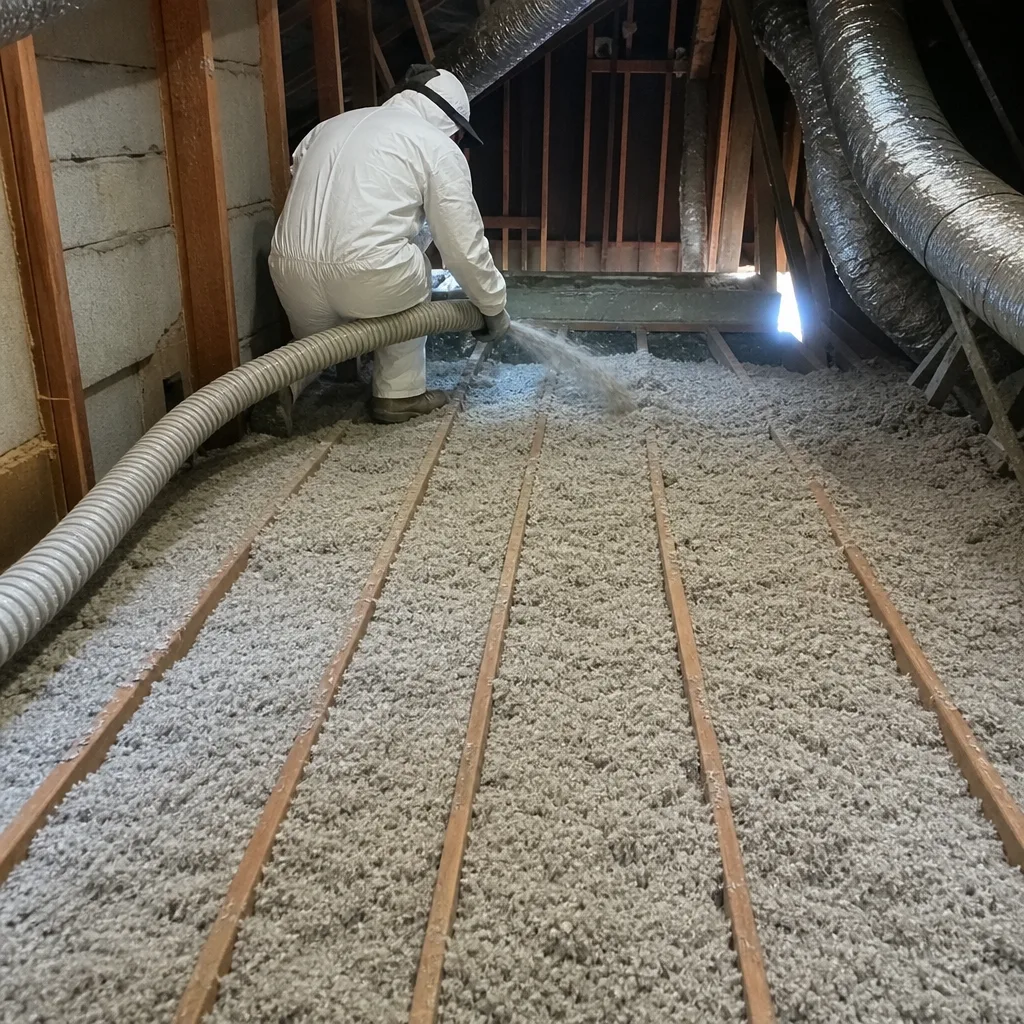
- Summer Radiant Heat: What 140°F Attic Air Does to Your Insulation
- Fall Santa Ana Season: The Post-Wind Inspection Protocol
- Winter Marine Layer: Condensation Risk at the Attic Floor
- Spring Pest Exclusion: Timing Before Roof Rat Breeding Season
- How to Build a Year-Over-Year Performance Comparison
- A Burbank-Specific Seasonal Maintenance Calendar
- Common Mistakes to Avoid
- When to Call a Professional
- Frequently Asked Questions
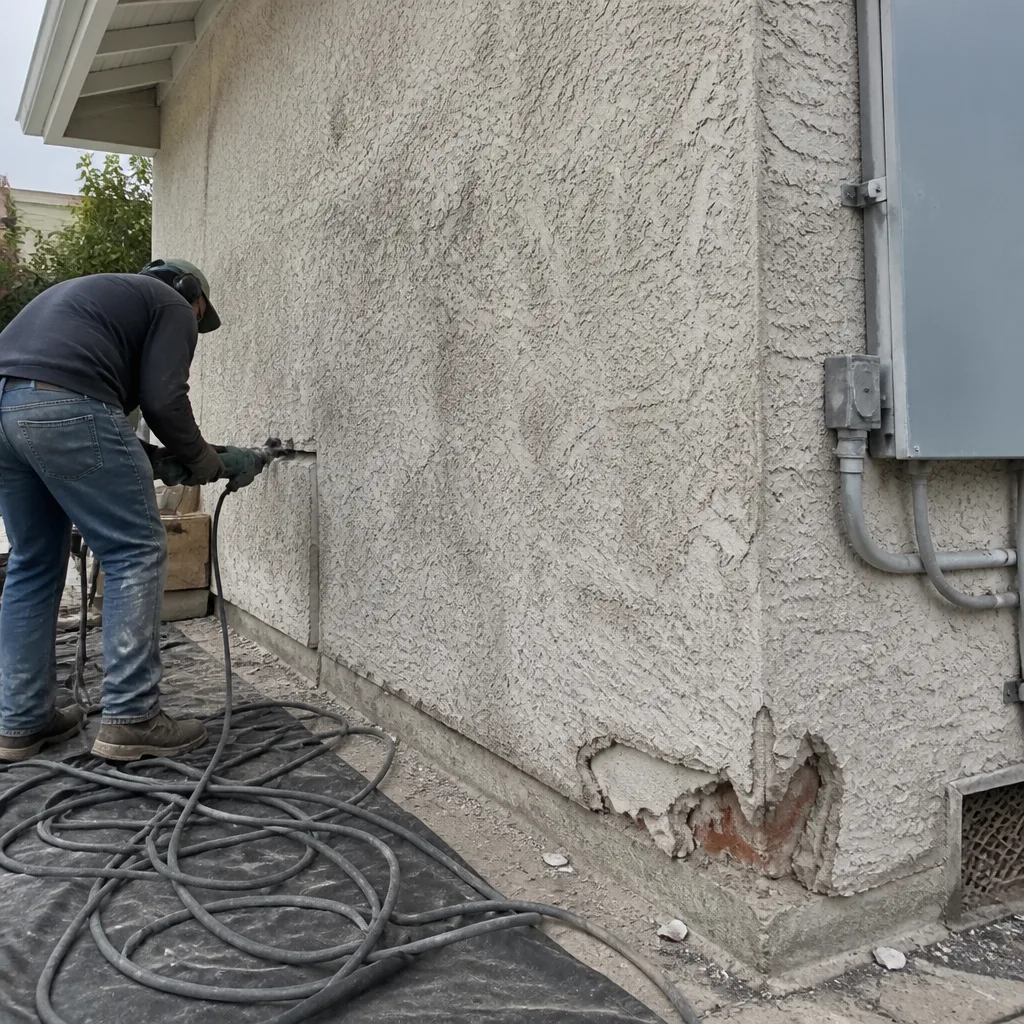 Before
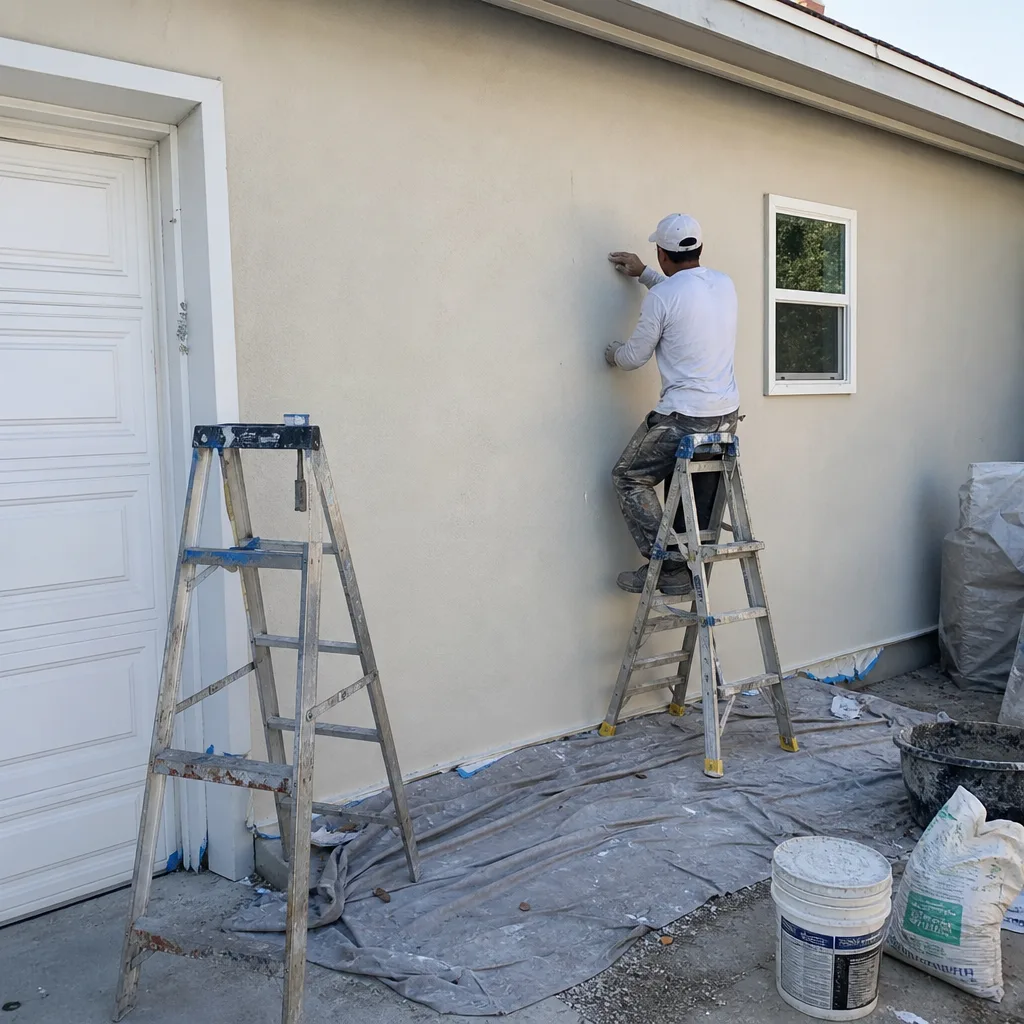 After
AfterSummer Radiant Heat: What 140°F Attic Air Does to Your Insulation
Burbank’s summer thermal stress isn’t about ambient temperature. It’s about radiant heat gain from west- and south-facing tile roofs that drives attic air well above 140°F for weeks at a stretch. We’ve measured 147°F in a Magnolia Park attic at 3 p.m. in late July. That sustained heat changes how insulation performs, and the change isn’t uniform across material types.
Fiberglass batts lose R-value through a mechanism called thermal drift. The binder that holds glass fibers together degrades with repeated heat cycling above 130°F. After five Burbank summers, a batt rated at R-30 can test at R-24 in the field. The material doesn’t disappear; it just becomes less resistant to heat flow. You can spot this by looking for batts that have gone limp or developed a slight yellow tint in the center where the binder has oxidized.
Cellulose behaves differently. The fire retardants - typically borate compounds - can migrate toward the top of the insulation layer with repeated moisture and heat cycles. In Burbank’s dry climate, the moisture component is minimal, but the heat drives the same migration. The result is a stratified layer: slightly denser, more fire-resistant material on top, and looser, less effective material below. R-value doesn’t drop as sharply as with fiberglass, but the insulation becomes more susceptible to air movement through the loosened lower layer.
What to check in August or September:
- Measure attic air temperature at 2-3 p.m. on a clear day. A simple thermometer taped to a rafter, shielded from direct radiant heat, will do. If you’re consistently reading above 135°F, your insulation is undergoing accelerated aging.
- Inspect fiberglass batts for compression or limpness. Lift a corner gently. A fresh batt springs back; a heat-aged batt stays compressed.
- Check for dust lines on top of cellulose. A clean, even surface suggests good condition. Streaks or channels indicate air movement through the material, which means either the material has loosened or your air sealing has failed.
- Look at the west and south slopes of your roof from the attic side. Dark staining on the roof deck indicates sustained high temperatures that radiate directly into the insulation layer below.
Homes in the hillside neighborhoods above Glenoaks Boulevard - those with direct western exposure and limited tree cover - show this pattern most severely. The attic insulation in Burbank homes in these areas typically needs assessment three to five years earlier than comparable homes in the flatlands near Victory Boulevard.
If your attic is running hot, a radiant barrier - either foil-faced sheathing or a draped foil system - can reduce attic air temperature by 20-30°F. We install these as standalone retrofits or integrate them with new insulation jobs. The key measurement is the before-and-after attic air temperature, not the manufacturer’s claim. We document this on every radiant barrier job in Burbank.
Fall Santa Ana Season: The Post-Wind Inspection Protocol
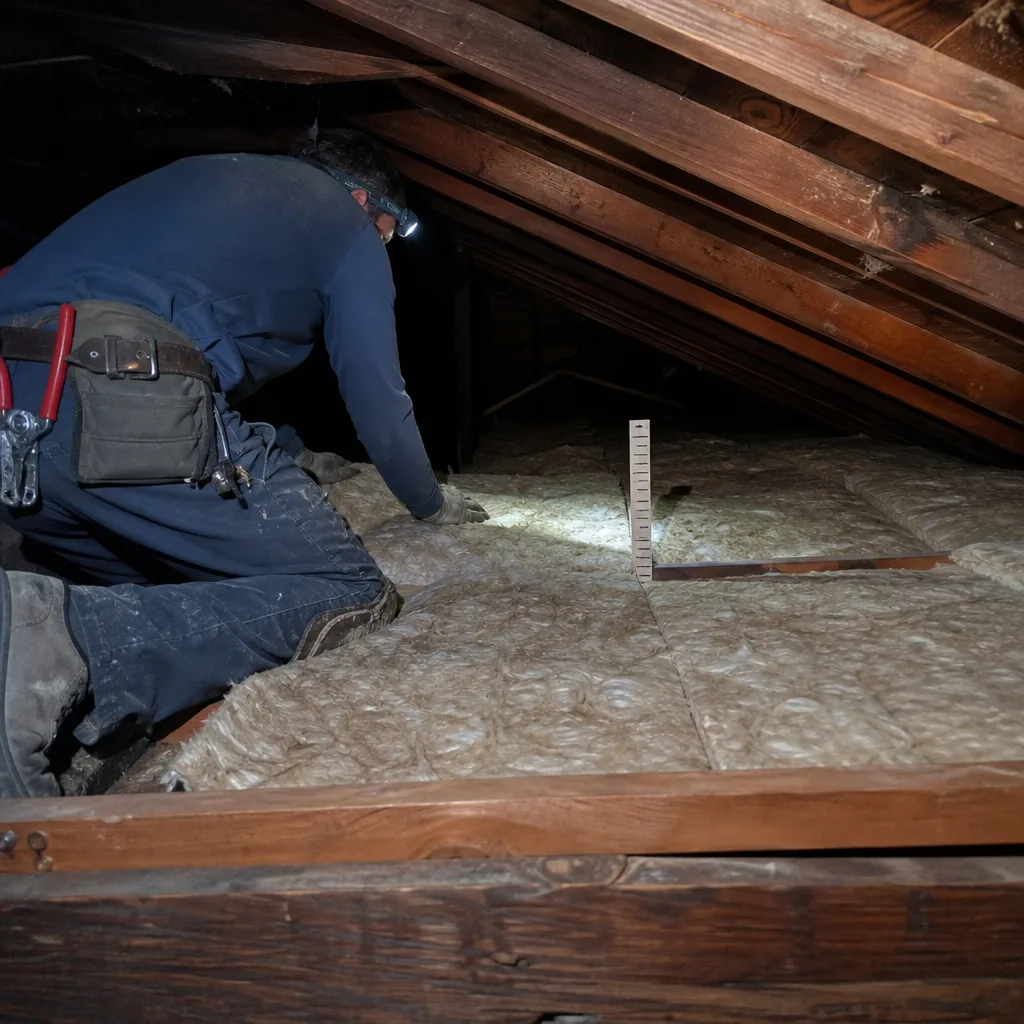
The Santa Ana winds define Burbank’s fall thermal stress period. They typically arrive in October and can persist into November, with sustained winds of 25-35 mph and gusts to 60 mph or higher. These winds create pressure differentials across your home’s envelope that don’t exist at any other time of year.
Here’s what happens in structural terms. Wind hitting the windward side of your home creates positive pressure. That pressure finds every path into the attic: recessed can lights, plumbing vent stacks, electrical penetrations, the gap between top plates and drywall, chimney chases, and any vent that’s missing its screen. On the leeward side, negative pressure pulls conditioned air out of your living space and into the attic through the same paths. The net result is a ventilation rate - measured in CFM50 on a blower-door test - that can quadruple during a wind event.
The insulation consequence is displacement. Loose-fill cellulose or fiberglass near an active bypass gets pushed by the airflow. We’ve found bare attic floor patches in Burbank homes where the insulation migrated entirely into the eave space, leaving the top plate and the wall cavity below it unprotected. This isn’t a gradual settling; it’s a single-event displacement that happens during a three-day Santa Ana period.
Post-wind inspection checklist - complete within two weeks of the last major event:
- Eave baffles and soffit vents. Look for insulation that has migrated into the soffit or blocked the vent opening. Baffles should be intact and firmly stapled. In Burbank’s 1950s ranch stock, we often find original cardboard baffles that have collapsed or been chewed by rodents.
- Attic vent screens. Gable vents, ridge vents, and any powered ventilators should have intact 1/4-inch hardware cloth. Santa Ana winds drive debris that tears screens and creates entry points for the spring pest wave.
- Loose-fill distribution. Walk the attic floor if it’s safe, or use a camera on a pole. Look for thin spots, especially near interior walls where top plate penetrations are most common. The insulation depth should be relatively uniform; variations of more than two inches suggest displacement.
- New air infiltration paths. Check for daylight around chimney chases, around duct boots, and at the junction of partition walls with the attic floor. Structural movement under wind load can open gaps that didn’t exist in September.
- Moisture indicators. Santa Ana winds are dry, but the pressure they create can pull conditioned, humid air into the attic through new leaks. Check for dark spots on the roof deck or frost on nails in early morning - both indicate unexpected moisture.
We’ve completed this inspection protocol on over 9,000 homes since 2016. Every one began with a written price before work started and ended with a Documented Photo Record. In Burbank specifically, we see wind displacement most often in the Topside Attic Insulation Burbank home territory of the Rancho area and the Media District, where 1940s-1960s construction has minimal original air sealing and extensive top plate penetrations from decades of electrical and HVAC modifications.
If you find significant displacement, don’t simply redistribute the material. The bypass that caused the displacement is still active, and it’ll happen again. Seal first, then re-level. That’s the sequence we follow on every job. Spray foam insulation in Burbank can address complex bypass geometry that caulk and foam board can’t reach, but the right approach depends on what the inspection reveals.
Winter Marine Layer: Condensation Risk at the Attic Floor
Burbank’s winter doesn’t bring freezing temperatures, but it brings a specific moisture pattern that damages insulation: the marine layer. On nights when the inland valleys cool below the dew point of the Pacific air mass, fog and low clouds push through the Cahuenga Pass and settle over the flatlands. Temperatures hold in the 40-55°F range, and relative humidity climbs to 80-90% for hours at a time.
The risk isn’t the humidity itself; it’s the temperature differential between that humid outdoor air and your conditioned living space. If your attic floor isn’t properly air-sealed, warm, moist indoor air rises through penetrations and meets the cold roof deck. The dew point is reached at the insulation surface or within the insulation layer itself. Fiberglass, in particular, is a poor moisture manager - it holds water without appearing wet, and the trapped moisture degrades both R-value and structural integrity of adjacent materials.
Early moisture indicators to check in January or February:
- Dark spots or water stains on the attic side of drywall, especially below bathrooms and kitchens where humidity generation is highest.
- Frost on nail points protruding through the roof deck, visible on cold mornings before the sun hits the roof. This indicates that moist air is reaching the deck surface and condensing.
- A musty smell in the attic, even without visible mold. Cellulose with elevated moisture content develops a distinct odor before visible growth appears.
- Insulation that feels damp to the touch or clumps together. Fresh cellulose is fluffy and separates easily; moisture-affected cellulose forms pellets that resist breaking apart.
- Corrosion on metal ductwork or electrical boxes in the attic. This is a lagging indicator - it means moisture has been present long enough to cause chemical change.
The Burbank neighborhoods most affected are those closest to the pass itself: the area between Alameda Avenue and Olive Avenue, and the flatlands south of Magnolia Boulevard where the marine layer lingers longest. Hillside homes above 1,000 feet elevation generally escape this pattern due to better air mixing and slightly warmer overnight temperatures.
If you find moisture indicators, the response isn’t to add more insulation. That traps more moisture. The correct sequence is: identify and seal the air leaks that are transporting humid indoor air, verify that attic ventilation is adequate to clear any residual moisture, then assess whether the existing insulation can be dried and retained or needs replacement. We document this decision process with photos and moisture meter readings, and we provide the homeowner with the data, not a sales pitch.
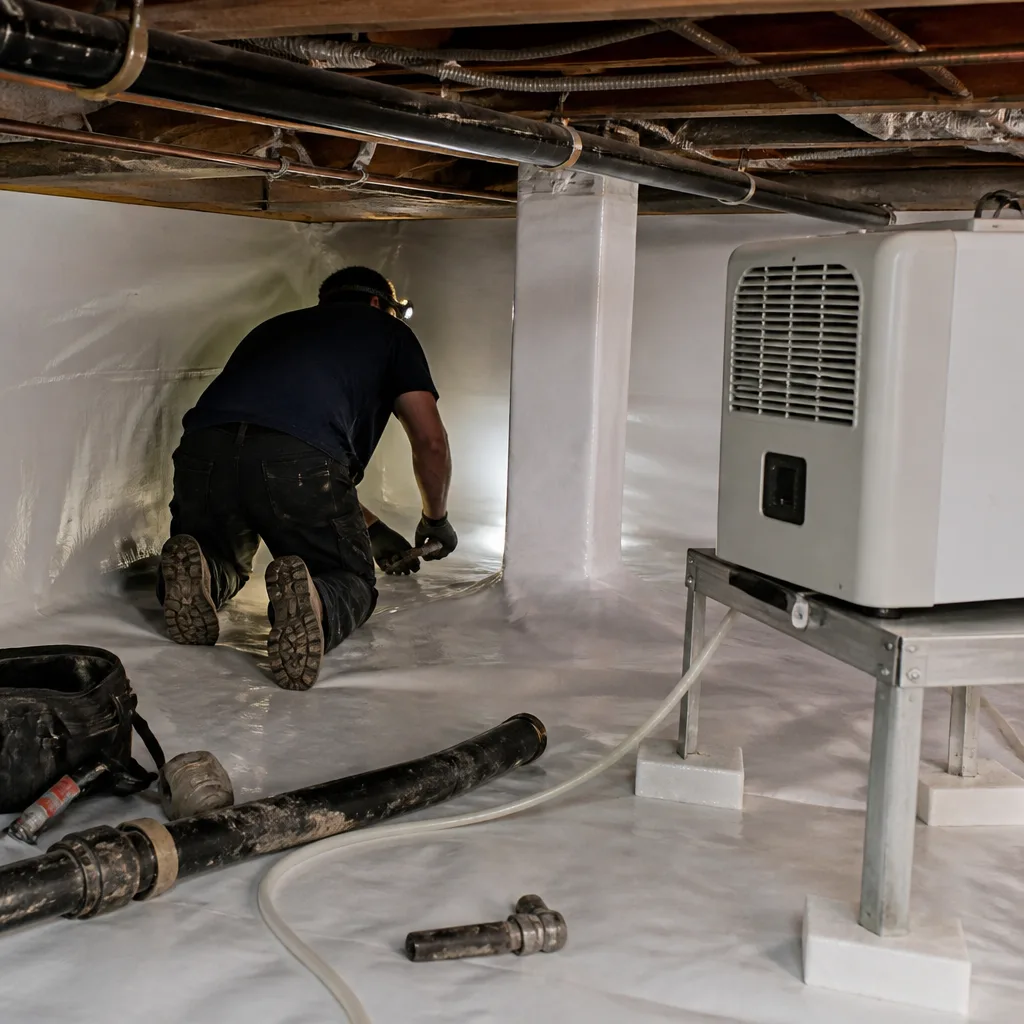
For homes with chronic moisture issues, crawl space encapsulation and vapor barrier in Burbank may be part of the solution, particularly in pier-and-foundation homes where ground moisture contributes to the overall load.
Spring Pest Exclusion: Timing Before Roof Rat Breeding Season
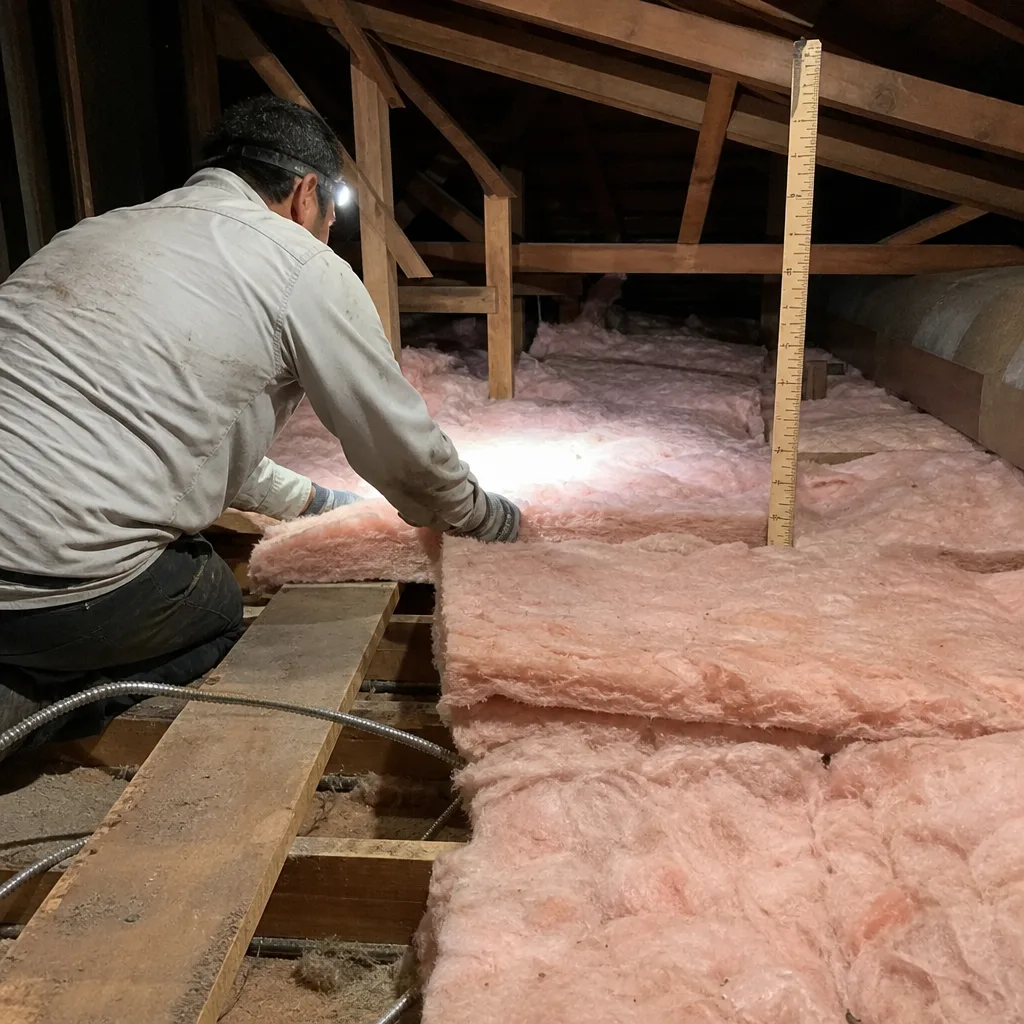
Burbank’s spring thermal stress period isn’t thermal at all - it’s biological. Roof rat breeding season peaks from April through June, and the rats are in your attic for the same reason you condition your living space: temperature stability. An attic with adequate insulation holds a more moderate temperature than an uninsulated one, and the insulation material itself provides nesting material.
The entry points are predictable once you know the local housing stock. Burbank’s Spanish-style homes - common in the Rancho area and along the hillside streets above Bel Aire Drive - have clay tile roofs with open eave gaps where the curved tile meets the fascia. A roof rat needs a gap of 3/4 inch. Many of these homes have gaps of 1.5 inches or more, originally designed for ventilation but now functioning as rodent highways.
Craftsman bungalows, concentrated in the Magnolia Park and Chandler Park areas, present a different pattern. Their low-pitched roofs with wide overhangs create enclosed soffit spaces that are difficult to inspect from the ground. The rats enter through deteriorated corner boards, gaps where rafter tails penetrate the soffit, or through uncapped chimneys and vent pipes.
Pre-breeding-season exclusion protocol - complete by mid-March:
- Walk the perimeter with binoculars. Look for daylight through eave gaps, missing or torn vent screens, and gaps around utility penetrations. Pay special attention to the west and south sides where afternoon sun drives rats to seek cooler entry points.
- Inspect the attic for existing activity. Look for droppings (fresh is dark and soft, old is gray and crumbles), urine stains that fluoresce under UV light, and tunnels or nests in the insulation. Disturbed insulation with a defined path through it is a reliable indicator.
- Seal entry points with appropriate materials. Copper mesh for small gaps (it doesn’t rust and rats can’t chew through it), 1/4-inch hardware cloth for larger openings, and concrete or metal flashing for structural gaps. Never use spray foam alone - rats chew through it in hours.
- Trim vegetation to 18 inches from rooflines. Burbank’s mature ficus and citrus trees are rat superhighways. The 18-inch rule eliminates the bridge.
- Install predator guards on utility lines. Rats run overhead lines into attics. A simple cone guard blocks this path.
If you find active infestation, insulation replacement is usually necessary. Rodent waste contaminates the material, and the pheromone trails left in the attic structure attract future colonizers even after the current population is removed. We handle this as insulation removal and replacement, not cleaning. The Haven Standard requires a written scope that specifies what comes out, what goes in, and what sealing is performed to prevent recurrence.
Materials matter for pest resistance. Owens Corning fiberglass with formaldehyde-free binder is less attractive to rodents than cellulose, though no insulation is truly rodent-proof. Knauf’s EcoBatt with ECOSE Technology has shown good field performance in Burbank’s pest-pressure environments. We specify based on the home’s specific conditions, not a default product.
How to Build a Year-Over-Year Performance Comparison
The most useful insulation maintenance tool is the one most homeowners never build: a simple performance tracker that catches decline before it becomes failure. You don’t need specialized equipment. Your utility bills and thermostat data, tracked consistently, tell the story.
What to collect:
- Monthly electricity and gas bills, with total kWh and therms, not just dollar amounts. Rates change; consumption patterns reveal performance.
- Cooling degree days (CDD) and heating degree days (HDD) for Burbank from NOAA or Weather Underground. These normalize for weather variation between years.
- Your thermostat’s runtime data, if you have a smart thermostat. Ecobee and Nest both provide monthly summaries.
- Any comfort complaints or adjustments - “turned thermostat to 72 in July because 76 felt too warm” is data.
The calculation:
Divide your monthly kWh by CDD for cooling months (June-September), and therms by HDD for heating months (December-February). This gives you energy consumption per degree of thermal stress. Track this ratio year over year. A 15% increase in kWh/CDD means your cooling load has grown - either your insulation has degraded, your air sealing has failed, or your HVAC system has lost efficiency. The first two are envelope issues; the third is mechanical.
We’ve reviewed utility data from Burbank homeowners who caught insulation failure this way. One homeowner in the Hillside District noticed a 22% increase in kWh/CDD over three years, with no HVAC system change. Our inspection found that original 1970s fiberglass batts had compressed from R-19 to an effective R-11, and Santa Ana winds had opened multiple top plate leaks that were never sealed. The blower-door test read 3,800 CFM50 before work and 2,100 after sealing and re-insulating with Johns Manville blown-in fiberglass. The homeowner’s documented photo record showed the before condition, the sealed penetrations, and the final depth gauge readings.
Keep your data in a simple spreadsheet. Update it quarterly. When the trend turns, you have objective evidence that something has changed, and you can call for inspection with specific concerns rather than vague complaints.
A Burbank-Specific Seasonal Maintenance Calendar
| Period | Window | Task | What You’re Preventing |
|---|---|---|---|
| Summer | Mid-August to mid-September | Attic air temperature check; inspect fiberglass for thermal drift; assess cellulose stratification | Accelerated R-value loss from sustained >135°F exposure |
| Fall | Within 2 weeks of last Santa Ana event | Post-wind inspection for displaced loose-fill, damaged vent screens, new infiltration paths | Cumulative air leakage increase; bare patches at top plates |
| Winter | January-February | Moisture indicator check; inspect for condensation at attic floor; verify ventilation adequacy | Mold establishment; structural degradation; winter humidity damage |
| Spring | Mid-February to mid-March | Perimeter exclusion walk; attic pest activity inspection; vegetation trim; entry point sealing | Roof rat colonization; contaminated insulation; pheromone trail establishment |
| Annual | Any consistent month | Update utility performance tracker; compare kWh/CDD and therm/HDD year over year | Unrecognized performance decline; delayed maintenance response |
This calendar reflects Burbank’s actual climate patterns, not a generic four-season template. The summer window is timed for peak attic temperatures, not the solstice. The fall window is event-driven, not calendar-driven. The spring window closes before breeding season, not after.
Common Mistakes to Avoid
- Adding insulation over unsealed bypasses. This is the most common error we correct in Burbank. More insulation without air sealing increases the pressure differential across the remaining leaks and can actually worsen the problem. Seal first, insulate second.
- Ignoring the Santa Ana displacement. Homeowners who don’t inspect after wind events often discover bare patches years later, when the damage to energy bills and comfort is already substantial. The two-week post-event window matters.
- Using moisture readings from a single point. Attic moisture varies dramatically by location. A reading near a bathroom penetration may show elevated moisture while the opposite corner reads dry. Sample at minimum five points, or hire a pro with a thermal imaging camera.
- Sealing attic vents for “efficiency.” Burbank code requires adequate attic ventilation, and for good reason. Sealed attics without conditioned air supply create moisture traps. Ventilation and insulation work together; neither replaces the other.
- DIY pest exclusion with spray foam alone. Rats chew through spray foam in hours. The hardware cloth and copper mesh are essential. We’ve been called to replace “repaired” entry points that failed within a week.
- Comparing dollar amounts on utility bills instead of consumption per degree day. SCE rate changes and tier shifts make dollar comparisons meaningless. Normalize for weather and rates, or you’re tracking noise.
- Waiting for visible mold before acting on moisture indicators. By the time mold is visible, the insulation and potentially the roof deck are compromised. Dark spots and musty odors are the early warning system.
When to Call a Professional
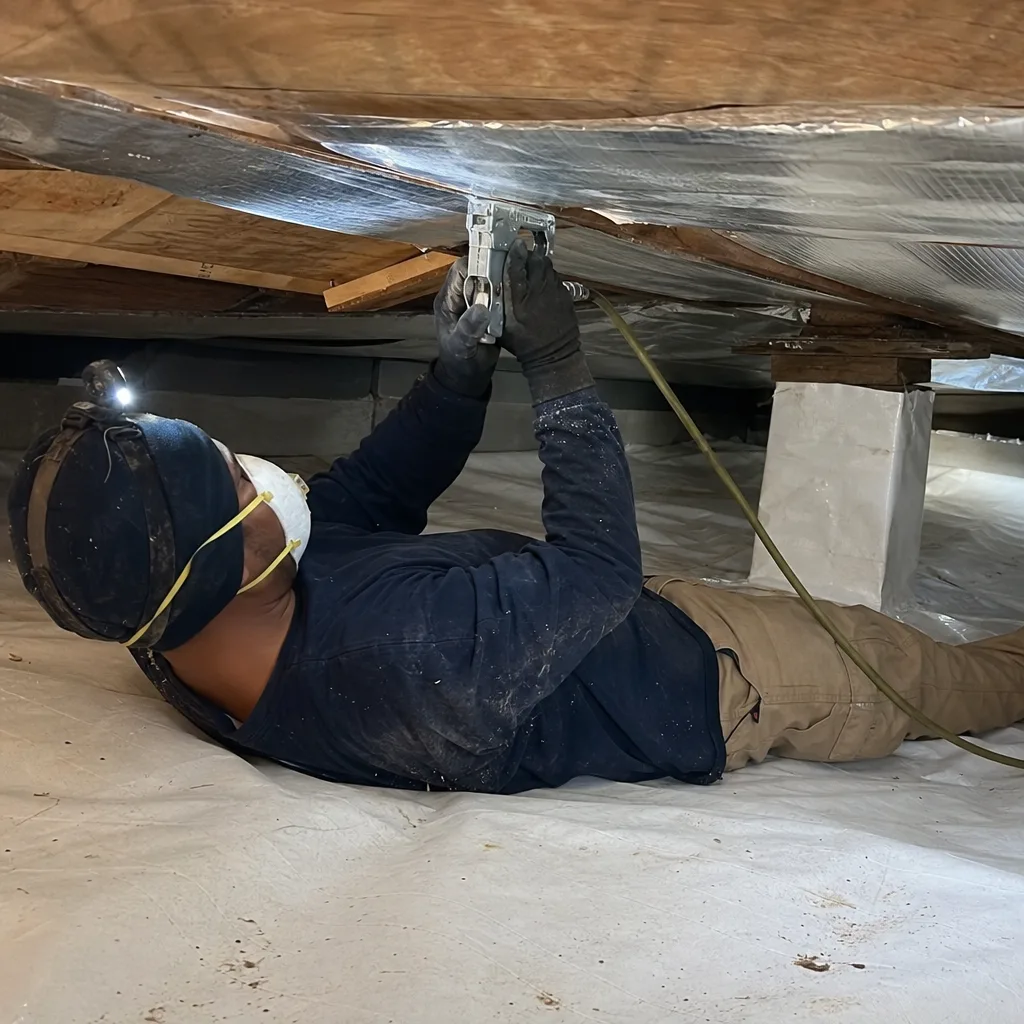
Call for inspection when your year-over-year utility tracker shows a sustained 15% increase in consumption per degree day, when you find bare attic floor patches larger than a square foot, when moisture indicators appear on multiple inspection points, or when you hear or see evidence of pest activity. These are not DIY moments; they’re diagnostic moments that require specific tools and training to interpret correctly.
Topside Attic Insulation Burbank offers free estimates in Burbank - call (213) 816-1699. Every estimate includes a written price before any work starts, a documented photo record of what we find, and on applicable jobs, before-and-after blower-door numbers so you can verify the air-sealing result. The 365-Day Done Right Promise applies to all completed work. Under Haven Standard: Arrive on schedule, you get a named technician and a text when they are on the way.
Frequently Asked Questions
At minimum, inspect twice yearly: after the last Santa Ana event in fall, and during peak summer heat in August or September. Add a winter moisture check if your home is in the flatlands near the Cahuenga Pass where marine layer influence is strongest. Call (213) 816-1699 for a free estimate if any inspection reveals concerns - estimates include a written price before work starts.
Most attic insulation jobs in a Burbank home of 1,200-2,000 square feet run between $2,800 and $5,400, depending on existing material condition, accessibility, and whether air sealing is needed before insulation placement. Homes with original 1950s-1970s insulation that must be removed before replacement fall at the higher end. We provide a written price before any work starts, with no exceptions. Call (213) 816-1699 for a free estimate - we also offer a Free Second Opinion on any written estimate from another contractor.
Only if the old insulation is dry, uncontaminated, and the attic floor is properly air-sealed. In Burbank, we find that 60% of homes with original insulation have unsealed top plates or active moisture issues that make overlay inappropriate. Adding insulation over these conditions traps moisture and masks the real problem. We assess this with a blower-door test and moisture meter readings before recommending any approach.
Santa Ana winds create pressure differentials across your home’s envelope that force air through unsealed penetrations at 3-4 times the normal rate. This air movement displaces loose-fill insulation, creating bare patches where the attic floor is exposed. The winds also drive debris that damages vent screens, creating entry points for pests. The displacement is often invisible from the attic hatch; it requires walking the attic floor or using a camera to detect.
Spray foam provides superior air sealing and R-value per inch, which matters in Burbank’s constrained attic spaces. However, it’s not universally better. Open-cell spray foam is vapor-permeable and appropriate for most Burbank applications; closed-cell is vapor-impermeable and can trap moisture if the envelope isn’t properly designed. We specify based on the home’s specific conditions, not a default product. GreenFiber cellulose and Owens Corning fiberglass remain excellent choices for many Burbank homes, particularly where budget or moisture management considerations favor them.
Address the infestation before addressing the insulation. Rodent waste contaminates insulation material, and pheromone trails in the attic structure attract future colonizers. After professional pest control eliminates the population, the insulation typically needs removal and replacement, not cleaning. We provide this service with a written scope specifying what comes out, what goes in, and what exclusion work prevents recurrence. The documented photo record shows you the condition before, during, and after.
The Bottom Line
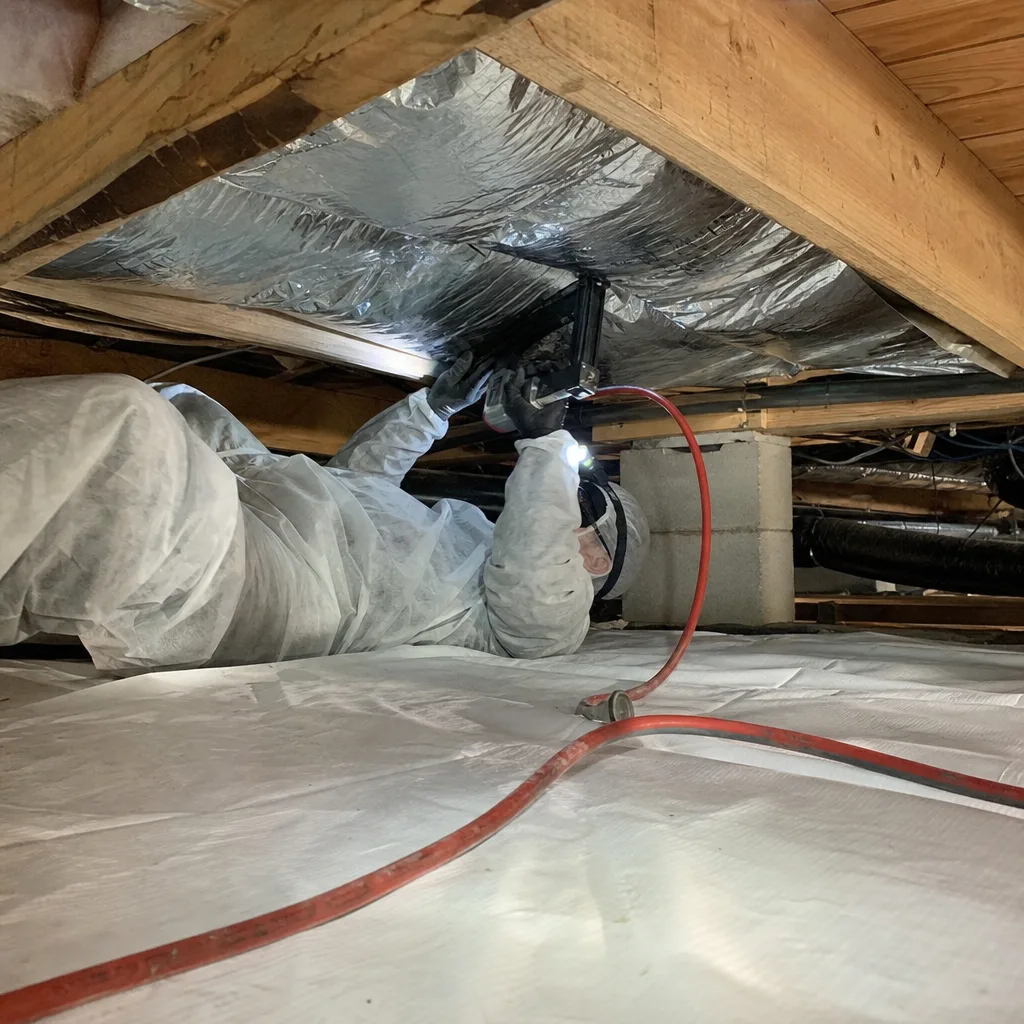
Burbank’s insulation doesn’t face four equal seasons - it faces four distinct stress periods that each degrade performance in predictable ways. Summer radiant heat ages fiberglass and stratifies cellulose. Fall Santa Ana winds displace loose-fill and open new infiltration paths. Winter marine layer moisture condenses at attic floors with poor air sealing. Spring pest pressure contaminates insulation before most homeowners notice. A seasonal inspection calendar aligned to these actual patterns, combined with a simple year-over-year utility tracker, prevents the cumulative degradation that turns a 10-year insulation job into a 25-year performance profile. The tools are simple: a thermometer, a camera, binoculars, and a spreadsheet. The discipline is what matters. For more guides & resources on protecting your Burbank home’s envelope, visit our blog.
Written by Wes Okafor, Owner at Topside Attic Insulation Burbank, serving Burbank since 2016.