
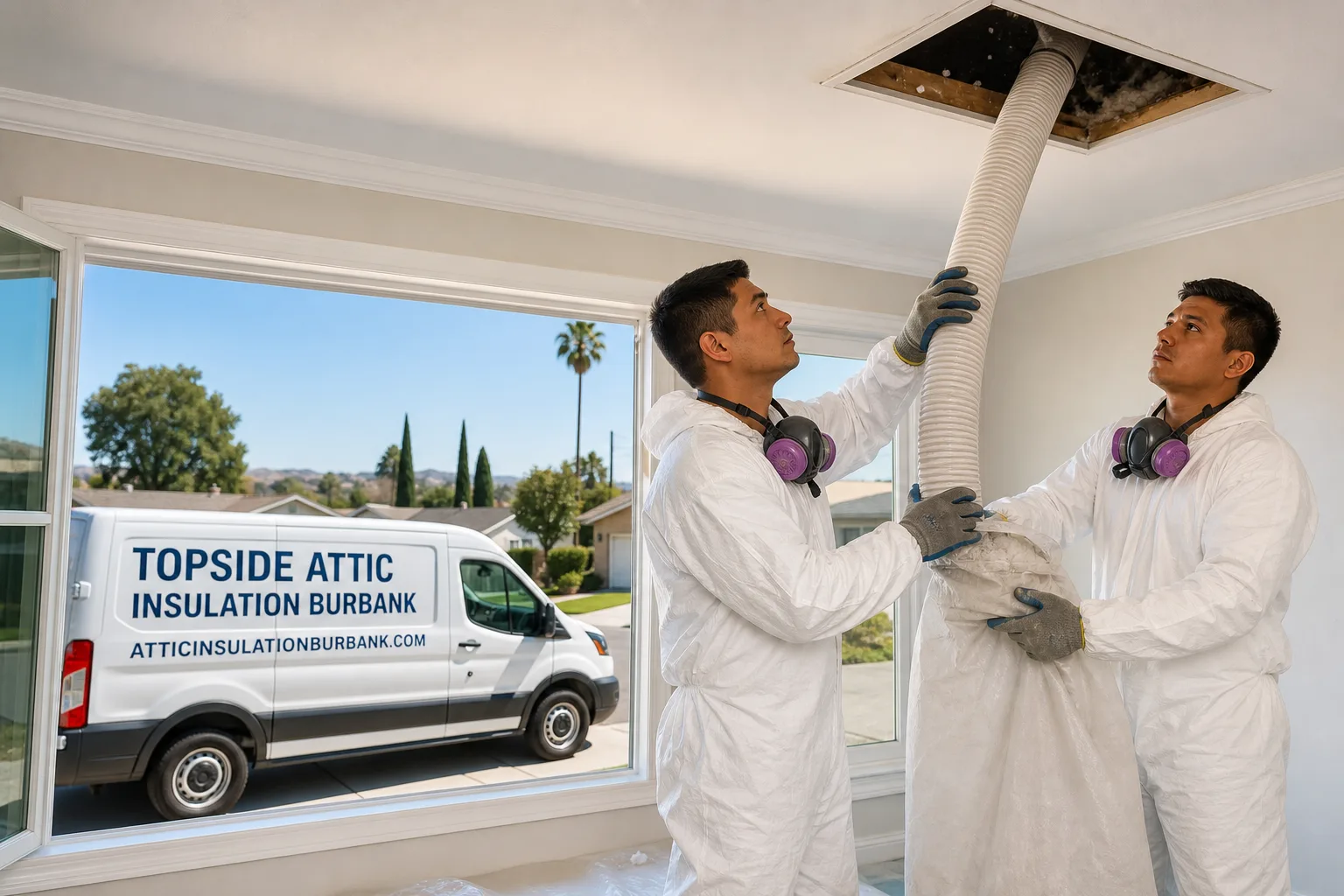
How Much Does Radiant Barrier Installation Cost in Burbank?
Radiant barrier installation in Burbank, CA typically runs between $1,400 and $3,200 for a standard single-family home, with most jobs landing around $1,800 to $2,400 when the attic is accessible and the framing is straightforward. That range covers labor and materials for a foil-based radiant barrier stapled to the underside of the roof decking – the most common installation method we see in the San Fernando Valley’s ranch-style and post-war bungalow stock.
Burbank sits in a climate zone where summer attic temperatures routinely exceed 140°F, which means radiant barriers earn back their cost faster here than in most Southern California submarkets. If your home is in Magnolia Park, Burbank Hills, or anywhere with a west-facing roof plane, that heat load is even more pronounced.
Radiant Barrier Installation Cost Breakdown (2026)
Below is a line-item breakdown reflecting actual Burbank-market pricing as of 2026. These are not national averages padded with a disclaimer – they reflect what we quote and what competitors quote in the 818 area code.
| Line Item | Typical Range (Burbank, 2026) | Notes |
|---|---|---|
| Foil radiant barrier material (per sq ft) | $0.15 - $0.40/sq ft | Double-sided foil with a perforated variant for humid climates; single-sided is common in dry Burbank summers |
| Labor – staple-up (rafter application) | $0.50 - $0.90/sq ft | Most common method; requires navigating roof trusses and knee walls |
| Labor – attic floor lay-over | $0.35 - $0.65/sq ft | Faster install but less effective in an actively ventilated attic |
| Attic access prep and cleanup | $80 - $250 | Varies by number of access hatches and existing debris |
| Whole-job estimate – 1,200 sq ft attic | $1,400 - $2,000 | Typical for a 1,500 sq ft footprint Burbank bungalow |
| Whole-job estimate – 1,800 sq ft attic | $1,900 - $2,600 | Common in Burbank’s larger mid-century ranches near Olive Ave |
| Whole-job estimate – 2,400+ sq ft attic | $2,600 - $3,400 | Hillside homes and larger properties in Burbank Hills; access complexity raises labor |
| Combined radiant barrier + attic air sealing | $2,400 - $4,800 | Radiant barrier is more effective when the attic is also sealed; we recommend this pairing |
What Pushes the Price Higher
- Hillside or steep-pitch rooflines: Homes in Burbank Hills – particularly on Rim of the Valley Trail-adjacent streets – have attic spaces that are tighter and more irregular than the flatland ranches in Magnolia Park. Tighter access means slower labor, which adds $200 to $600 to a typical job.
- Existing insulation in the way: If blown-in cellulose or fiberglass batt is already sitting on the attic floor, the crew works around it. If that insulation is old or contaminated, removal may be needed before barrier installation – that’s a separate line item starting around $800.
- HVAC equipment and ductwork in the attic: About 60% of Burbank homes we visit have air handlers or duct runs in the attic. Working around this equipment slows the staple-up process and sometimes requires temporary repositioning of flex duct to get the barrier laid correctly.
- Number of roof penetrations: Plumbing vents, exhaust fans, and attic vents all need to be worked around. More penetrations mean more cut-and-fit time on the foil material.
What Keeps the Price Lower
- Simple gable-roof geometry with a single large attic cavity (common in 1950s-era Burbank tract homes)
- Good existing attic access – a pull-down stair beats a scuttle hole by an hour of labor time
- No existing debris or rodent damage requiring cleanup before installation
- Combining with attic insulation work already scheduled, which distributes the mobilization cost
Under Haven Standard Clause 1 – Written Price Before Any Work Starts – you receive a flat, written price and written scope before anyone sets foot on a ladder. No hourly surprise at the end.
What Affects Radiant Barrier Installation Pricing in Burbank
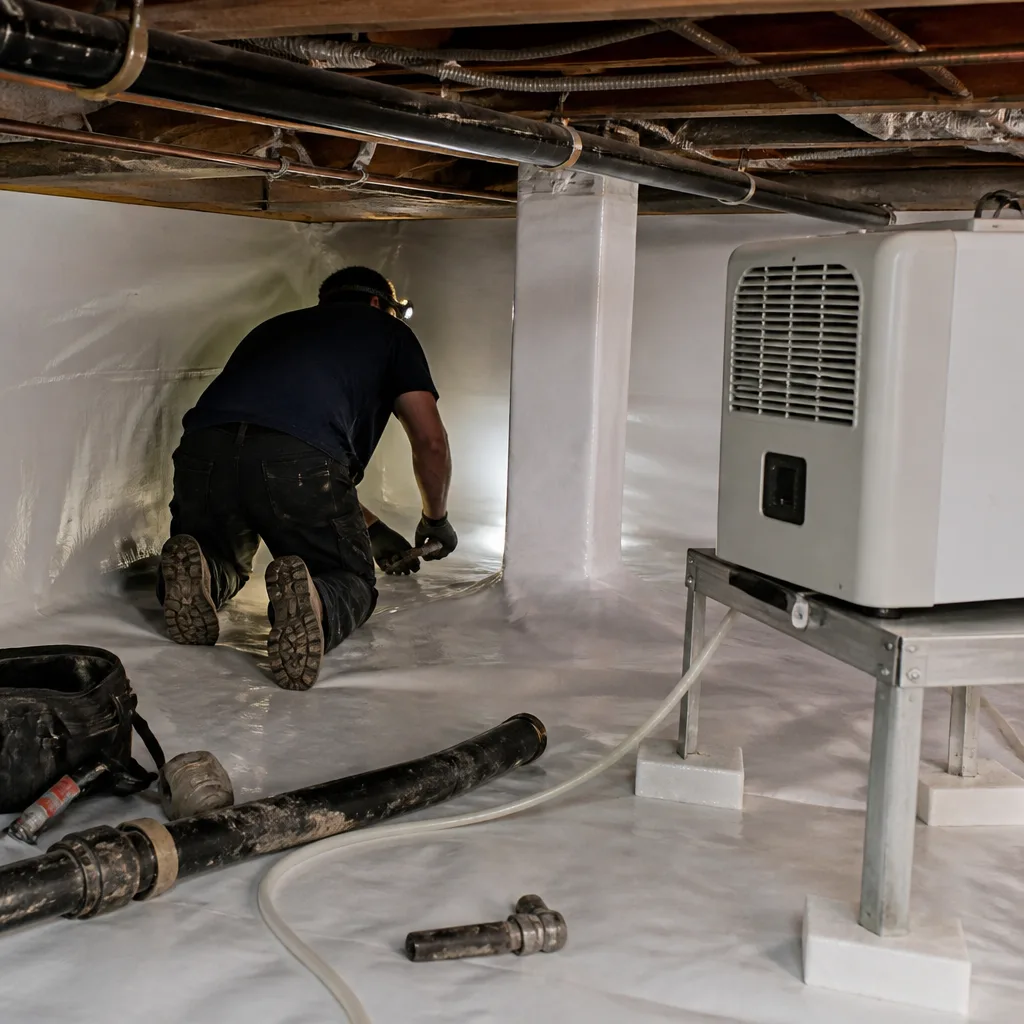
Six factors move the number materially. Here is how each one plays out specifically in the Burbank market.
- Attic square footage: Radiant barrier pricing is fundamentally a square-footage calculation. A 1,200 sq ft attic footprint (typical for a 1,500 sq ft home on Keystone Street or Verdugo Ave) will land in a different bracket than a 2,600 sq ft attic on a larger Burbank Hills property. Get the measurement right before comparing quotes – some contractors quote roof plane area, others quote attic floor area; they are not the same number.
- Installation method – rafter-side staple-up vs. attic-floor lay-over: Stapling the foil to the underside of the roof decking (between the rafters, facing down into the attic) is the most effective approach for Burbank’s dry-heat summers because it reflects radiant energy before it can heat the attic air mass. The lay-over method – loosely laying foil on top of existing insulation on the attic floor – is cheaper to install but less effective. We default to staple-up because the performance difference in a 110°F July in Burbank is measurable.
- Attic accessibility and headroom: Burbank has a substantial stock of post-war homes built between 1945 and 1965, many of which have low-slope rooflines and attic access points that were clearly not designed for adult-sized humans with a roll of foil under their arm. Tighter access adds labor time, and labor time adds cost. The estimate should account for this specifically, not generically.
- Roof orientation and sun exposure: A west-facing roof in Burbank takes a harder thermal hit in the afternoon than a north-facing one. While this does not change the per-square-foot material cost, it does affect how aggressively we recommend pairing the radiant barrier with attic air sealing – which is a separate cost line but a meaningful one for thermal performance.
- Condition of the existing attic: Attics in older Burbank homes – particularly in the Rancho or Bel Aire neighborhoods – sometimes have old vermiculite insulation, rodent damage, or compressed fiberglass that complicates installation. If we find any of that during the pre-job walkthrough, it gets documented in the written scope and priced before any work begins, not disclosed as a surprise after the fact.
- Whether attic air sealing is included: A radiant barrier reflects radiant heat transfer. It does not address convective heat gain – the hot air that moves through gaps around can lights, top plates, and attic penetrations. In Burbank homes where those gaps are significant, we recommend completing Radiant Barrier Installation in Burbank alongside a full attic air seal. That pairing costs more upfront but produces a measurably different outcome on a blower-door test.
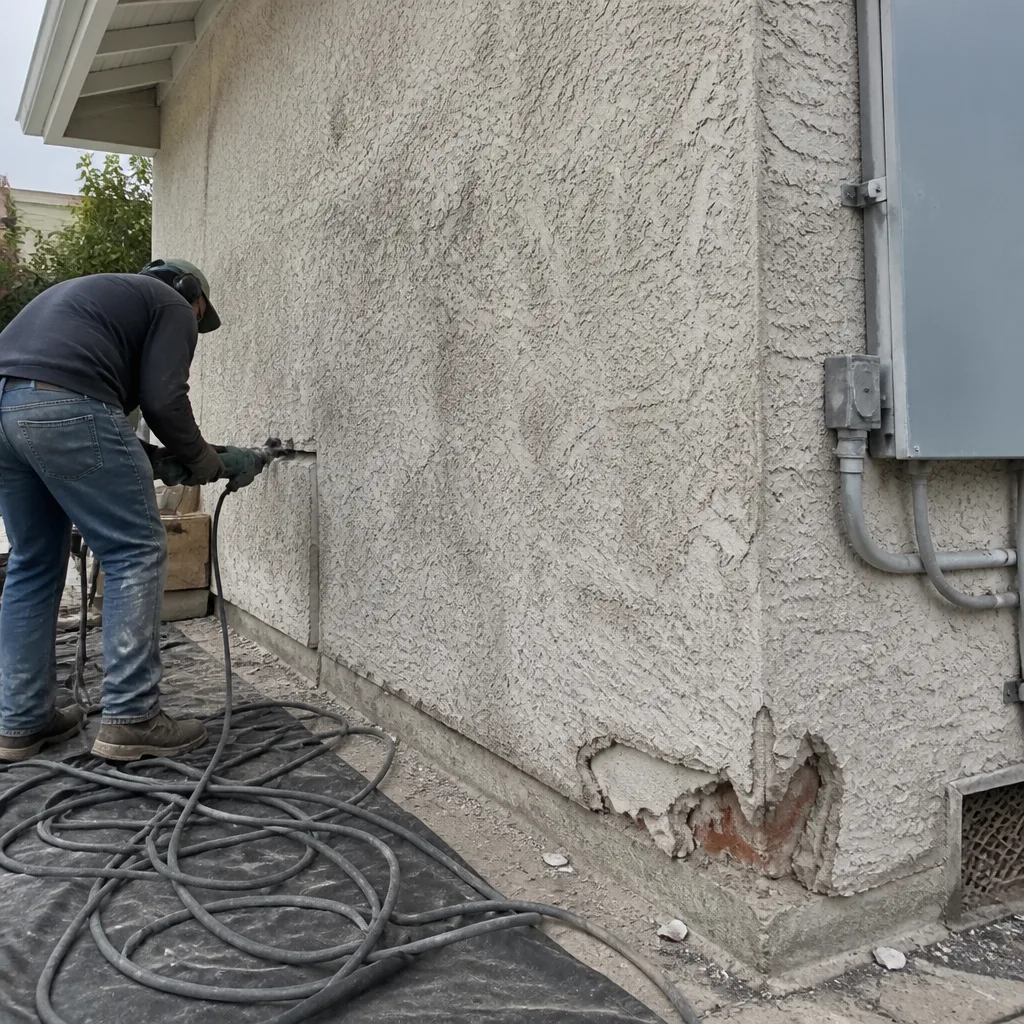 Before
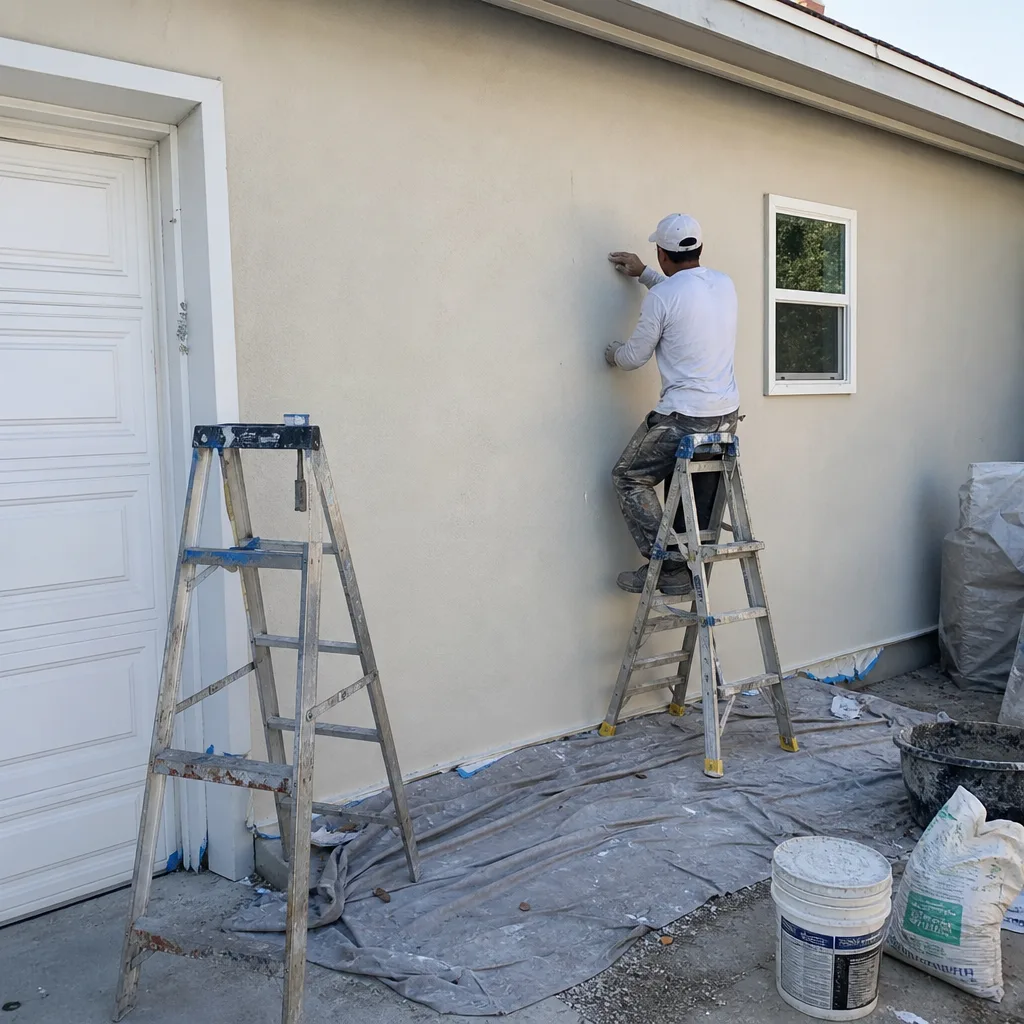 After
AfterDoes Burbank’s Climate Make Radiant Barriers Worth the Cost?
Burbank sits in IECC Climate Zone 3B – a hot-dry designation that means the thermal load problem is almost entirely cooling, not heating. Average summer highs in Burbank run 93-97°F through July and August, with attic temperatures that regularly exceed 140°F on west-facing roof planes. In that environment, a properly installed radiant barrier – foil stapled to the underside of the roof decking, facing an air gap into the attic – can reduce attic radiant heat gain by 40% to 60%.
For context: a home in Magnolia Park with a 1,600 sq ft attic and a single-stage central air system running through a poorly insulated duct system in that attic is losing a significant portion of its cooling capacity before the air ever reaches the living space. The radiant barrier cuts the ambient attic temperature, which reduces the temperature differential the ducts have to fight. That is a concrete, measurable result – not a marketing claim.
The DOE’s Oak Ridge National Laboratory research on radiant barriers in hot-dry climates supports summer cooling bill reductions in the 5-15% range for homes where the HVAC system or ductwork runs through the attic. In Burbank, where those conditions are common, that means payback periods in the 3-6 year range at current electricity rates – shorter if you’re cooling a larger home.
What radiant barriers do not do: they provide minimal benefit for heating loads (Burbank’s winters are mild enough that this is rarely a concern), and they do not replace thermal insulation. A radiant barrier in an attic with R-11 batt insulation is still an attic with R-11 batt insulation. The two products work on different mechanisms and both matter.
Radiant Barrier vs. Added Attic Insulation: Which Cost Is Better Spent in Burbank?
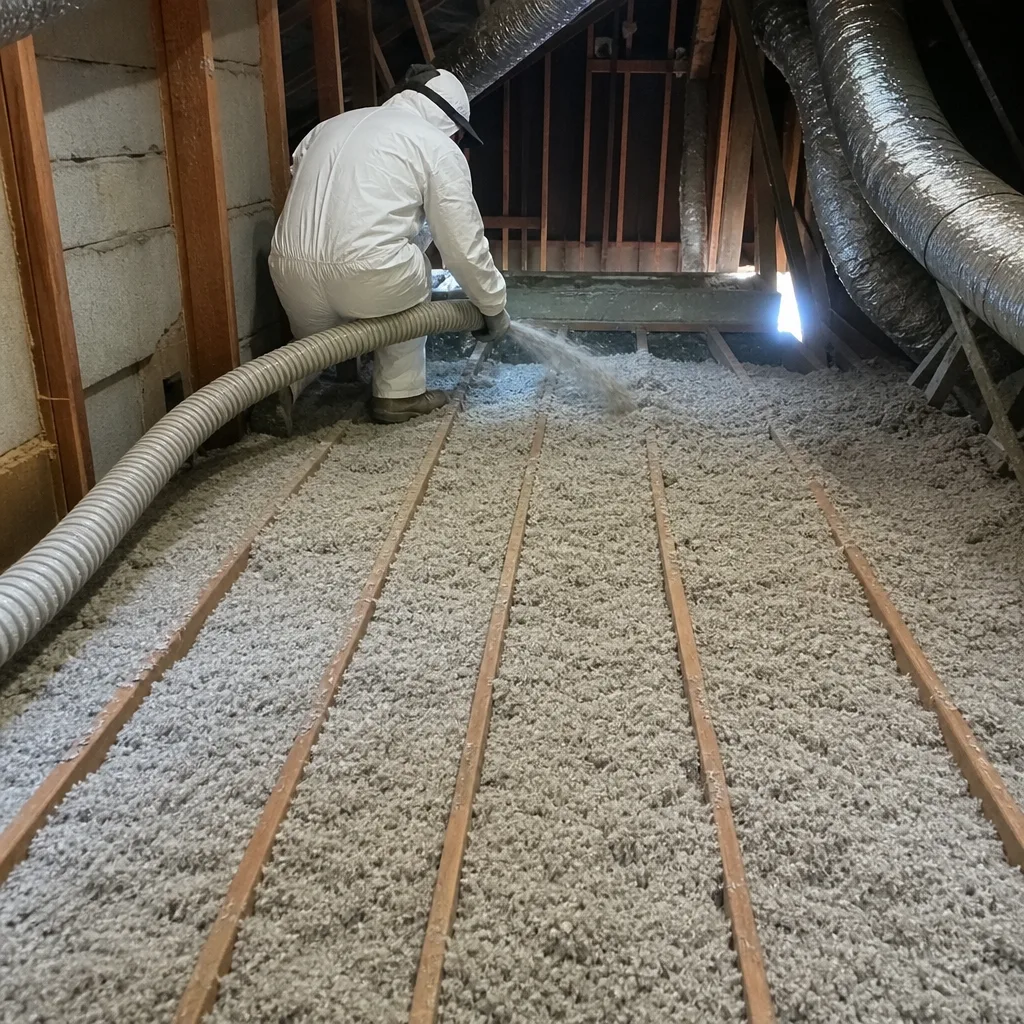
This is one of the most common questions we get from Burbank homeowners who have a fixed budget and are trying to decide where to spend it. The honest answer is: it depends on what your attic already has.
If your attic has R-19 or less in insulation – which describes a lot of pre-1980 Burbank homes – adding insulation to reach R-38 or R-49 will produce a larger energy impact per dollar than a radiant barrier alone. California’s Title 24 energy code requires R-38 in climate zone 3 for new construction; many existing Burbank homes fall well short of that.
If your attic already has adequate insulation (R-38 or better) and your HVAC ductwork runs through the attic, a radiant barrier is often the higher-value next step. The foil reduces the temperature the ductwork is surrounded by, which directly reduces duct heat gain and helps the system deliver conditioned air at the temperature it left the air handler.
The highest-performing combination we see on a blower-door test and an infrared camera in Burbank attics is this sequence: air seal the top plates and penetrations first, then bring insulation up to code minimum, then install radiant barrier. That order matters. Envelope Insulation Co. has operated on a sealed-first-then-insulated workflow since 2016, and Wes Okafor built that sequence into the company’s standard scope because the blower-door numbers showed it consistently outperformed the reverse order.
Permits and Code Requirements for Radiant Barrier Installation in Burbank
Radiant barrier installation in Burbank does not typically require a standalone building permit when the work involves only the foil material and no structural changes to the roof or attic framing. The City of Burbank Building and Safety Division generally classifies this as a non-permitted insulation improvement, similar to blown-in attic insulation.
That said, there are two situations where permit questions arise:
- If the radiant barrier installation is part of a larger project that includes HVAC work, roof replacement, or attic structural modifications, the larger project scope may trigger permit requirements.
- If the home is in one of Burbank’s older historic districts near Olive Avenue or the downtown area, any work affecting the attic in a way visible from the exterior (which is rare for radiant barriers) could involve additional review.
California’s Title 24 Part 6 energy code sets standards for new construction and significant remodels, but replacing or adding insulation in an existing attic – including radiant barriers – generally falls outside the mandatory permit threshold. We recommend confirming with the City of Burbank Building and Safety Division at (818) 238-5220 if you have any doubt specific to your property.
On every job, we provide a documented photo record of the completed installation so you have a record for any future permit-related questions, insurance purposes, or resale documentation. That photo record is not an optional add-on under The Haven Standard – it’s included on every visit.
How to Save on Radiant Barrier Installation in Burbank
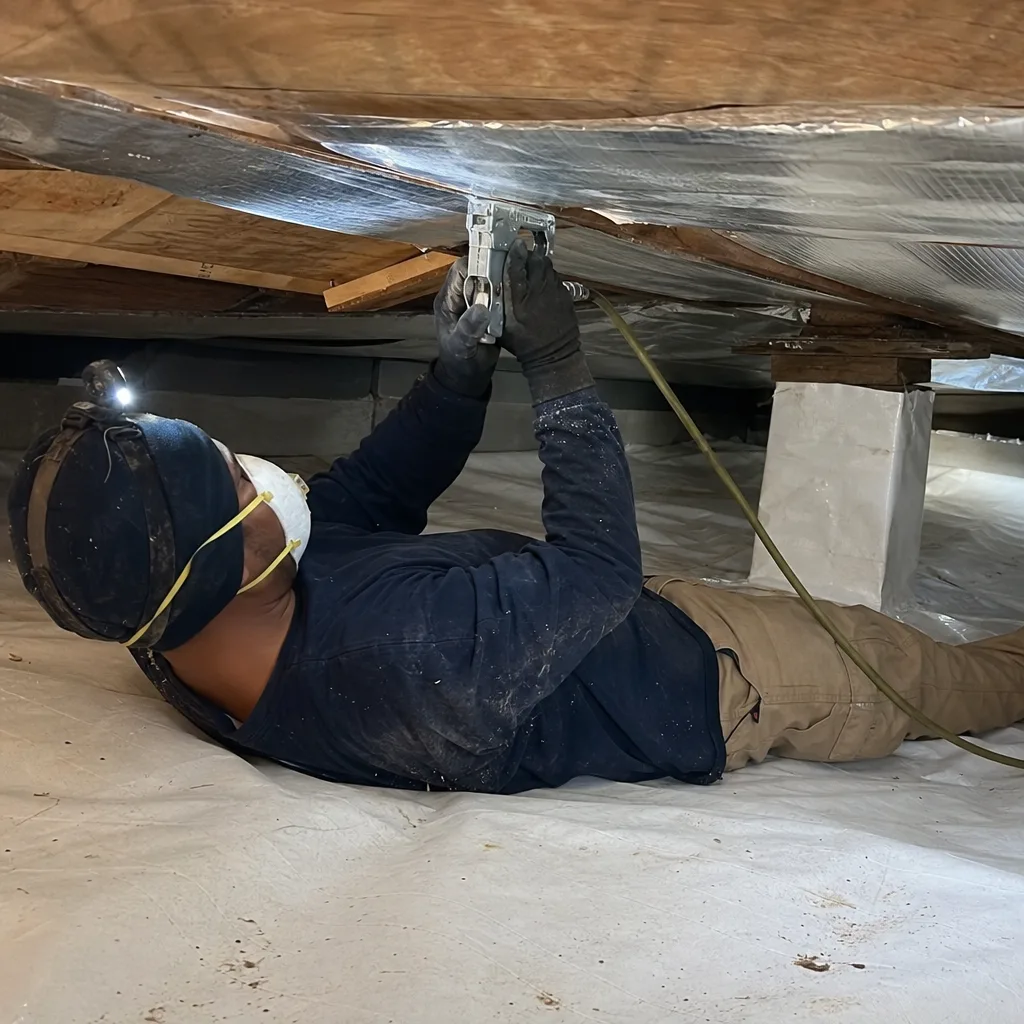
There are practical ways to reduce what you spend without cutting corners on the installation itself. Here’s what actually moves the number.
- Bundle with other attic work: The single largest cost lever available to most Burbank homeowners is scheduling radiant barrier installation at the same time as attic air sealing or insulation work. Mobilization costs – the time to set up, access the attic, and clean up – are absorbed once across both scopes rather than twice. On a typical Burbank job, bundling saves $200 to $500 compared to scheduling each service separately.
- Get a written second opinion on any existing estimate: Under Haven Standard policy, we will read any competing written estimate with you at no charge. If a quote you’ve received is vague on method (staple-up vs. lay-over, square footage basis, foil spec), those details affect both price and performance. Knowing what you’re comparing is not the same as knowing what you’re buying.
- Check for utility rebates before signing anything: Southern California Edison’s Home Energy Improvement Program has historically offered rebates for qualifying insulation upgrades in the SCE territory, which covers Burbank. Rebate availability changes annually and depends on current program funding – confirm directly with SCE before factoring any rebate into your budget. We do not build assumed rebates into our quotes, but we can walk you through what documentation you’d need to support a rebate claim.
- Address attic access before the crew arrives: If your attic has a small scuttle hole rather than a pull-down stair, adding a pull-down stair before the insulation job (or as part of it) reduces per-job access time on every future service call. The stair itself costs $300-$600 installed – but if you’re scheduling multiple attic services over the next five years, you recoup that quickly in reduced labor time.
- Don’t install a radiant barrier before sealing air leaks: This sounds counterintuitive as a cost-saving tip, but it’s real: a radiant barrier installed over an unsealed attic with significant air infiltration around top plates and can lights will underperform its potential. The air leakage defeats a portion of the thermal benefit. Spending $600-$900 on air sealing before or alongside the radiant barrier produces better energy performance from the same radiant barrier investment. That’s why Envelope Insulation Co. treats air sealing as a hard prerequisite – not an optional upgrade – under our standard scope.
To get a flat written price for your specific Burbank home, call (213) 816-1699. The estimate is free and includes a written scope before any work is scheduled.
What a Radiant Barrier Installation Looks Like at Envelope Insulation Co.
Most Burbank homeowners asking about Radiant Barrier Installation services have never watched one installed. Here is what the process looks like from first contact to a closed-out job, under The Haven Standard.
The job starts with a pre-install walkthrough of the attic. We document what’s there with photos: existing insulation depth and type, condition of the attic floor, visible air leaks at top plates and penetrations, ductwork routing, and attic access point. That photo record is yours – it’s part of the documented job file we leave with every customer.
Before any material goes in, you receive a written scope and a flat written price. Wes Okafor built Haven Standard Clause 1 around this specifically because we’ve seen what happens when a homeowner gets a verbal estimate and a different number on the invoice. The written price is the price – period.
Installation involves rolling out foil radiant barrier across the attic, cutting it to fit between rafters, and stapling it to the underside of the roof decking. On a typical 1,600 sq ft Burbank attic with good access, a two-person crew completes this in 4-6 hours. The foil is perimeter-taped at any seams where two sections meet.
On jobs that include attic air sealing, that work happens first – caulk and foam at top plates, around can lights, and at any plumbing or electrical penetrations – before the foil goes in. This is the sealed-first-then-insulated sequence Envelope Insulation Co. has followed since 2016. On applicable jobs, we run a blower-door test – a pressurization measurement that shows, in a single number, how much conditioned air the home was losing before and after the work – so you can see the air-sealing result in writing, not just take our word for it.
When the crew leaves, you have: a completed installation, a documented photo record, the written scope matched against the completed work, and – on applicable jobs – before-and-after blower-door numbers. That’s what leaving looks like. The 365-Day Done Right Promise covers the work from that point forward – if it’s not right, we make it right, in writing.
Key Takeaways
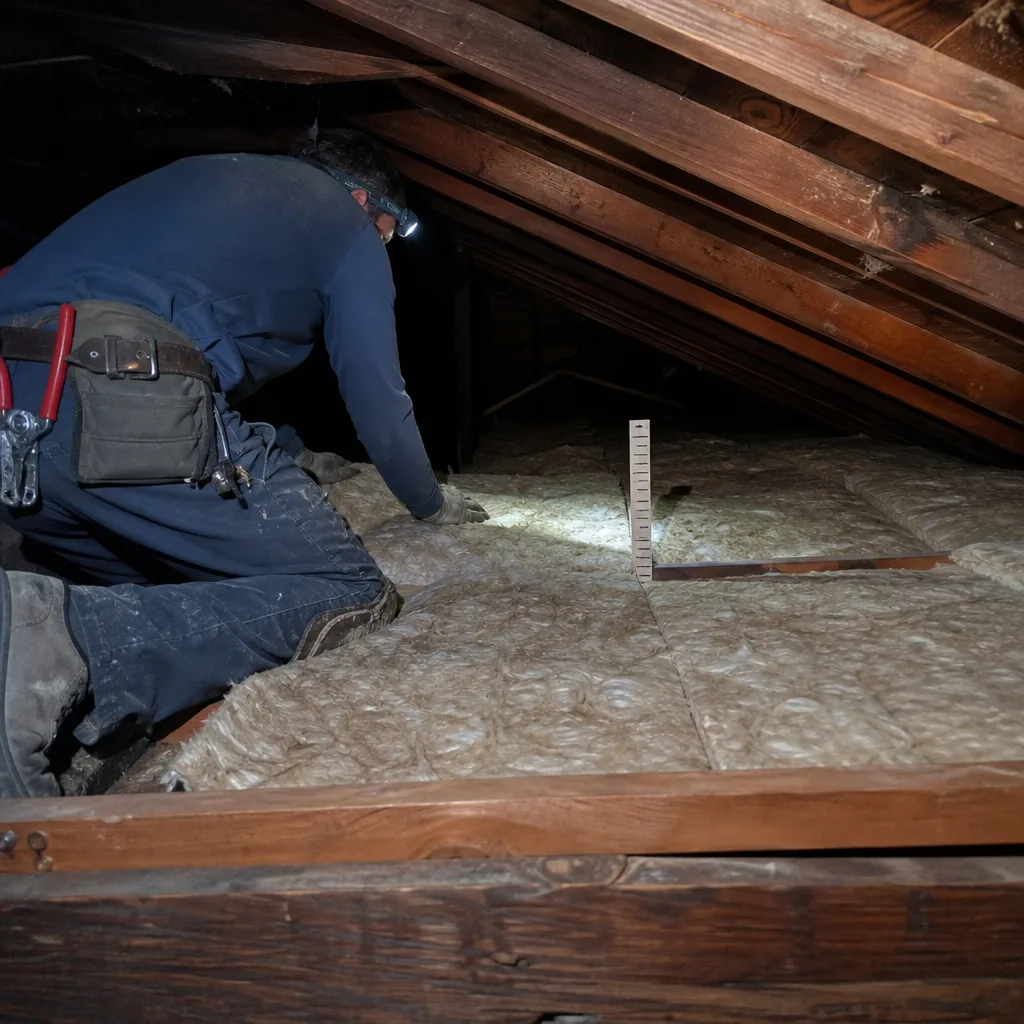
- Radiant barrier installation in Burbank costs $1,400 to $3,200 for most single-family homes, with a typical job landing between $1,800 and $2,400.
- The staple-up rafter method outperforms the attic-floor lay-over method in Burbank’s hot-dry climate and is the approach we default to.
- Attic square footage, access difficulty, roof geometry, and whether air sealing is included are the four factors that move the price most.
- Bundling radiant barrier with attic air sealing or insulation work saves $200-$500 on mobilization costs.
- Burbank does not generally require a permit for radiant barrier installation, but confirm with City of Burbank Building and Safety for your specific property.
- Under Haven Standard Clause 1, you receive a flat written price and written scope before any work begins – no surprises on the invoice.
- The 365-Day Done Right Promise applies to every completed job, with a documented photo record included on every visit.
FAQs – Radiant Barrier Installation Cost in Burbank
How much does radiant barrier installation cost in Burbank, CA?
Radiant barrier installation in Burbank costs between $1,400 and $3,200 for a typical single-family home, with the majority of jobs falling in the $1,800-$2,400 range. The exact number depends on attic square footage, installation method (rafter staple-up or floor lay-over), attic access difficulty, and whether air sealing is included in the same scope. For a flat written price specific to your Burbank home, call (213) 816-1699 – the estimate is free.
Is a radiant barrier worth the cost in Burbank’s climate?
Yes, for most Burbank homes – specifically those with HVAC equipment or ductwork in the attic. In IECC Climate Zone 3B (which covers Burbank), attic temperatures routinely reach 140°F in summer. A properly installed radiant barrier can reduce attic radiant heat gain by 40-60%, which translates to 5-15% cooling bill reductions in homes where the air handler or ducts run through the attic. Payback periods in the 3-6 year range are typical at current Southern California Edison residential rates. The benefit is smaller in homes where the attic has no HVAC equipment.
How long does radiant barrier installation take in a typical Burbank home?
A two-person crew typically completes a 1,400-1,800 sq ft Burbank attic in 4-6 hours using the staple-up rafter method. Larger attics (2,000+ sq ft) or those with limited access points, complex roof geometry, or significant HVAC equipment to work around may take 6-9 hours. If attic air sealing is included in the same scope, add 2-4 hours depending on the number of penetrations. We provide the timeline in the written scope before any work begins.
Can a radiant barrier be added to an attic that already has insulation?
Yes – in most Burbank homes, radiant barrier installation is a retrofit added over existing insulation. If we use the staple-up method (foil on the underside of the roof decking), the existing insulation on the attic floor stays in place and is not disturbed. If the existing insulation is damaged, compressed below code minimums, or contaminated – which we sometimes find in older Burbank homes in neighborhoods like Rancho or Bel Aire – we’ll document that in the pre-job walkthrough and include remediation as a separate line item with its own written price before any work starts. Old or damaged insulation that might be contaminated should be handled by trained professionals, not a DIY project.
Does Burbank require a permit for radiant barrier installation?
Radiant barrier installation in Burbank does not typically require a standalone building permit when the work involves only the foil material and no structural changes. The City of Burbank Building and Safety Division generally classifies this as a non-permitted insulation improvement. However, if the radiant barrier work is part of a larger project involving HVAC changes, roof work, or structural modifications, the broader project may trigger permit requirements. Confirm directly with the City of Burbank Building and Safety Division at (818) 238-5220 for your specific property and project scope.
What is the difference between a radiant barrier and attic insulation – do I need both?
They work on different heat transfer mechanisms. Radiant barriers reflect radiant heat – electromagnetic energy traveling from the hot roof decking toward cooler surfaces in the attic. Thermal insulation (fiberglass, cellulose, spray foam) slows conductive heat transfer – the movement of heat through materials. In Burbank’s climate, you need both. A radiant barrier in an attic with inadequate insulation still has inadequate insulation; adding a radiant barrier to a well-insulated attic addresses the radiant load the insulation doesn’t. The most cost-effective approach is to bring insulation to at least R-38 (California Title 24 code minimum for Climate Zone 3) and then add a radiant barrier, with attic air sealing completed first. We can walk you through what your specific attic needs before any price is committed.
Envelope Insulation Co., operating as home base for the Topside Attic Insulation Burbank team, has completed more than 9,000 sealed and insulated jobs across the greater Los Angeles area since 2016, each with a written price before work started and a documented photo record when the crew left. If you have a competing written estimate for radiant barrier installation in Burbank, bring it – we will read it with you at no charge under our Free Second Opinion policy.
To get a flat written estimate for your Burbank home, call (213) 816-1699. A live person answers – no voicemail, no callback window. The estimate is free, the price is written, and no work starts until you have both.
Pricing reflects the Burbank market as of 2026. Topside Attic Insulation Burbank offers free estimates – call (213) 816-1699.
Written by Wes Okafor, Owner at Envelope Insulation Co., serving Burbank, CA since 2016.
What Our Customers Say
"Two other companies quoted to blow more insulation on top of what was there. These were the only ones who said the existing material had to come out first, and explained why."
- Clifford E."Crawl space encapsulation done properly. Photographs of the vapour barrier at every seam, and the damp smell in the hallway is gone."
- Ainsley P."They photographed rodent damage in the old insulation that we had no idea about, and priced the exclusion work separately so we could decide."
- Harriet N.