
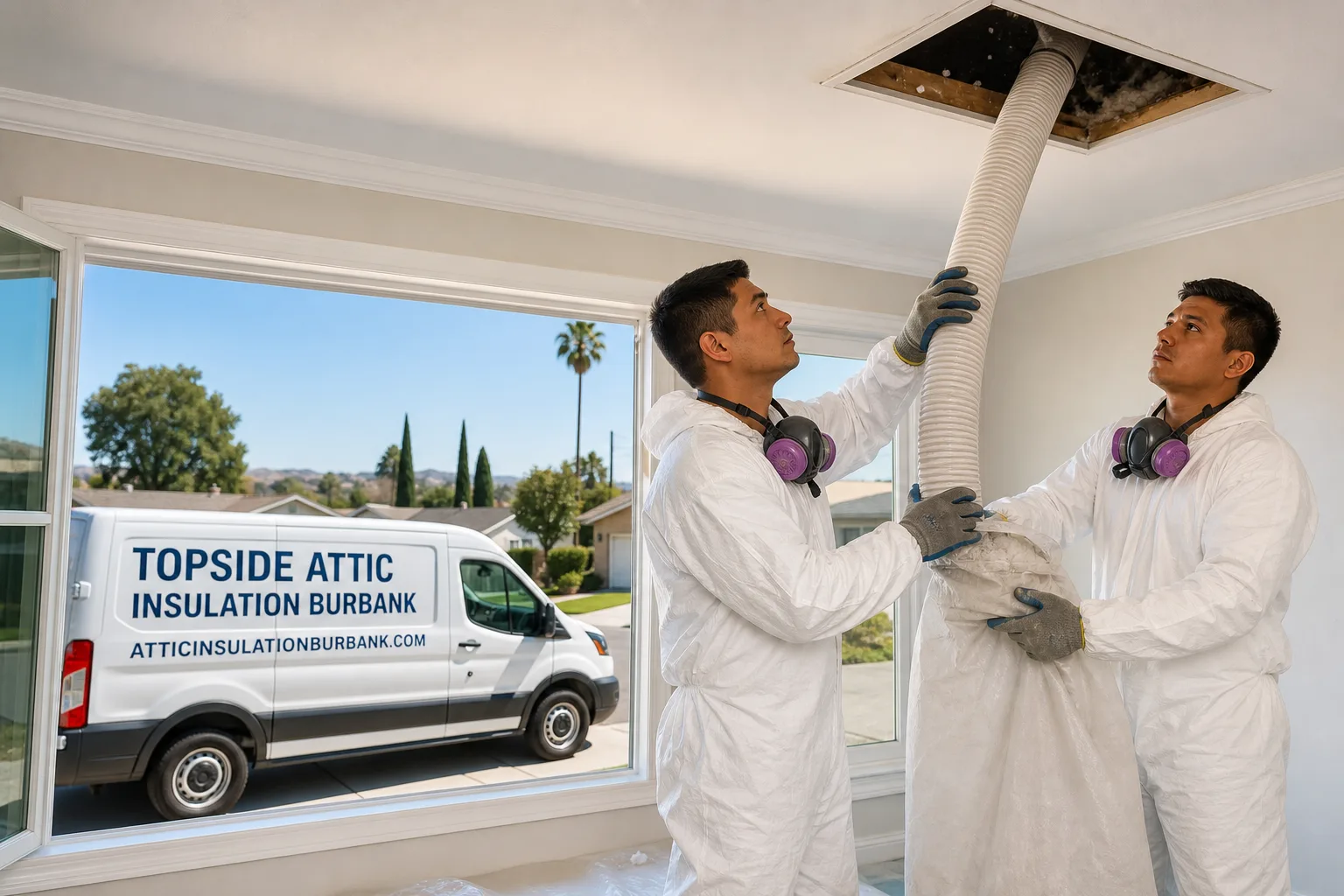
Fast, Reliable Blown-In Insulation Across San Fernando
Most blown-in insulation jobs in San Fernando run $1,800-$4,200 for a typical attic, with same-day estimates available and crews usually on-site within 24-48 hours. We’re familiar with the city’s pre-1970s bungalow stock, the post-1971 Sylmar earthquake repair history that left so many attics compromised, and the inland heat-trap conditions that make proper insulation critical here. Our Blown-In Insulation team dispatches from our Los Angeles office and serves San Fernando locally - call (213) 816-1699 for a written price before any work starts.
Why Topside Attic Insulation Burbank Is San Fernando’s Preferred Blown-In Insulation Company
We’ve worked enough San Fernando attics to know what the blower-door test typically reveals in a 1950s stucco bungalow versus a 1960s tract home. That specificity shows up in our written scopes - and in the before-and-after documentation homeowners receive.
Our reviews from San Fernando customers consistently mention two things: the crew showed up with a written price already in hand, and the photo record made the work easy to verify. We don’t ask anyone to take our word for it.
Response time to San Fernando averages same-day or next-day for estimates, with most installations scheduled within a week. The city’s compact footprint helps - under 2.5 square miles means we’re never far from Maclay Avenue, San Fernando Road, or the neighborhoods tucked against the foothills.
Local knowledge matters here because San Fernando’s housing problems aren’t generic. Post-earthquake ceiling patches, compacted legacy insulation, and wall cavities that were never insulated in the first place - these require diagnosis before any material goes in. We air-seal first, then insulate. In that order. Always.
Our Blown-In Insulation Services in San Fernando
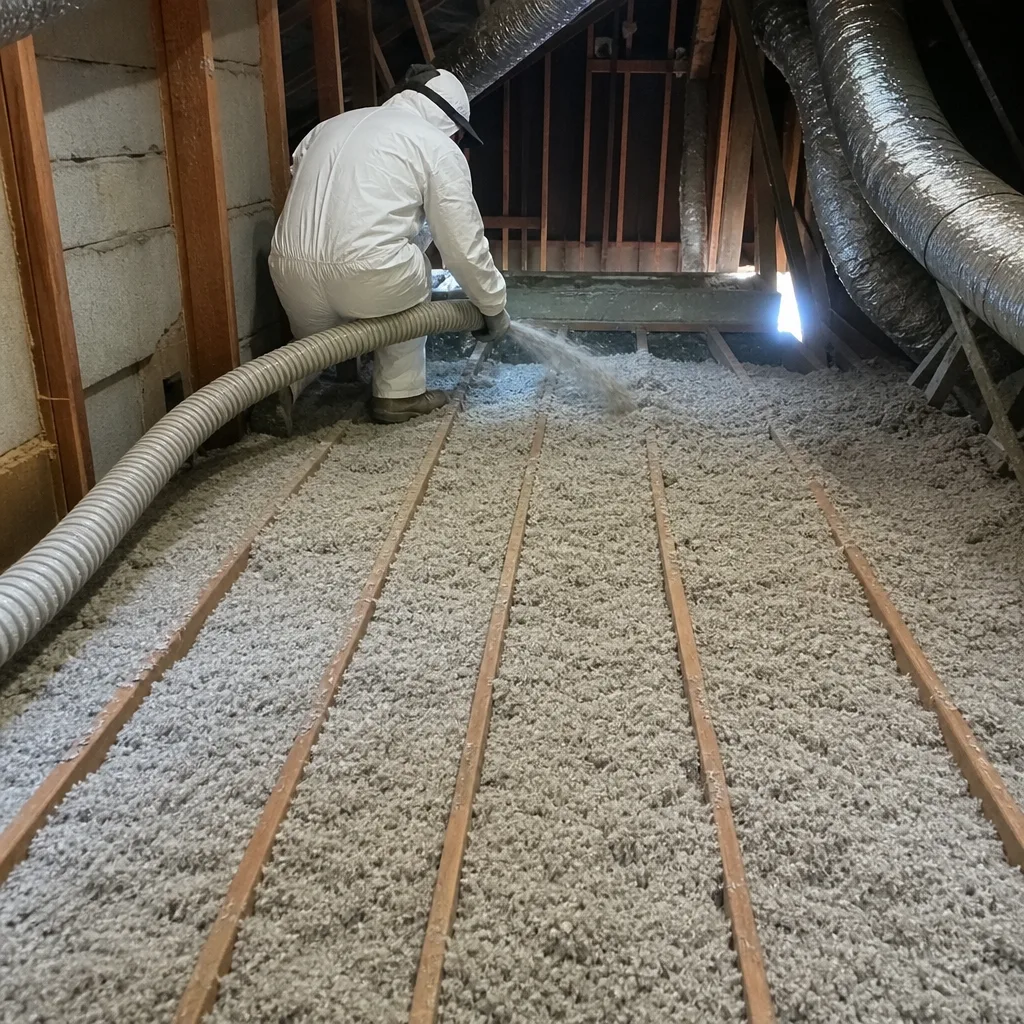
Blown-In Cellulose
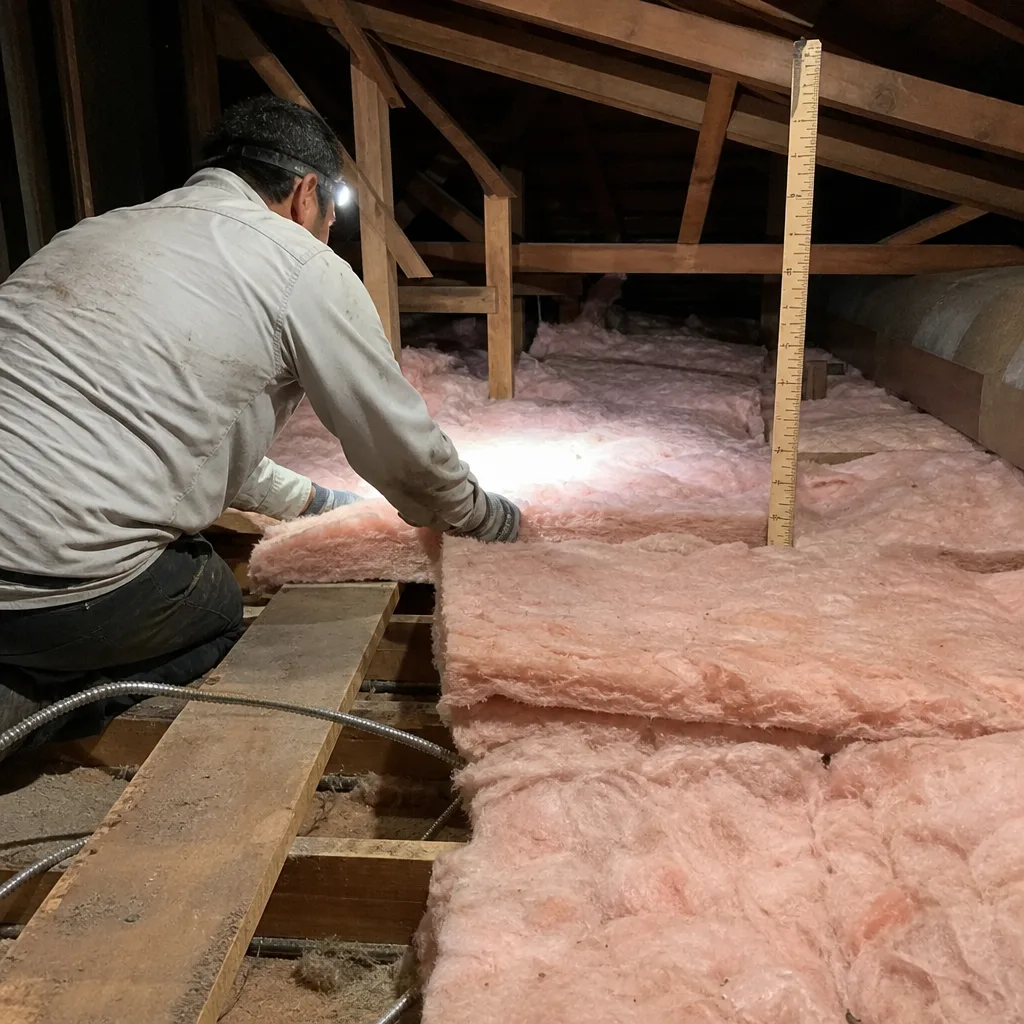
Blown-in cellulose - made from recycled paper treated with borate fire retardant - performs exceptionally well in San Fernando’s temperature swing. We typically specify GreenFiber cellulose for local jobs because it handles the valley’s 105°F+ summer afternoons and upper-30s winter nights without the settling issues that plague older fiberglass installations. On a 1950s stucco bungalow off Maclay Avenue, our crew pulled attic readings and found the post-1971 blown material had compacted to roughly R-5, sitting over an unsealed earthquake-era ceiling patch with daylight visible at the seam. We air-sealed the patch, dense-packed the original uninsulated wall cavities with GreenFiber cellulose, then topped the attic to current Title 24 levels - the homeowner reported the 105°F+ afternoon heat no longer drove the AC into constant run. Cellulose also fills irregular joist bays and partial obstructions better than fiberglass batts, which matters in San Fernando’s older attics where framing isn’t always standard.
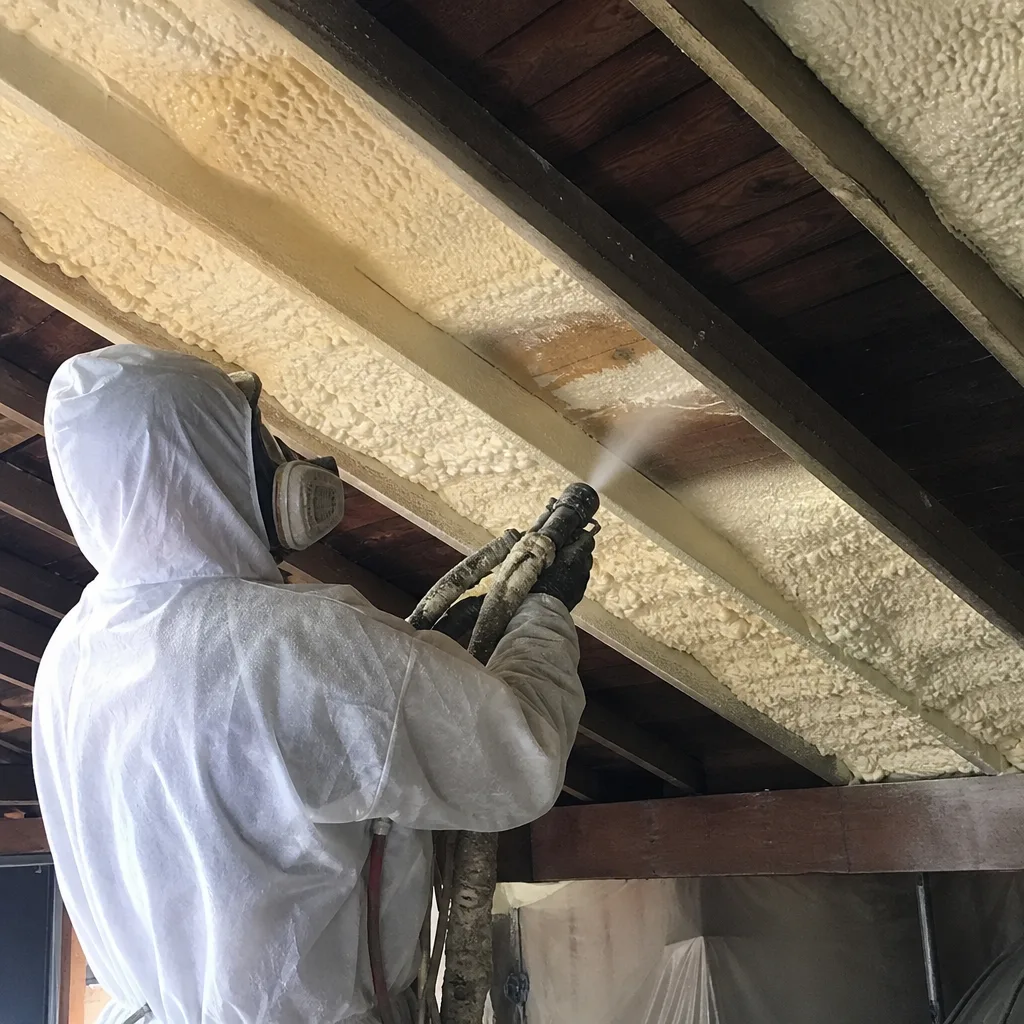
Blown-In Fiberglass
For homeowners who prefer synthetic material, blown-in fiberglass from Owens Corning or Johns Manville offers consistent R-value per inch and doesn’t absorb moisture. In San Fernando’s dry climate, that’s less of a concern than in coastal zones, but fiberglass still suits certain applications - especially attics with active knob-and-tube wiring where cellulose’s borates, while safe, make some electricians cautious. We stock both materials and specify based on what we find during the initial inspection, not what we happen to have on the truck.
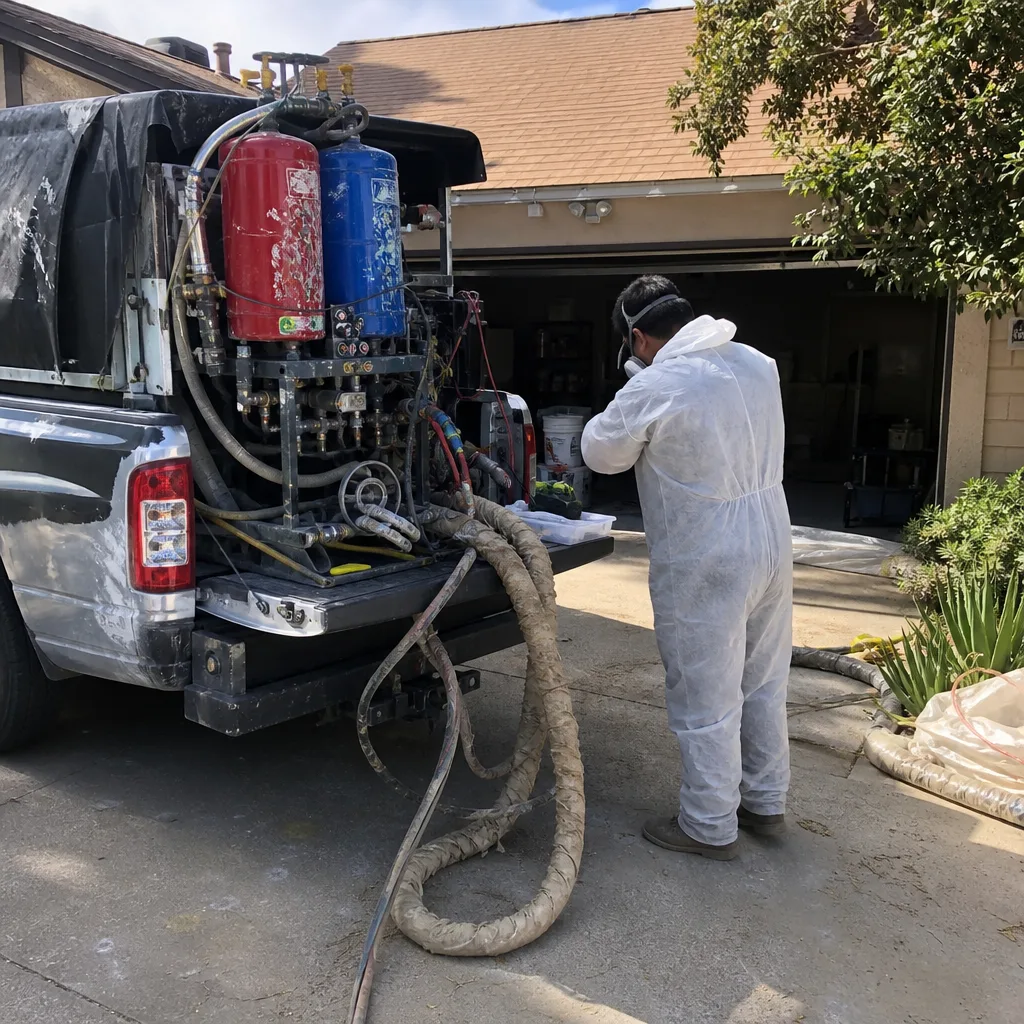
Dense-Pack Wall Insulation
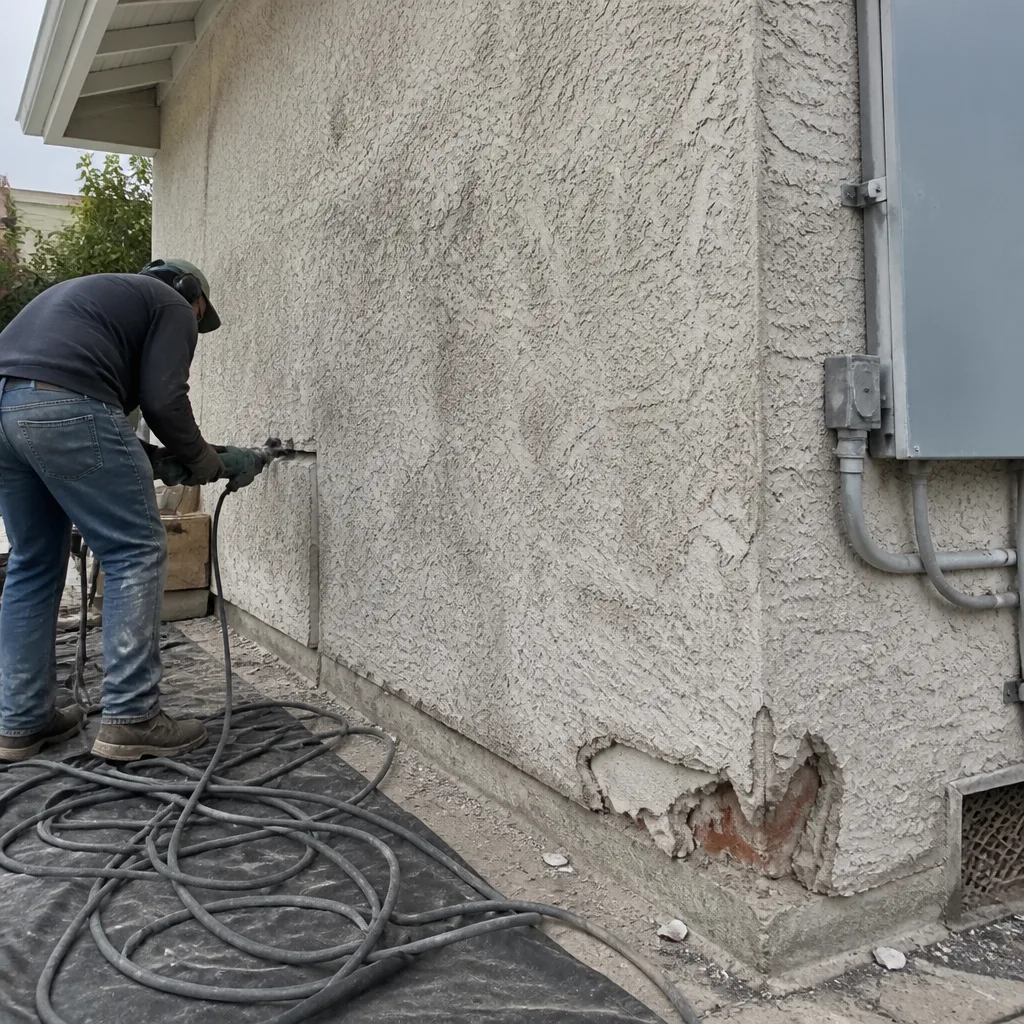
This is where San Fernando’s housing stock most often needs help. Original 1940s-1960s stucco-over-wood-frame walls were built with little to no cavity insulation. Dense-packing - blowing cellulose at high pressure into closed wall cavities through drilled access holes - is the only retrofit method that achieves full contact with framing members and eliminates convection loops. We dense-pack with GreenFiber cellulose at 3.5-3.8 pounds per cubic foot, the density that prevents settling in vertical cavities. For San Fernando’s small-footprint homes, this upgrade often delivers more comfort per dollar than attic work alone, especially on east and west walls that bake during summer afternoons.
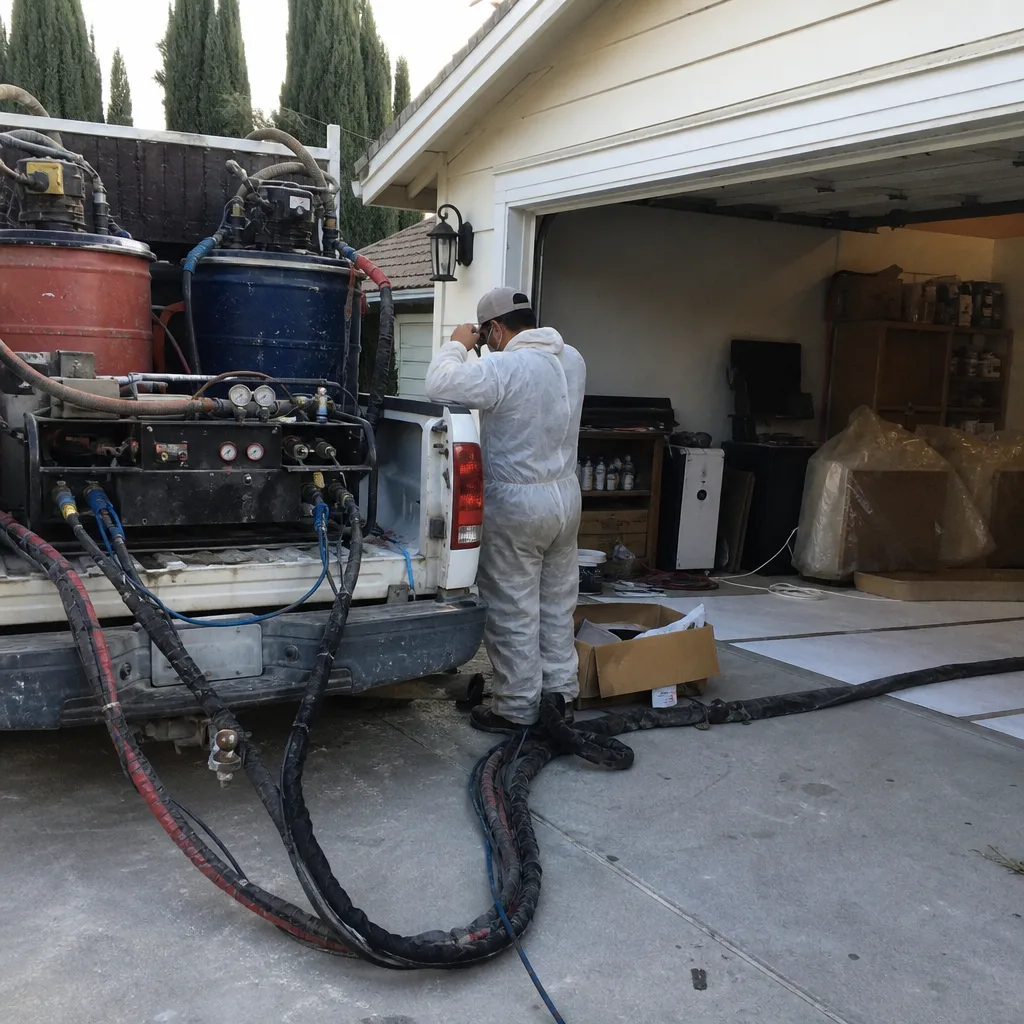
Blown-In Top-Up
Top-ups sound simple. In San Fernando, they’re often not. Contractors working older blocks near Maclay Avenue and the downtown core frequently find attic insulation that was blown in post-1971 but never re-inspected - it has compacted to R-5 or less and in some cases was installed over unsealed earthquake-era ceiling patches, leaving major thermal bypasses that defeat the whole assembly. We won’t blow new material over that. We inspect, air-seal, document, then top up to current Title 24 levels - typically R-38 to R-49 for San Fernando’s climate zone. The homeowner gets photos of the before condition, the blower-door reading, and the completed work.
What happens when you call
- 1
A real person answersNo phone trees - you reach a local pro.
- 2
You get an upfront price rangeHonest numbers before anyone is dispatched.
- 3
A background-checked tech heads outLicensed & insured, dispatched right away.
- 4
You approve before work beginsNothing starts until you say go.
 Before
 After
AfterTrusted Brands We Service in San Fernando
We source blown-in materials from Owens Corning, Johns Manville, Knauf, and GreenFiber - no proprietary lock-in, no mystery products. For San Fernando customers, this means fast turnaround on specified materials and the ability to match existing insulation when partial repairs are needed. We don’t claim exclusive status with any manufacturer; we specify based on the job’s requirements and publish what we used in the documented record. If you have a preference, we’ll note it in the written scope before work starts.
Common Blown-In Insulation Problems We See in San Fernando Homes
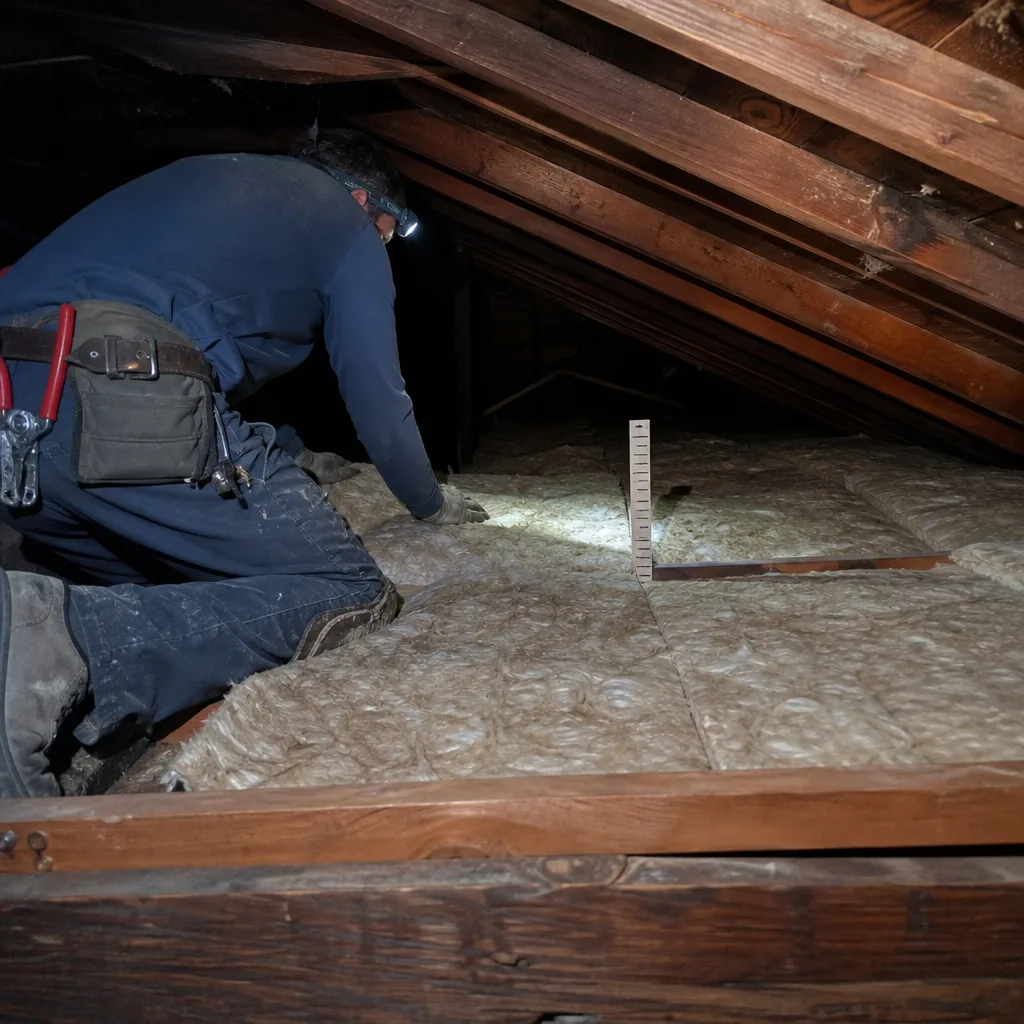
- Post-1971 Sylmar earthquake ceiling repairs were never re-insulated. Blown-in material sits over unsealed patches and thermal bypasses defeat the assembly. We find this regularly on older blocks near Maclay Avenue - daylight visible at ceiling seams, conditioned air leaking directly into the attic.
- Original 1940s-1960s stucco-over-wood-frame walls were built with little to no cavity insulation. Dense-pack retrofit is the only real fix. Surface temperature differentials on exterior walls often hit 15-20°F in summer without it.
- Legacy blown-in material has compacted to R-5 or less and was never re-inspected. Especially common on older blocks near Maclay Avenue and the downtown core. What was adequate in 1975 is now a thermal liability.
- San Fernando’s inland heat trap creates larger annual temperature swings than coastal LA cities. Attic and wall insulation must perform in both directions - summer rejection and winter retention - making proper depth and air sealing more critical here than in marine-influenced zones.
Pricing for Blown-In Insulation in San Fernando, CA
A typical blown-in cellulose attic job in San Fernando runs $1,800-$3,400 for a 1,000-square-foot attic at R-38, including air sealing of top plates, can lights, and penetrations. Dense-pack wall insulation for a 1,200-square-foot bungalow runs $2,400-$4,200 depending on cavity depth and access difficulty. Blown-in top-ups where existing material can stay start around $1,200 but only after we verify the substrate isn’t hiding unsealed bypasses.
What moves the number: attic accessibility (steep roof pitch or limited hatch size), presence of active wiring that needs electrician coordination, and the extent of air sealing required before insulation goes in. We don’t quote over the phone without photos or a site visit - but we do provide a written price before any work starts, every time, with no obligation. Free estimates. Free second opinion on any competing written quote. Call (213) 816-1699 to schedule.
We Also Serve Cities Near San Fernando
Our crews work throughout the San Fernando Valley and surrounding metro area, including San Fernando, Burbank, Glendale, West Hollywood, and Beverly Hills. Same written-price standard, same documented photo record, same 365-Day Done Right Promise - regardless of zip code.
Serving San Fernando, CA - Our Local Coverage Area
We’re based in the San Fernando area and know this community well. Use the map below to see our service coverage - if you’re nearby, we can almost certainly help.
FAQs - Blown-In Insulation in San Fernando
Yes, frequently. Post-1971 ceiling repairs in San Fernando were often completed without re-insulating the patched areas, leaving thermal bypasses that defeat any insulation installed over them. We inspect for this condition during every estimate and air-seal before adding material. Call (213) 816-1699 for a free inspection - estimates are free.
San Fernando’s inland valley location creates a much larger annual temperature swing than coastal cities - 105°F+ summer afternoons and winter nights in the upper 30s - while the lack of marine layer means no afternoon cooling relief. Insulation must perform in both directions here, making proper depth, material selection, and air sealing more critical than in moderate coastal zones. Call (213) 816-1699 to discuss what your home specifically needs.
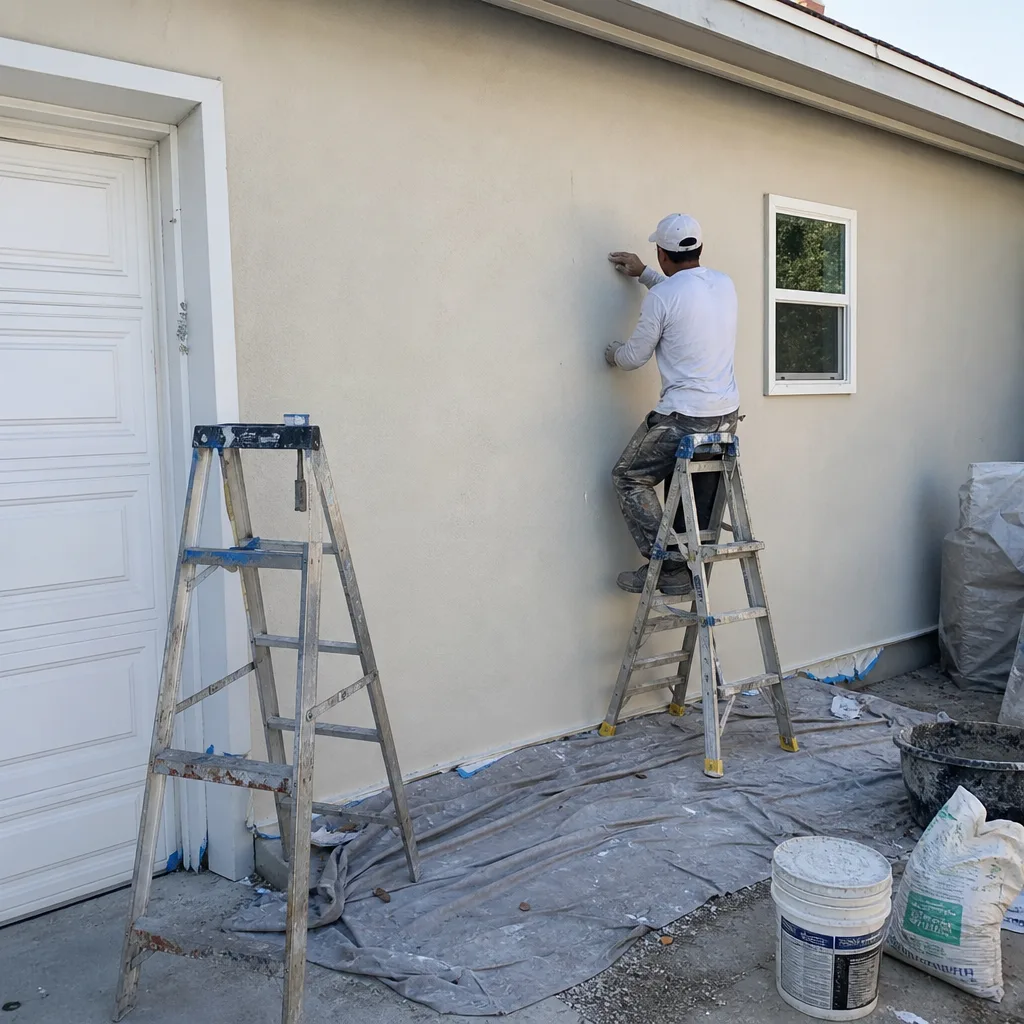
Yes, and it’s often the most impactful upgrade for these homes. Original construction typically left wall cavities empty; we access them through discrete interior or exterior holes, dense-pack with cellulose at 3.5+ pounds per cubic foot, and patch the access points to match. The homeowner receives before-and-after photos and a written scope documenting cavity coverage. Call (213) 816-1699 for a written price.
Only if the existing material isn’t hiding unsealed bypasses, compacted legacy insulation, or post-earthquake ceiling patches - all common in San Fernando’s older housing stock. We inspect before recommending a top-up; if we find compromised substrate, we document it and provide a scope that addresses the root condition. Call (213) 816-1699 for an honest assessment - estimates are free.
We typically specify GreenFiber cellulose for San Fernando jobs because it handles both summer heat rejection and winter heat retention effectively, fills irregular cavities completely, and resists settling when installed at proper density. For specific applications - active knob-and-tube wiring, for example - we may specify Owens Corning or Johns Manville fiberglass instead. The written scope always names the exact material and why it was chosen. Call (213) 816-1699 to review options for your home.
Written by Wes Okafor, Owner at Topside Attic Insulation Burbank, serving San Fernando since 2016.