
Blown-In Attic Insulation in Burbank, CA
Blown-in attic insulation is a loose-fill material – cellulose or fiberglass – machine-blown into your attic to fill gaps, cover joists, and bring your thermal resistance up to current California Title 24 standards. Most Burbank homes built before 1990 are running R-11 to R-19 in the attic; the current recommended level here is R-38 to R-60. That gap is why rooms above attic spaces feel warm in July even with the AC running.
At Topside Attic Insulation Burbank, we handle blown-in work a specific way: air sealing happens first, on every job, before the blower turns on. That’s not a standard practice in this industry – plenty of contractors skip it entirely – but it’s the only approach that produces a result worth documenting. Call us at (213) 816-1699 and we’ll walk you through what we found the last time we worked in your neighborhood, no appointment required to have that conversation.
This page covers the blown-in process specifically. If you want the broader picture of what’s involved in a full Attic Insulation in Burbank project, that page covers material comparisons, removal and replacement, and how we scope a job from first visit to final photo record.
When You Need Blown-In Attic Insulation
Not every Burbank home needs blown-in insulation, but quite a few do. Here are the situations where it’s usually the right call.
- Your existing insulation is flat, settled, or patchy. Fiberglass batts compress over time. If you can see the tops of your attic joists, the insulation between them has settled below an effective R-value – often to R-11 or less. Blown-in cellulose or fiberglass can be added over existing batts without removing them, as long as those batts aren’t wet or molded.
- Your energy bills are high relative to similar homes in Burbank. During a Burbank summer, a well-insulated attic keeps radiant heat from migrating into living spaces. If your HVAC is running in short, frequent cycles or struggling to hold temperature in rooms directly below the attic, thin insulation is a common cause.
- Your home was built between 1950 and 1985. A large share of Burbank’s residential stock in Magnolia Park, Toluca Lake, and the Rancho districts was built in this era. Original insulation – if present at all – was typically R-11 batts that have now been compressed for 40-plus years.
- You have an irregular attic floor with lots of penetrations. Recessed can lights, HVAC boots, plumbing stacks, and wiring runs create gaps that cut batts can’t fill. Blown-in material conforms around obstructions and fills voids that a batt would bridge over, leaving cold spots.
- You’re preparing a home for sale or a Title 24 compliance check. California requires attic insulation disclosure on home sales. Bringing the attic up to R-38 minimum before listing avoids renegotiation and, in many cases, qualifies for a utility rebate through SoCal Edison or LADWP if the home is in the service area.
- Rodent activity has compromised your current insulation. Burbank’s older attics – especially in the hillside areas near the Verdugo Mountains – see regular rodent intrusion. Contaminated insulation has to come out before new material goes in. Once the attic is cleaned and sealed, blown-in cellulose or fiberglass goes back in efficiently across irregular surfaces.
Our Blown-In Attic Insulation Process
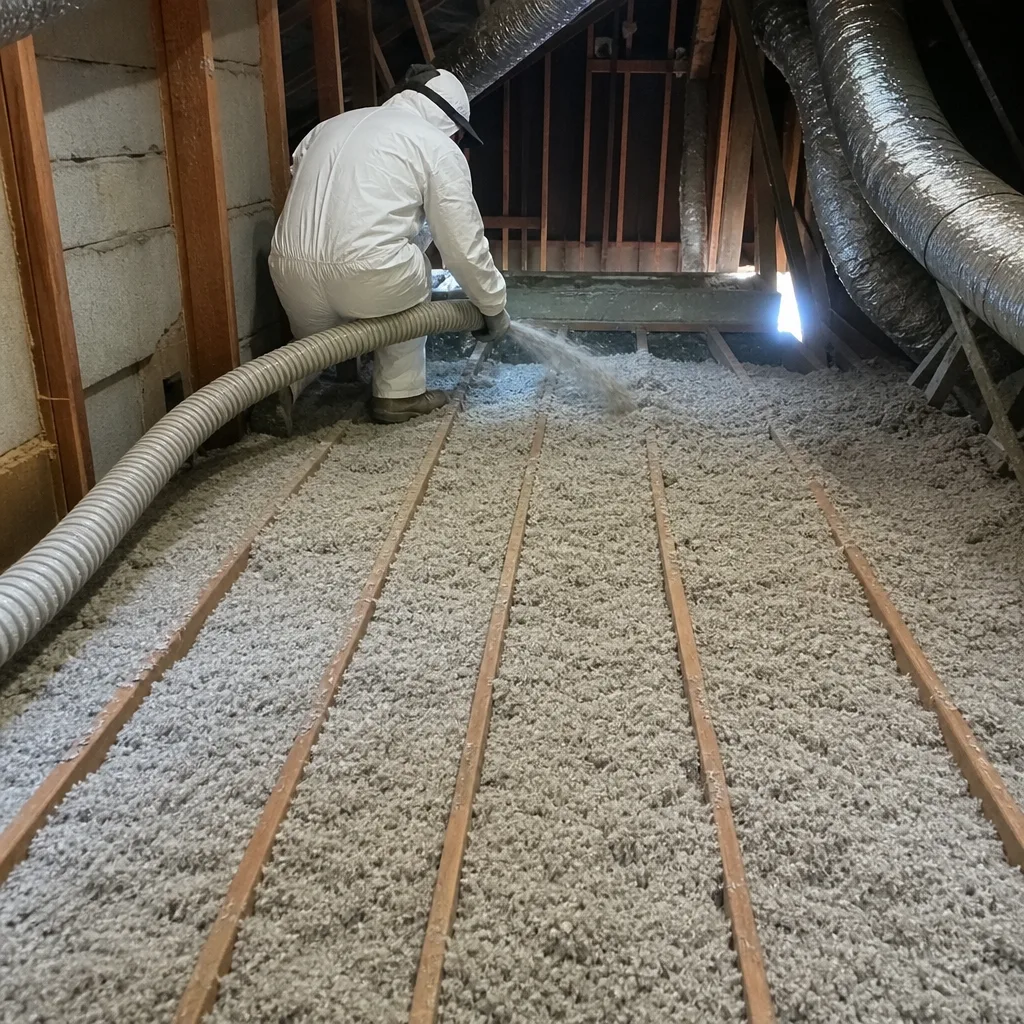
Here’s exactly what happens on a Topside job, in sequence. Nothing starts until you have a written price in your hand – that’s Haven Standard Clause 1, and it applies to every job we do.
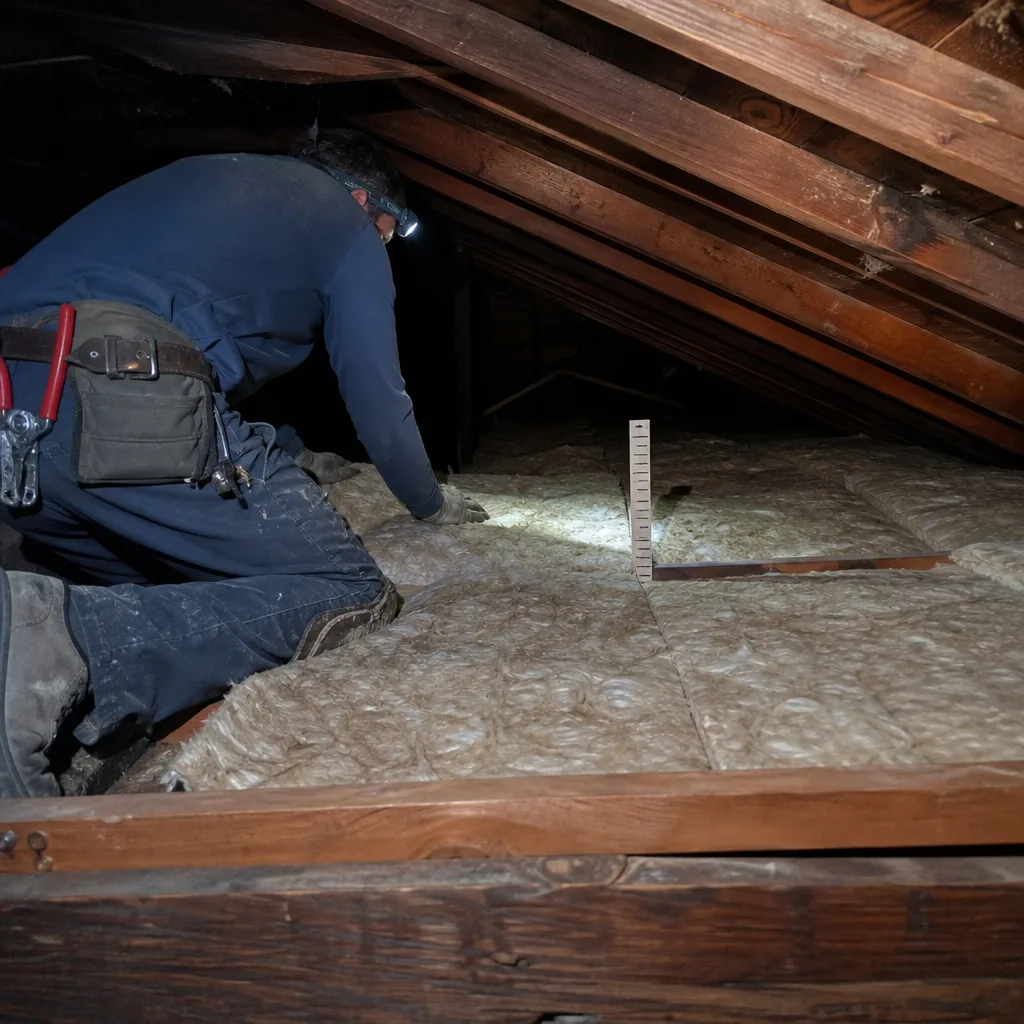
- Written scope before anyone lifts a tool. We measure the attic square footage, assess current R-value with a probe, note the penetration count, and write a flat price. You get the scope in writing before we schedule the crew. No surprises on billing day.
- Blower-door baseline reading. Before any insulation work begins, we run a blower-door test – a pressurization measurement that captures, in a single CFM50 figure, how much conditioned air the home’s envelope is losing. This is the before number. In Burbank homes we’ve tested in the Chandler Estates and Rancho area, pre-sealing readings commonly come in between 3,800 and 5,500 CFM50 on mid-century ranches.
- Attic air sealing – completed before any insulation is added. We seal top plates (the framing gaps where interior walls meet the attic floor), recessed can lights, HVAC boot connections, and any visible penetrations with fire-rated caulk or spray foam, depending on the gap size. This step is not optional and it’s not an upsell. Blown-in insulation over an unsealed attic floor slows heat transfer but does nothing for air infiltration – the two problems are different and both have to be addressed.
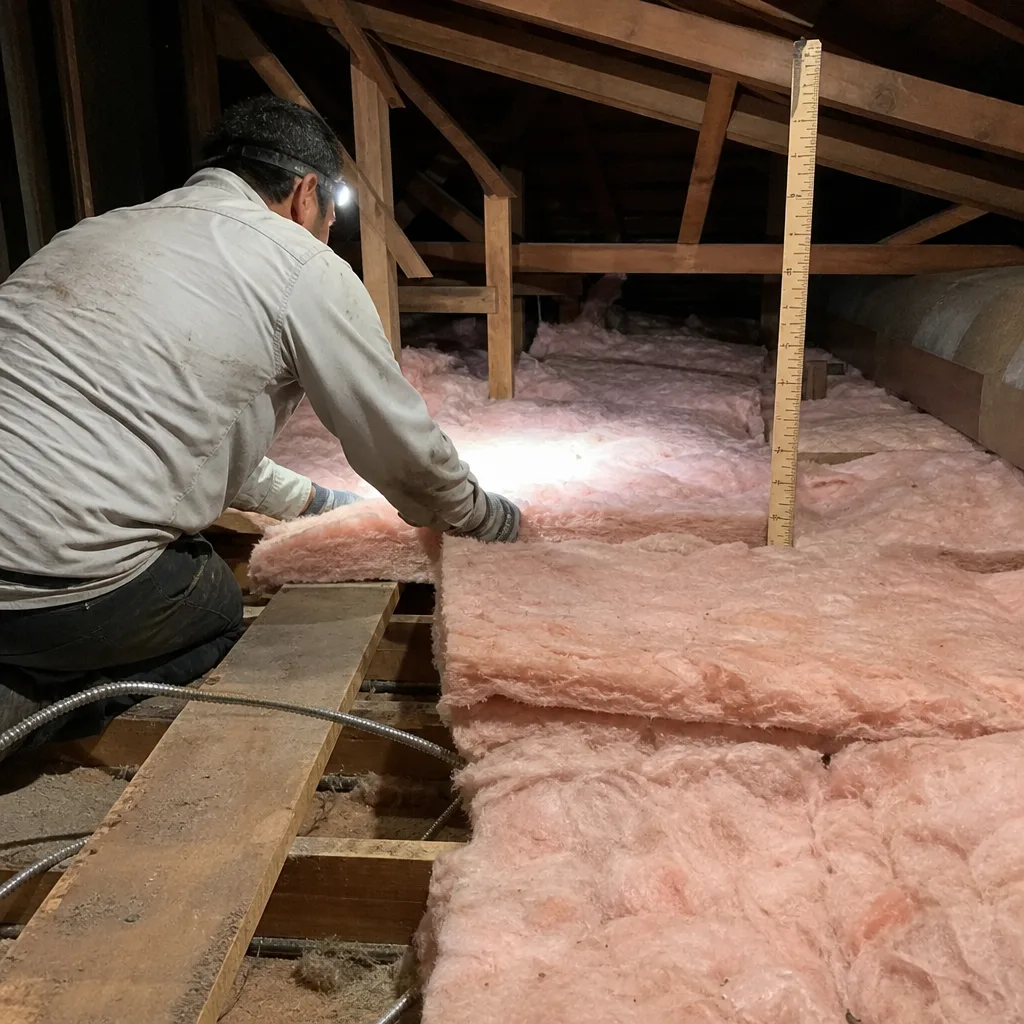
- Blown-in installation to specified depth. We install depth markers across the attic floor before the blower starts – these are the small plastic rulers that confirm final depth during inspection. Material is blown to the depth required for the specified R-value: R-38 requires approximately 12 to 13 inches of blown cellulose; R-49 requires approximately 16 to 17 inches. We use GreenFiber cellulose and Owens Corning AttiCat fiberglass depending on the job conditions and customer preference – no proprietary lock-in, no single material pushed for margin reasons.
- Post-installation blower-door reading. After the insulation is in and the attic access is resealed, we run the blower-door test a second time. The after number is what you paid for. We publish both figures on your job record. A result like 5,200 CFM50 before and 2,600 CFM50 after tells you, in plain terms, that we cut the home’s air leakage by roughly half.
- Documented photo record and written warranty delivered before we leave. Every visit closes with a documented photo record – attic floor before and after, depth markers in frame, sealed penetrations photographed individually. The 365-Day Done Right Promise is in writing on your warranty document. If anything isn’t right within the first year, we make it right. That’s not a feeling; it’s a clause.
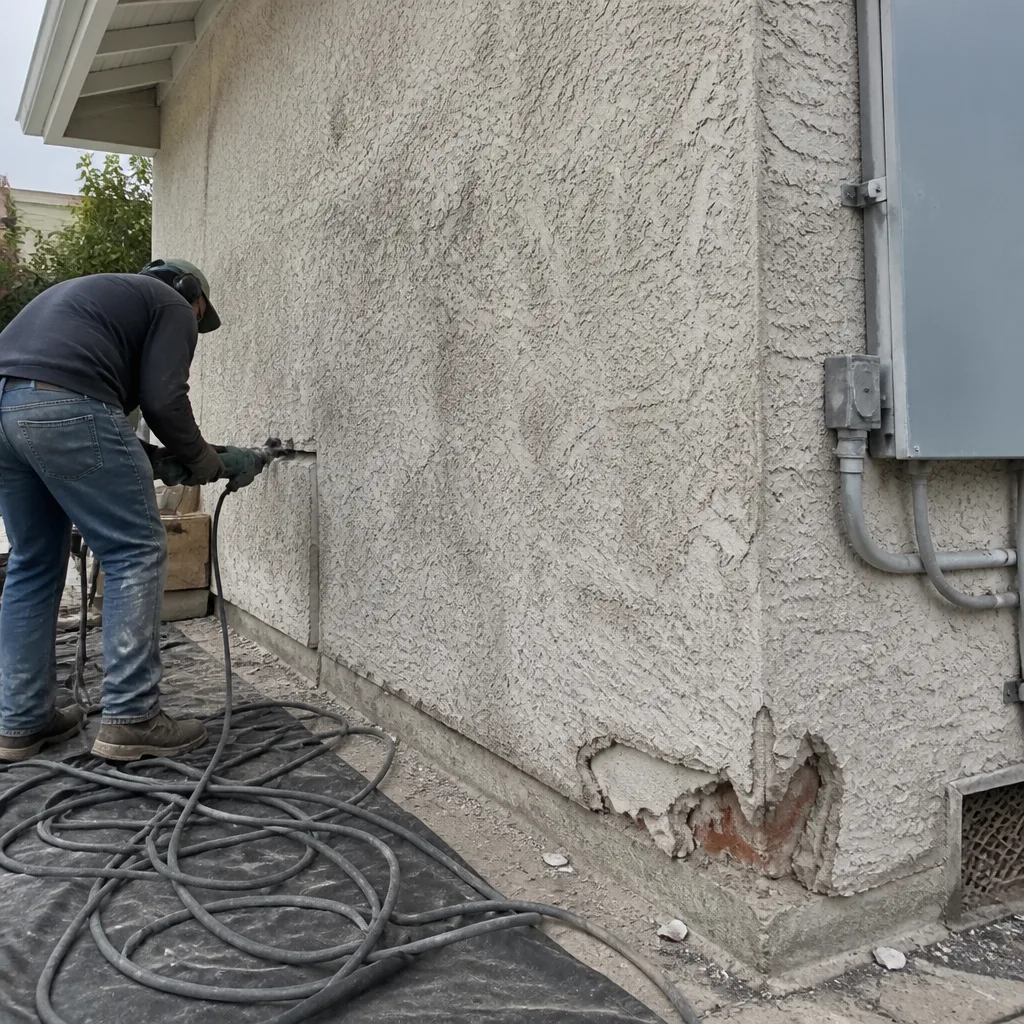 Before
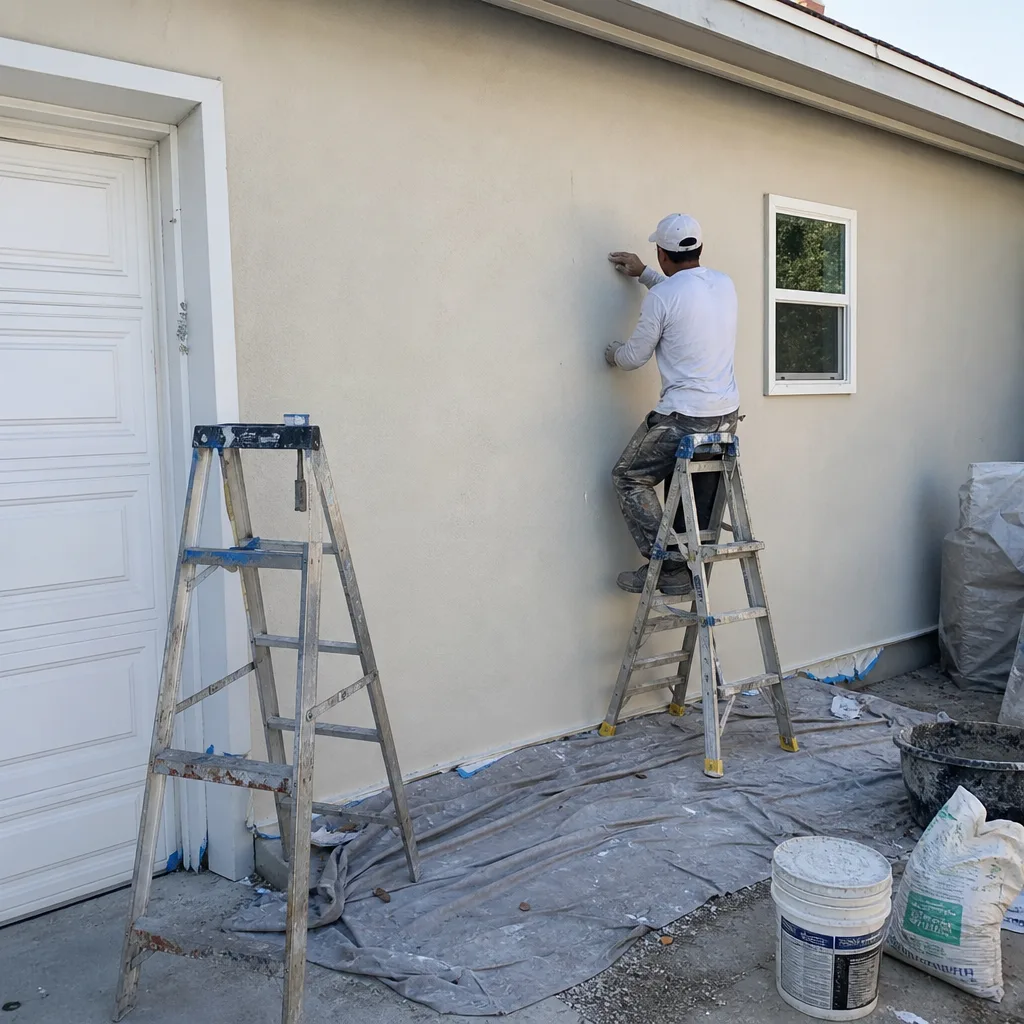 After
AfterBlown-In Attic Insulation Pricing in Burbank
How much does attic insulation cost? In Burbank, blown-in work typically runs between $1.50 and $3.20 per square foot for material and labor combined, depending on the depth required, the current condition of the attic, and how much air sealing work is needed before the insulation goes in. For a 1,200-square-foot attic brought from R-11 to R-38, that usually lands between $1,800 and $3,200 total. Larger homes or attics with significant penetration counts run higher.
Here’s a tighter breakdown of the variables that move the number:
- Target R-value: R-38 is the California Title 24 minimum for Burbank’s climate zone (Climate Zone 9). Upgrading to R-49 or R-60 adds material cost but reduces the long-run HVAC load. The incremental cost from R-38 to R-49 is usually $0.30 to $0.50 per square foot.
- Existing insulation condition: If existing batts are clean and not compressed below R-11, we blow over them. If they’re wet, contaminated, or compacted to near-zero, they come out first. Removal typically adds $0.75 to $1.25 per square foot before new material goes in.
- Air sealing scope: An attic with 6 recessed cans and standard top plates takes less time to seal than one with 24 cans, a whole-house fan rough opening, and unsealed plumbing chases. Air sealing labor on a typical Burbank ranch-style home runs $300 to $700 before insulation. It is always included in the written scope – never added after the fact.
- Attic access and depth: Shallow-pitch attics common in some Toluca Lake ramblers require more time for the crew to work safely at low clearance. That adds labor but rarely changes the final number by more than 10 to 15 percent.
- Material choice: Cellulose (like GreenFiber) and fiberglass (like Owens Corning AttiCat) are priced similarly per R-value delivered. The choice is driven by moisture tolerance, attic conditions, and homeowner preference – not by which one earns us more margin.
We give you a flat written price before any work starts. If you have a competing estimate in hand, bring it. Under the Haven Standard, we offer a free second opinion on any written estimate – we’ll read it with you, line by line, and tell you what’s in it and what’s missing.
FAQs – Blown-In Attic Insulation
How much does blown-in attic insulation cost in Burbank?
Most blown-in attic insulation jobs in Burbank run between $1,800 and $3,200 for a home with 1,000 to 1,400 square feet of attic space, brought from thin existing insulation up to R-38. Larger homes, deeper target R-values, or attics that need material removed first will push the number higher – $3,500 to $5,500 isn’t unusual on a 2,000-square-foot footprint with removal included. Every Topside job starts with a written flat price, so you know the number before anyone arrives. Call (213) 816-1699 to get a free estimate scheduled – no pricing is given as a vague range when we can put actual numbers in writing for your specific attic.
Do you have to remove old insulation before blowing in new material?
Not always. If existing insulation is dry, free of rodent contamination, and not compressed below about R-7 to R-8, blown-in material can go directly over it – the new material adds to the existing thermal resistance rather than replacing it. If the existing insulation is wet, contaminated, or has been damaged by pests, it comes out first. We assess this during the initial visit and it’s documented in the written scope before any work starts, so there’s no ambiguity about what you’re paying for.
What’s the difference between blown-in cellulose and blown-in fiberglass?
Both materials are installed with the same blower equipment and both reach the same R-value per inch when installed correctly. Cellulose – like GreenFiber, which is made from recycled paper and treated for fire resistance – settles slightly more over time and handles minor moisture events better than loose fiberglass. Attic baffles and ventilation prep matter because fiberglass – like Owens Corning AttiCat – doesn’t settle as much after installation and is less likely to absorb moisture in attics with marginal ventilation. In Burbank’s dry climate, both perform well. We’ll tell you which one makes more sense for your specific attic and let you choose.
How long does blown-in attic insulation take, and will you make a mess inside the house?
A typical blown-in job on a Burbank home takes four to seven hours from crew arrival to final photo record, including the air sealing work that precedes it. The blowing hose runs through the attic access – usually a panel in a hallway or closet – and we lay down floor protection before anything goes through. Loose-fill material stays in the attic; the only trace inside the home is the attic access point, which we leave cleaner than we found it. The documented photo record we leave with you includes photos of the access area at close of job.
Why the Air-First Approach Produces a Different Result
Blown-in insulation slows conductive heat transfer – the kind that moves through solid materials, joist by joist. It does not stop air movement. If your attic floor has gaps around top plates, recessed lights, or penetrations, conditioned air from your living space rises through those gaps and exhausts into the attic no matter how deep the insulation above them is. You’re paying to keep air cool that’s actively leaving the building.
Sealing those gaps before the insulation goes in costs more upfront – typically an additional $300 to $700 depending on the attic – and it’s the step most Burbank contractors skip because it adds time and doesn’t look different from the outside. The blower-door numbers tell the story. An attic that’s insulated without air sealing might drop from 5,000 CFM50 to 4,400 CFM50. An attic that’s sealed and then insulated often drops from 5,000 CFM50 to 2,200 CFM50 or lower. Both jobs look the same to a homeowner walking through the attic. Only the documented numbers show the difference.
That’s why we publish both readings on every applicable job. Not because it’s a good marketing angle, but because a homeowner who paid for both services deserves to see what both services actually did.
Materials We Use in Burbank Attics
Topside offers both attic batt insulation and blown-in options. We source from GreenFiber, Owens Corning, and Johns Manville, among others. We don’t have a preferred supplier arrangement that locks us into recommending one material over another. If GreenFiber cellulose is the right call for your attic, that’s what goes in. If Owens Corning AttiCat fiberglass performs better for your conditions, we’ll tell you why and price both options so you can decide.
No material is proprietary to us. No material comes with a hidden markup justified by a preferred-partner relationship. The written scope names the specific product being installed, so there’s no substitution on the day of the job.
Serving Burbank and the Surrounding Areas
We work across Burbank – from the flatter streets in Magnolia Park and the Rancho districts to the hillside homes near Glenoaks Canyon and the older ranches in Toluca Lake and Chandler Estates. Attic conditions vary significantly across the city. Hillside homes often have steeper-pitch attics with better natural ventilation but harder access for the crew. Flat-lot ranches tend to have shallower attics with more can-light penetrations and more accumulated settled insulation from decades of additions. We’ve seen both patterns hundreds of times across Burbank since 2016.
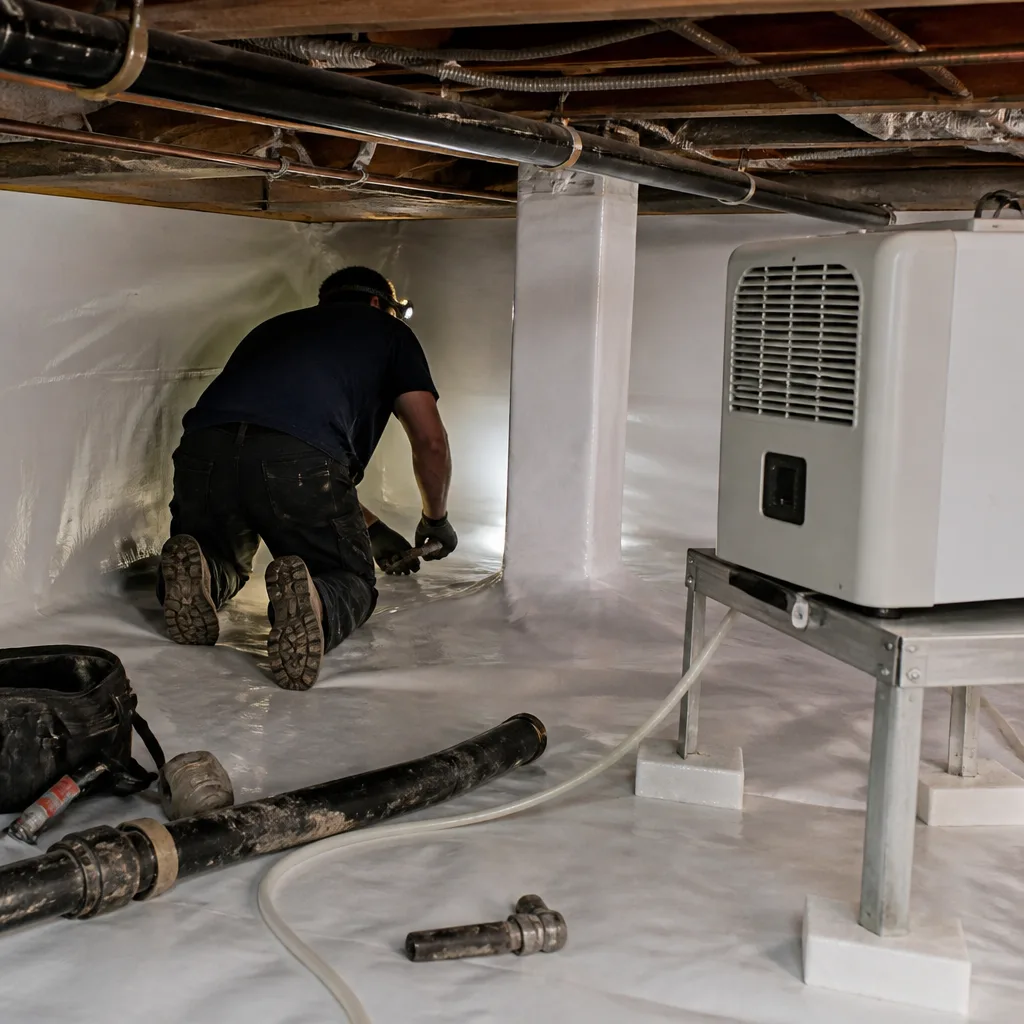
If you want a broader look at what Topside Attic Insulation Burbank does across the full building envelope, the home page covers the complete service line, from crawl space encapsulation to energy audits. Everything on that list connects to attic performance in one way or another.
Key Takeaways
- Blown-in insulation in Burbank typically costs $1,800 to $3,200 for a standard attic brought to R-38. Written price before any work starts, always.
- Air sealing comes first – before any insulation is blown – and the blower-door reading before and after documents the result.
- GreenFiber cellulose and Owens Corning fiberglass are both available; we’ll recommend based on your attic conditions, not margin.
- Existing insulation may not need to come out – assessment is part of the initial visit, documented in writing before the job starts.
- The 365-Day Done Right Promise is in writing on your warranty document. If it’s not right, we make it right.
- Every job closes with a documented photo record and, on applicable jobs, before-and-after blower-door readings.
Get a Written Estimate for Blown-In Attic Insulation in Burbank
If your Burbank home’s attic hasn’t been assessed in the last five years – or if you’ve never had a blower-door test run – the number that comes back is usually surprising. We’ve been doing this work in Burbank since 2016, across more than 9,000 homes sealed and insulated with a written price before the first tool came out of the truck.
Call (213) 816-1699 to schedule a free estimate. We’ll measure the attic, assess the current R-value, run through the air sealing scope, and give you a flat written price before anything else happens. If you have a competing estimate in writing, bring it – we’ll review it with you at no charge under the Haven Standard free second opinion.
Written by Wes Okafor, Owner at Topside Attic Insulation Burbank, serving Burbank since 2016.