
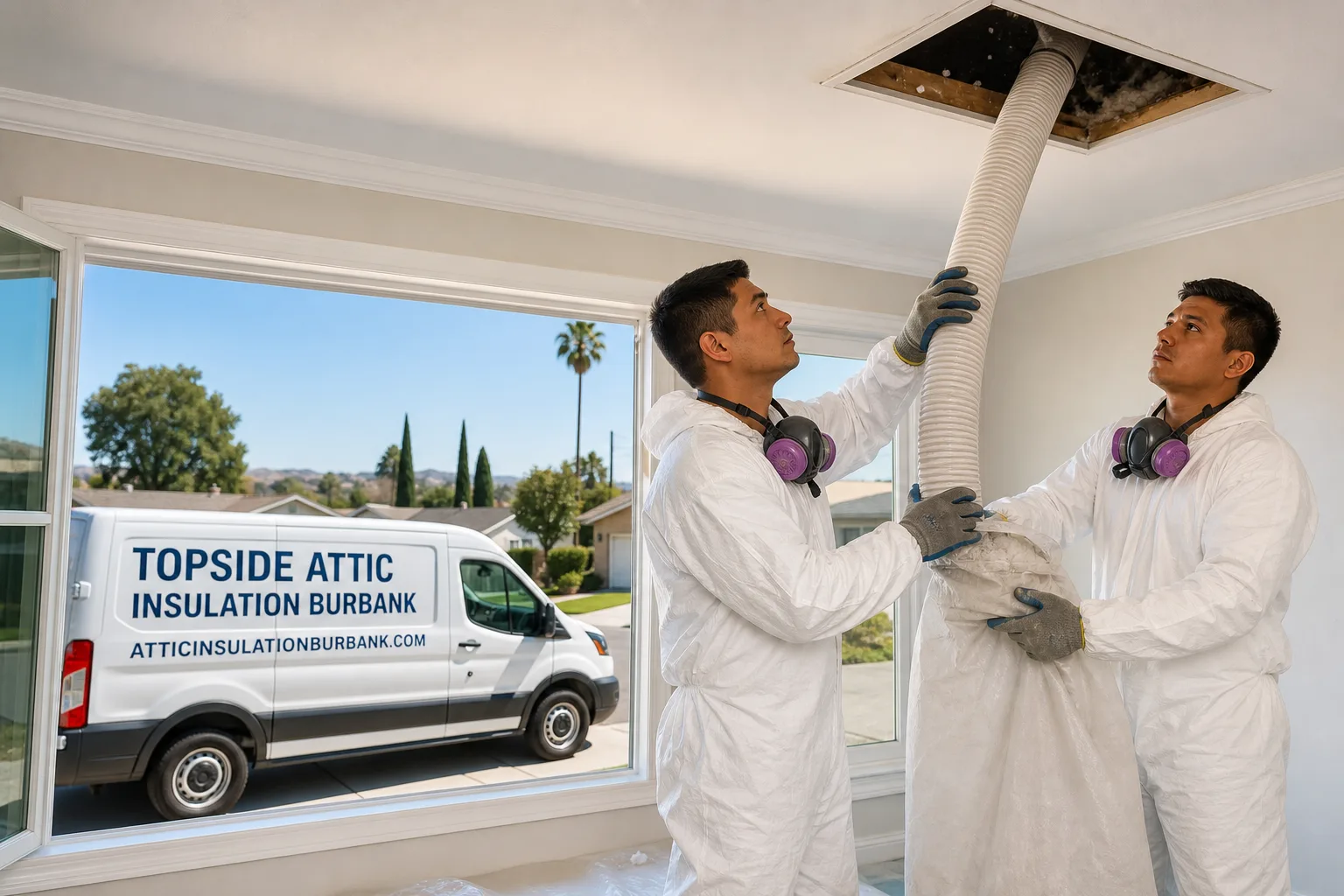
Fast, Reliable Spray Foam Insulation Across Culver City
Spray foam insulation in Culver City typically runs $1,800-$4,500 for most residential retrofits, with closed-cell applications at the higher end and open-cell at the lower. Most Culver City homes built in the 1940s and 1950s need both air sealing and insulation to handle the marine-layer humidity that sits in wall cavities until midmorning. Our crews serve Culver City from our Los Angeles office, and we carry Owens Corning and Johns Manville materials stocked for westside jobs. Call (213) 816-1699 for a written price before any work starts.
Why Topside Attic Insulation Burbank Is Culver City’s Preferred Spray Foam Insulation Company
We’ve sealed and insulated over 9,000 homes since 2016, and a significant share of those have been in Culver City’s 1940s-1960s neighborhoods where postwar minimal-traditional and Spanish-bungalow stock dominates. Our Culver City customers leave reviews that mention the same things: the blower-door numbers we publish, the written scope they received before anyone started, and the photo record they walked away with. We don’t ask you to call for a quote - Haven Standard Clause 1 means a flat, written price before any work starts, period.
Response time to Culver City is same-day or next-day for most spray foam consultations. We know the local permit landscape: Title 24 compliance is non-negotiable on ADU additions and gut-renovations in neighborhoods like the Hayden Tract, and our documentation package is built to pass inspection on the first visit. Our technicians are background-checked, uniformed, and named - you get a text when they’re on the way.
Under the 365-Day Done Right Promise, if it’s not done right, we make it right. That applies to every job in Culver City, no exceptions.
Our Spray Foam Insulation Services in Culver City
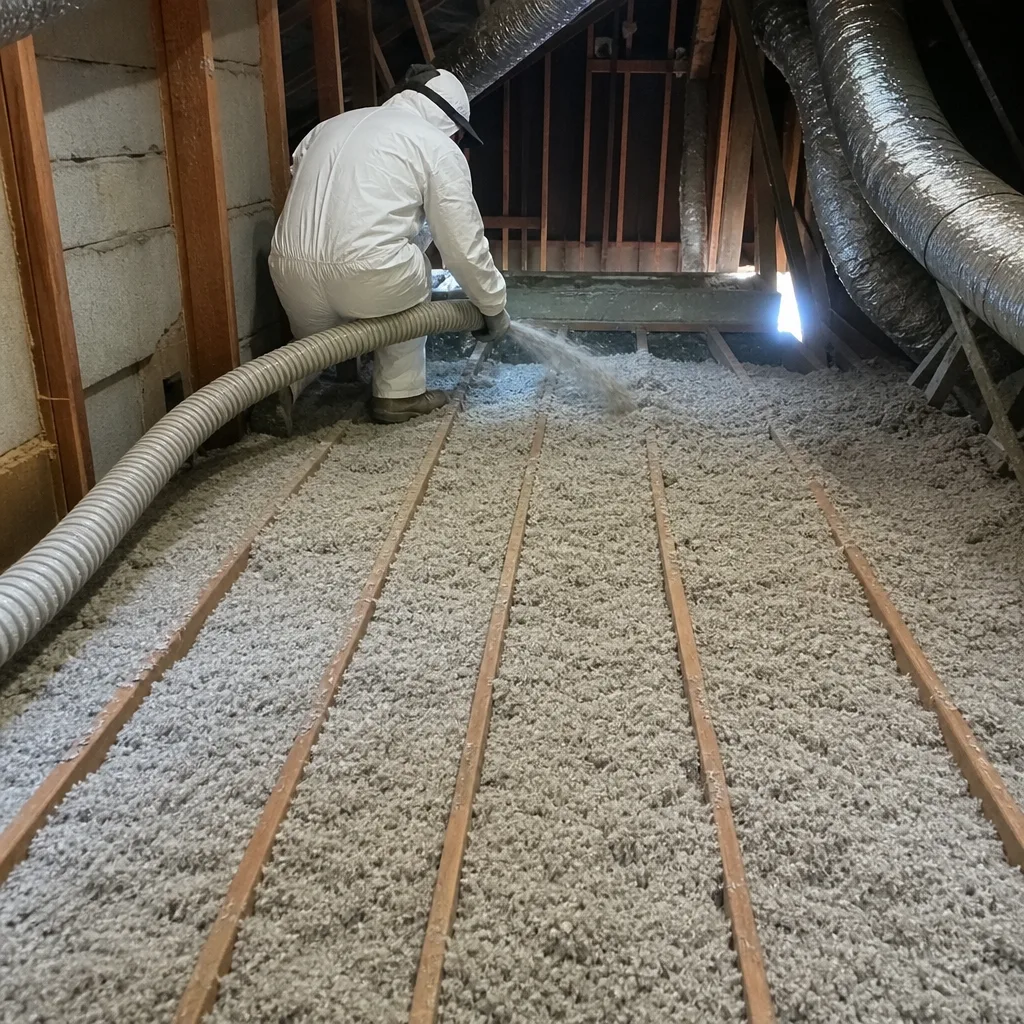
Closed-Cell Spray Foam
Closed-cell spray foam is the workhorse for Culver City’s marine-layer environment. At roughly 2 pounds per cubic foot, it’s a vapor barrier as well as an insulator - critical when damp coastal air infiltrates the uninsulated 2×4 walls common in postwar homes near Venice Boulevard. We specify closed-cell for exterior walls, rim joists, and any assembly where humidity control matters as much as R-value. A typical closed-cell job in a Culver City single-family retrofit runs $2,800-$4,500 depending on cavity depth and square footage.
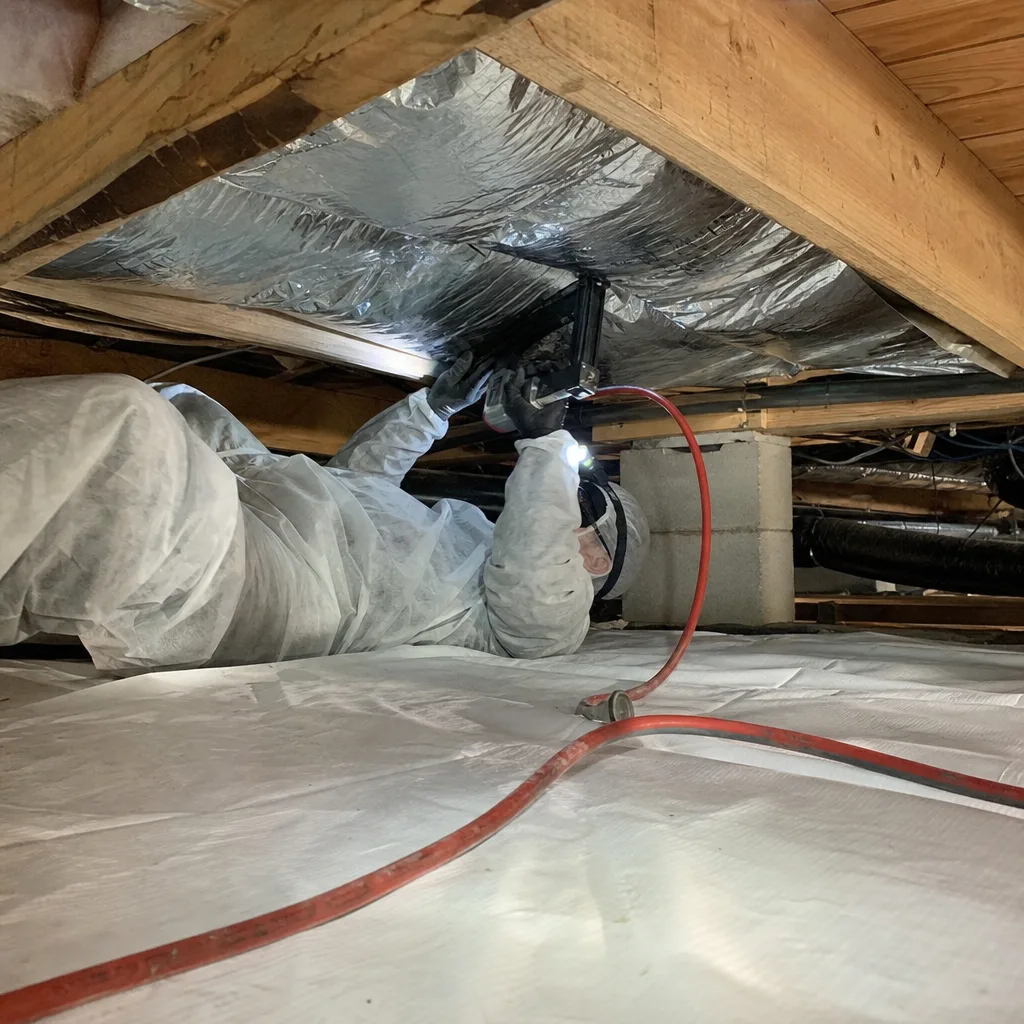
Open-Cell Spray Foam
Open-cell foam, lighter and more permeable at roughly 0.5 pounds per cubic foot, has a specific role in Culver City: interior partitions and sound control. Homes and apartments within a few blocks of the Metro E Line along Venice and Washington Boulevards generate consistent calls for acoustic upgrades. We lead with STC ratings and dense-pack performance in party walls rather than the R-value pitch that dominates inland markets. Open-cell on interior walls runs $1,800-$2,800 in most Culver City units. Our Spray Foam Insulation team will spec the right product for each cavity.
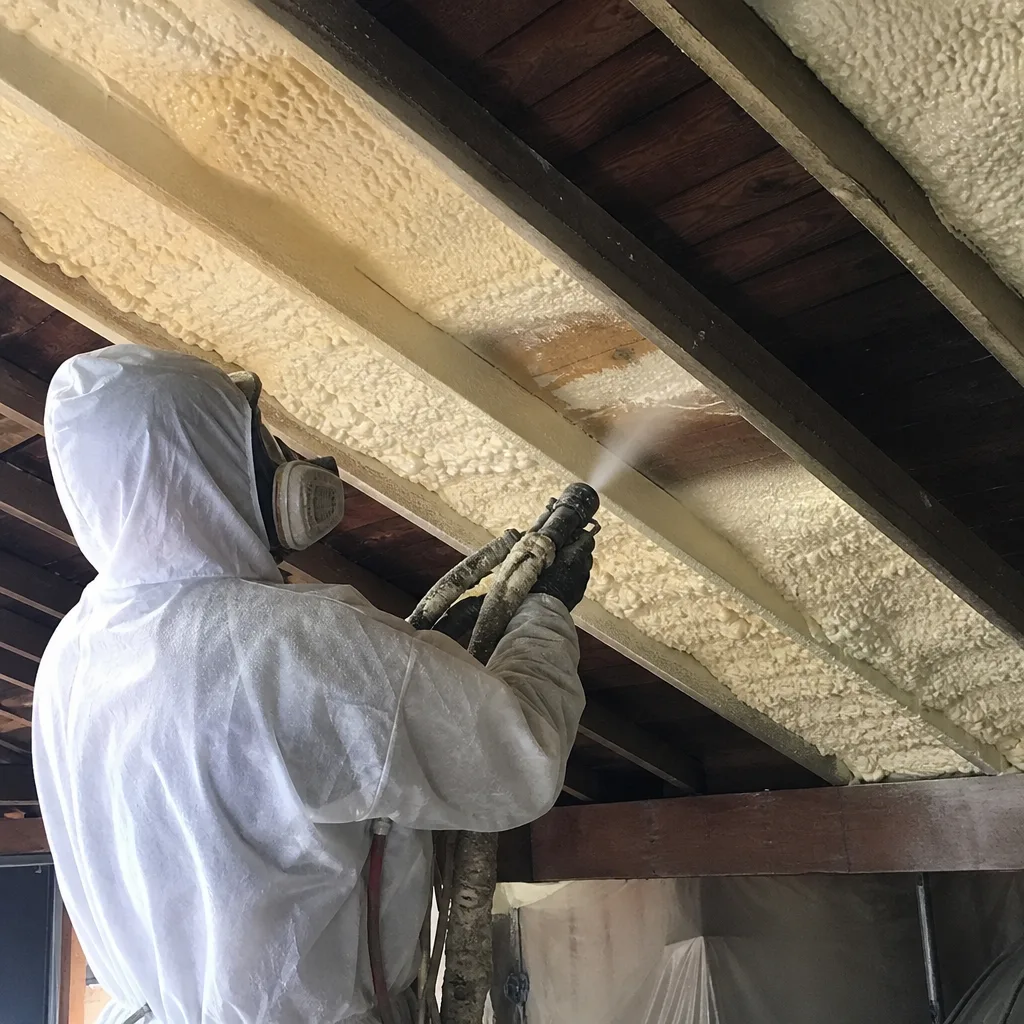
Rim Joist Spray Foam
Rim joists in Culver City’s postwar crawlspaces are a failure point we see repeatedly. The steel bands and sill plates rust through from marine-layer exposure before the foam ever gets sprayed, admitting damp air that undermines any insulation layer applied on top. Our prep includes rust-neutralizing treatment and substrate assessment before we apply closed-cell spray foam to the rim joist assembly. Skipping this step means the closed-cell layer bonds to a degrading substrate - we’ve opened jobs where that exact shortcut was taken, and the foam was delaminating within two seasons.
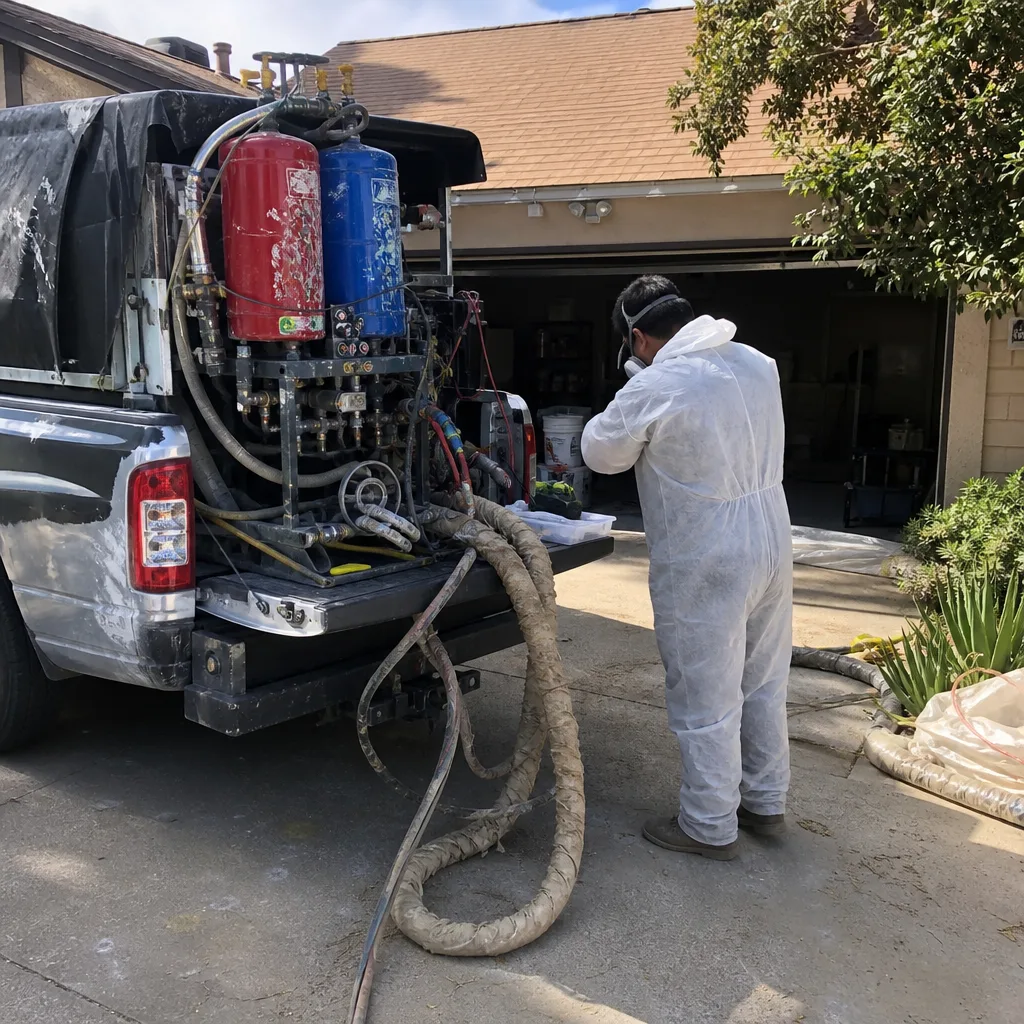
Garage Ceiling Spray Foam
Garage ceiling applications in Culver City are increasingly common as homeowners convert carports and garages to ADUs or studio space. The garage ceiling is typically the thermal and air boundary between conditioned living space and an unconditioned volume - and in Culver City’s climate, it’s also a humidity boundary. We treat garage ceiling spray foam as part of the full envelope assembly, not an isolated upgrade.
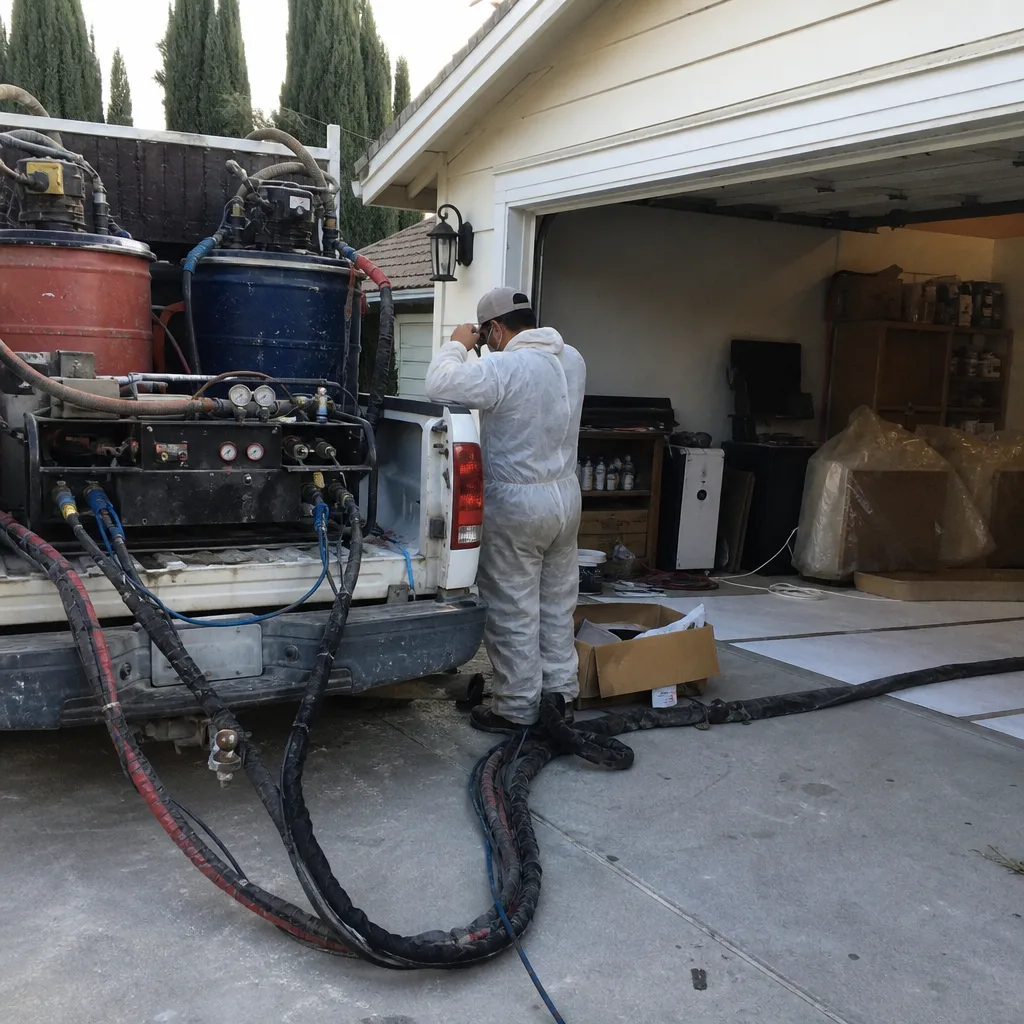
Spray Foam Roof Deck
Roof deck spray foam is specified for unvented attic assemblies, increasingly common in Culver City additions and full gut-renovations. The foam is applied directly to the underside of the roof sheathing, converting the attic to conditioned space. This approach makes particular sense in older Culver City homes where adding soffit and ridge venting to a minimal-traditional roofline is structurally impractical.
What happens when you call
- 1
A real person answersNo phone trees - you reach a local pro.
- 2
You get an upfront price rangeHonest numbers before anyone is dispatched.
- 3
A background-checked tech heads outLicensed & insured, dispatched right away.
- 4
You approve before work beginsNothing starts until you say go.
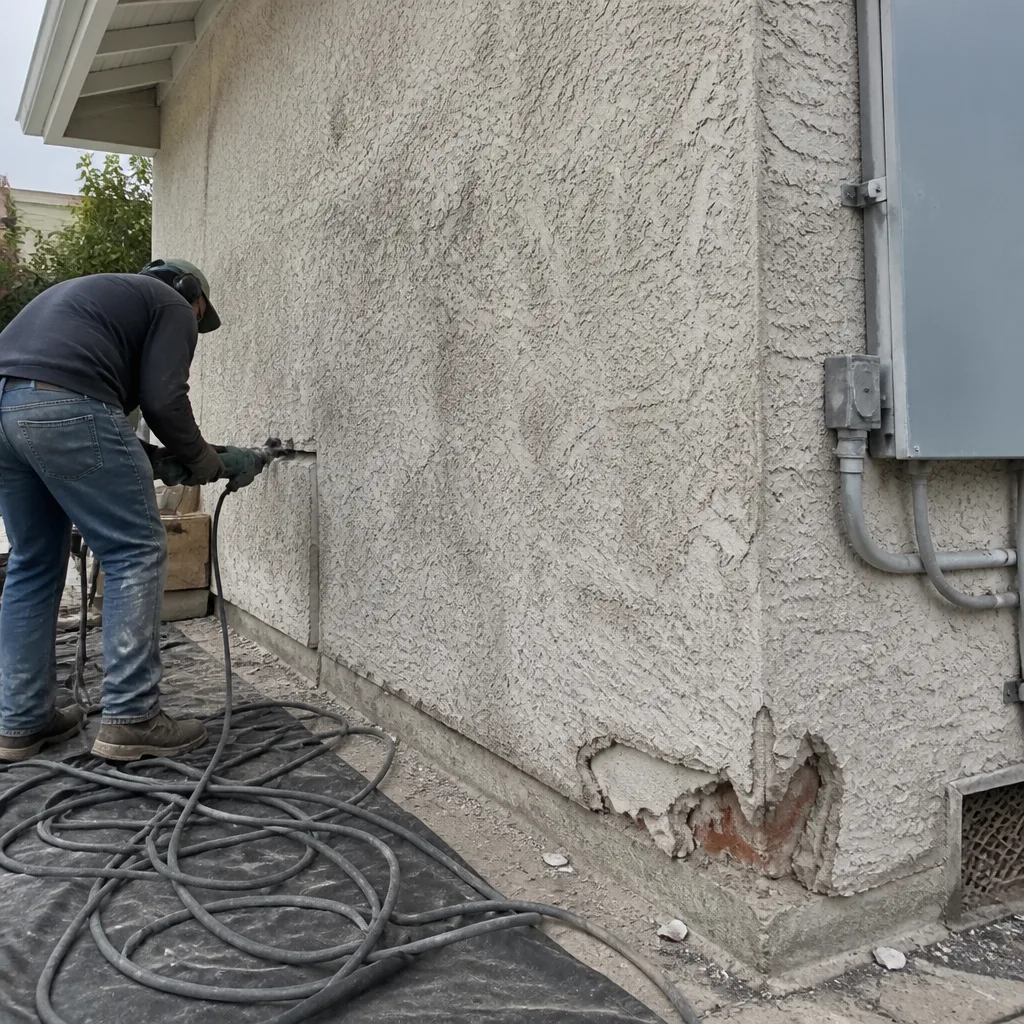 Before
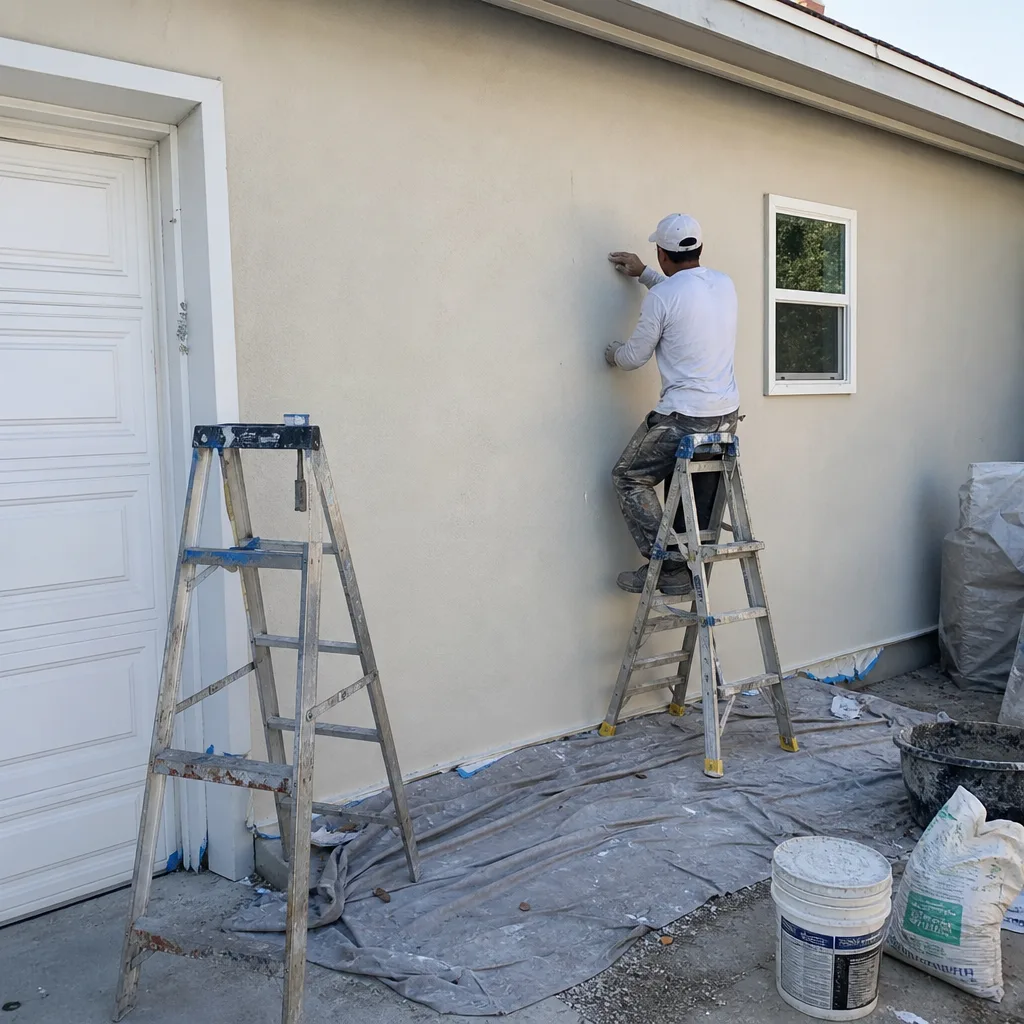 After
AfterTrusted Brands We Service in Culver City
We source spray foam materials from Owens Corning, Johns Manville, and Knauf, among others - no proprietary lock-in, so we spec what the assembly actually needs. For Culver City jobs, we stock closed-cell and open-cell formulations matched to coastal humidity conditions, not generic inland inventory. That means faster turnaround on material delivery and no substitution surprises once the crew is on site. We don’t claim exclusive status with any manufacturer; we claim the right product for the specific wall, floor, or roof assembly we’re treating.
Common Spray Foam Insulation Problems We See in Culver City Homes
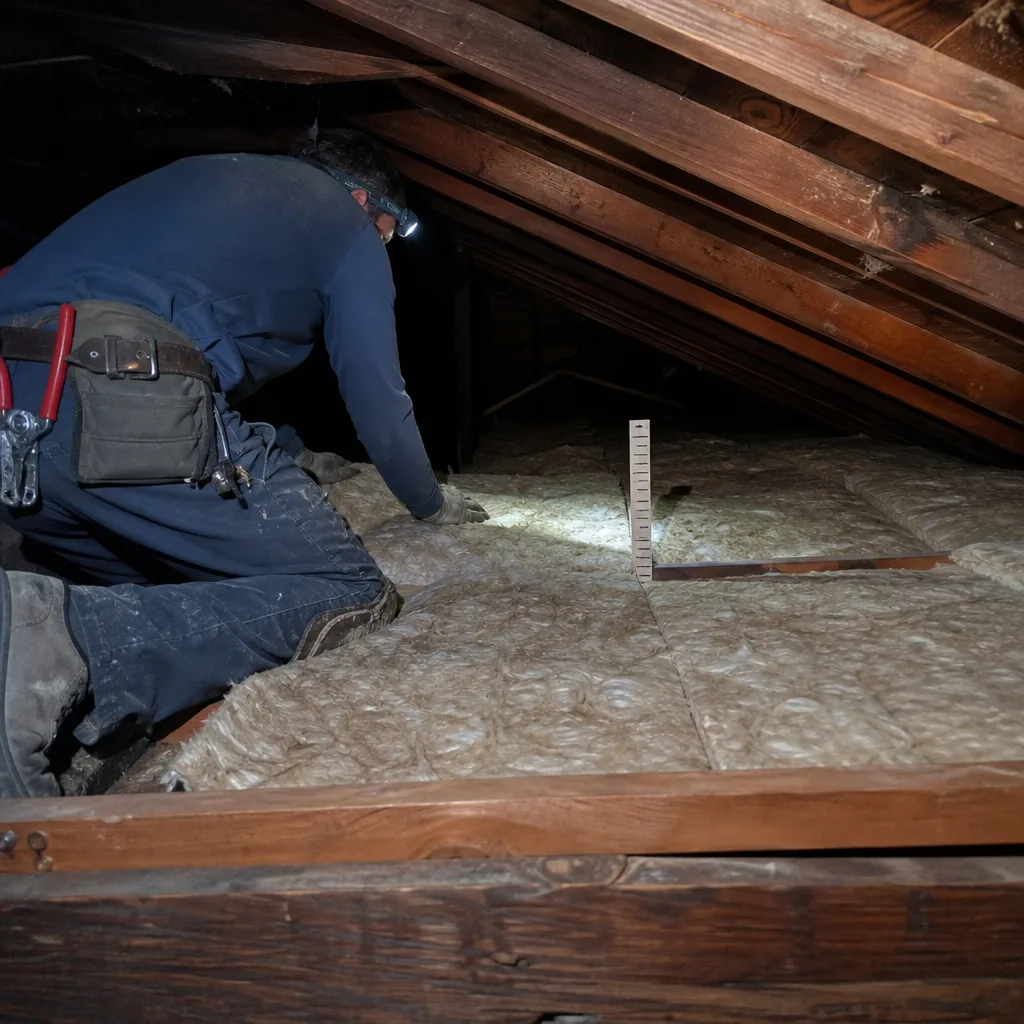
- Moisture accumulation in uninsulated 2×4 walls. Open-cell spray foam installed alone on the cold side of 1940s-1950s Culver City walls becomes a moisture sponge when marine-layer humidity condenses against the sheathing. The foam delaminates rather than curing as a stable thermal barrier. We see this on homes near Washington Boulevard and in the residential blocks south of Culver Boulevard.
- Rusted rim joist substrates in postwar crawlspaces. The damp coastal air that lingers in Culver City’s Fox Hills area and the older neighborhoods east of Sepulveda corrodes steel sill hardware before contractors even arrive. Spray foam applied over rust bonds poorly and fails prematurely.
- Undersized acoustic assemblies near the Metro E Line. Contractors who size spray-foam specs for inland R-value targets alone miss the noise demand driven by train and traffic corridors along Venice and Washington Boulevards. Party walls end up thermally adequate but acoustically transparent.
- Title 24 compliance gaps on permitted work. Culver City’s active ADU and renovation cycle means permit inspections are frequent, and inspectors know what documentation looks like. Jobs without written scope, blower-door numbers, or photo records get flagged. Our documentation package is built for first-pass approval.
Pricing for Spray Foam Insulation in Culver City, CA
Most spray foam insulation jobs in Culver City fall into these ranges:
- Open-cell spray foam (interior walls, sound control): $1.80-$2.40 per board foot; typical 1,200 sq ft interior job runs $1,800-$2,800
- Closed-cell spray foam (exterior walls, rim joists, roof deck): $3.20-$4.50 per board foot; typical single-family retrofit runs $2,800-$4,500
- Rim joist spray foam with rust-neutralizing prep: $800-$1,600 for average Culver City crawlspace
- Garage ceiling spray foam: $1,200-$2,200 depending on finish requirements
What moves the number: cavity depth and accessibility, extent of air-sealing prep required, whether existing insulation must be removed first, and finish specifications (exposed foam vs. thermal barrier coating). Every Culver City job gets a written price before any work starts - Haven Standard Clause 1 - and we offer a Free Second Opinion on any competing written estimate. Call (213) 816-1699 for your exact scope.
We Also Serve Cities Near Culver City
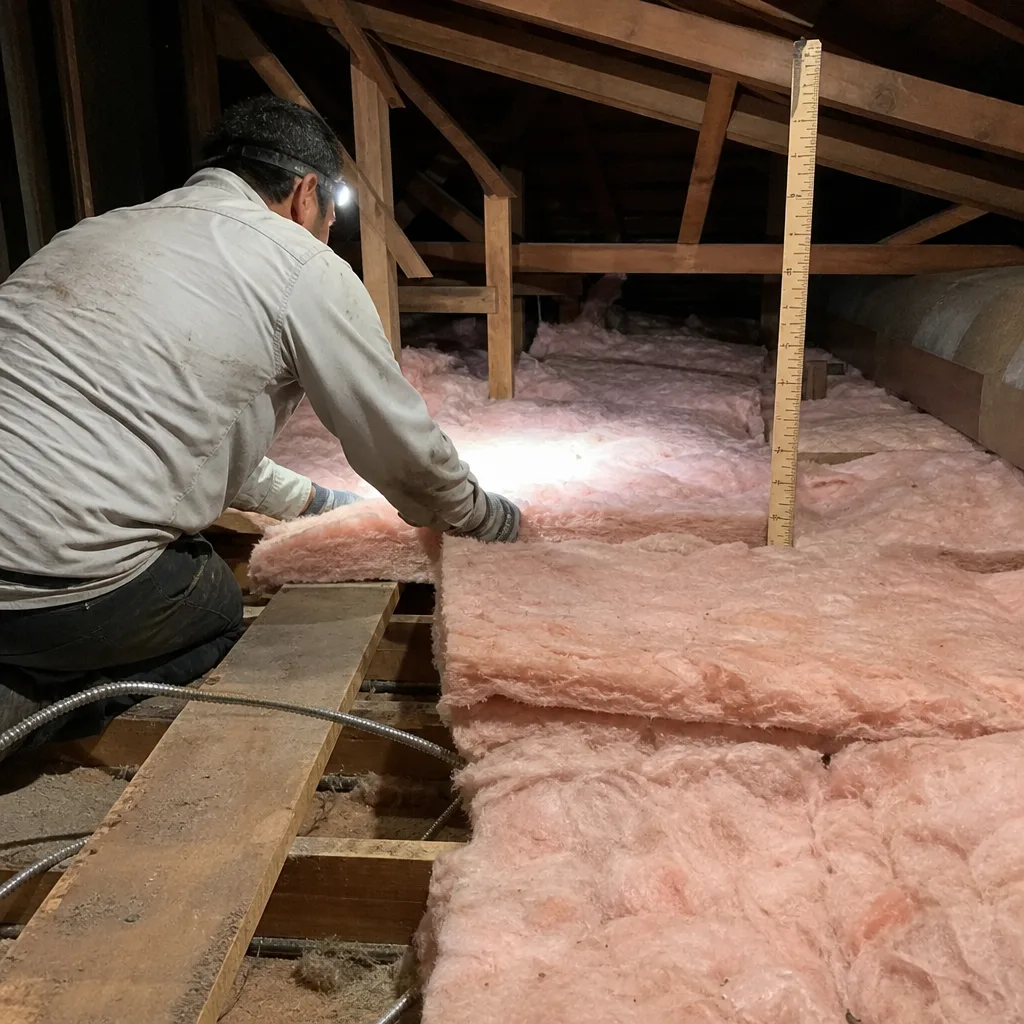
Our crews work throughout the westside and central Los Angeles basin, including Beverly Hills, Santa Monica, West Hollywood, and Los Angeles proper. Dispatch and scheduling are coordinated from our Los Angeles office; crews serve Culver City locally with same-day or next-day availability.
Serving Culver City, CA - Our Local Coverage Area
We’re based in the Culver City area and know this community well. Use the map below to see our service coverage - if you’re nearby, we can almost certainly help.
FAQs - Spray Foam Insulation in Culver City
Closed-cell spray foam matters more here because Culver City sits 4-5 miles from Santa Monica Bay in the marine-layer belt, and that damp cool air lingers into midmorning for much of spring and summer. Inland homes face dry heat; Culver City’s 1940s bungalows face humidity infiltration into uninsulated wall cavities that open-cell foam alone cannot block. Closed-cell’s vapor-barrier properties prevent condensation against sheathing and the mold risk that follows. Call (213) 816-1699 and we’ll walk your specific assembly.
Yes, but only if the spec leads with sound control rather than thermal R-value. Open-cell spray foam at 3.5 inches in party walls and interior partitions adds mass and damping that reduces airborne sound transmission; we specify for STC ratings, not just R-value, on every E Line-adjacent job in Culver City. Dense-pack cellulose in shared walls is often paired with open-cell foam for maximum acoustic performance. The noise from the corridor along Venice and Washington Boulevards is a real condition here - we design for it.
You need insulation that meets or exceeds Title 24’s prescriptive requirements for the specific assembly, and spray foam is frequently the only practical way to achieve that in Culver City’s 2×4 uninsulated walls without furring out for additional cavity depth. The city’s rapid ADU-addition cycle, anchored by tech and entertainment campus growth around the Hayden Tract, means permit inspectors see these jobs constantly. We provide the written scope, blower-door documentation, and photo record that gets Culver City permits passed on first inspection. Call (213) 816-1699 for a written price on your permitted scope.
Closed-cell spray foam will not trap moisture if the substrate is properly prepped before application. In Culver City, that prep is non-negotiable: we neutralize rust on steel sill hardware, assess wood moisture content, and verify substrate integrity before spraying. The moisture is already there from marine-layer infiltration; closed-cell foam seals it out going forward. The failure mode we see is foam applied over active rust or damp wood - that’s a bonding problem, not a vapor-barrier problem. Our rim joist prep protocol is documented in every Culver City job file.
For a Culver City Spanish bungalow, closed-cell goes on exterior walls and rim joists to block marine-layer humidity, while open-cell is reserved for interior partitions where sound damping and cost efficiency matter more than vapor control. The 1940s-1950s Spanish bungalows in neighborhoods like those near the Hayden Tract have uninsulated 2×4 exterior walls and no vapor control in the original assembly. Closed-cell at 2 inches minimum provides the vapor barrier and thermal performance; open-cell on interior walls handles room-to-room acoustics without overbuilding the budget. We spec each cavity for its actual job.
Written by Wes Okafor, Owner at Topside Attic Insulation Burbank, serving Culver City since 2016.