
Owens Corning Radiant Barrier Installation: The Burbank Owner’s Guide
Most Owens Corning radiant barrier installations in Burbank run between $1,800 and $3,400 for a typical 1,200-2,000 square foot attic, depending on whether we’re laying foil-faced decking over existing insulation or retrofitting a full attic with new radiant barrier sheathing. We stock Owens Corning Raft-R-Mate and EnergyComplete-compatible radiant barrier products on our trucks, and we can usually inspect and quote same-day. Homeowners in Burbank usually notice the problem in July or August, when their second-floor bedrooms won’t drop below 78 degrees even with the AC running flat out, or when they spot sagging, dusty foil in the attic that has pulled away from the rafters.
Which Owens Corning Models This Applies To
Owens Corning makes radiant barrier products in two main configurations, and mixing them up wastes money. The Raft-R-Mate series is a rigid extruded polystyrene baffle with a foil-facing, designed to install between rafters and maintain a vent channel from soffit to ridge while reflecting radiant heat. The EnergyComplete system integrates a radiant barrier component with the company’s sealed attic platform, though most Burbank homes we see are retrofits rather than new builds with full EnergyComplete envelopes.
To identify what you have, look for the Owens Corning logo and product code stamped on the foil-facing or printed on any remaining packaging. Raft-R-Mate baffles are typically 22.5 or 23 inches wide to fit standard 24-inch on-center framing, and 48 inches long. If your existing material is a thin, flexible sheet stapled to the underside of the rafters, that’s likely a third-party aftermarket product, not Owens Corning OEM, and it may have degraded faster than the rigid baffle systems we prefer for Burbank’s combination of intense attic heat and Santa Ana wind cycles.
We also stock Reflectix radiant barrier products for homeowners who need a compatible alternative, though for Owens Corning systems we typically recommend staying with OEM-spec materials to maintain the intended vent-channel geometry. The wrong thickness or reflectivity throws off the attic’s thermal dynamics, and we’ve measured temperature swings of 15-20 degrees in Burbank attics where a retrofit barrier was installed too close to the roof deck, eliminating the required air gap.
Signs Your Owens Corning Radiant Barrier Installation Is Failing
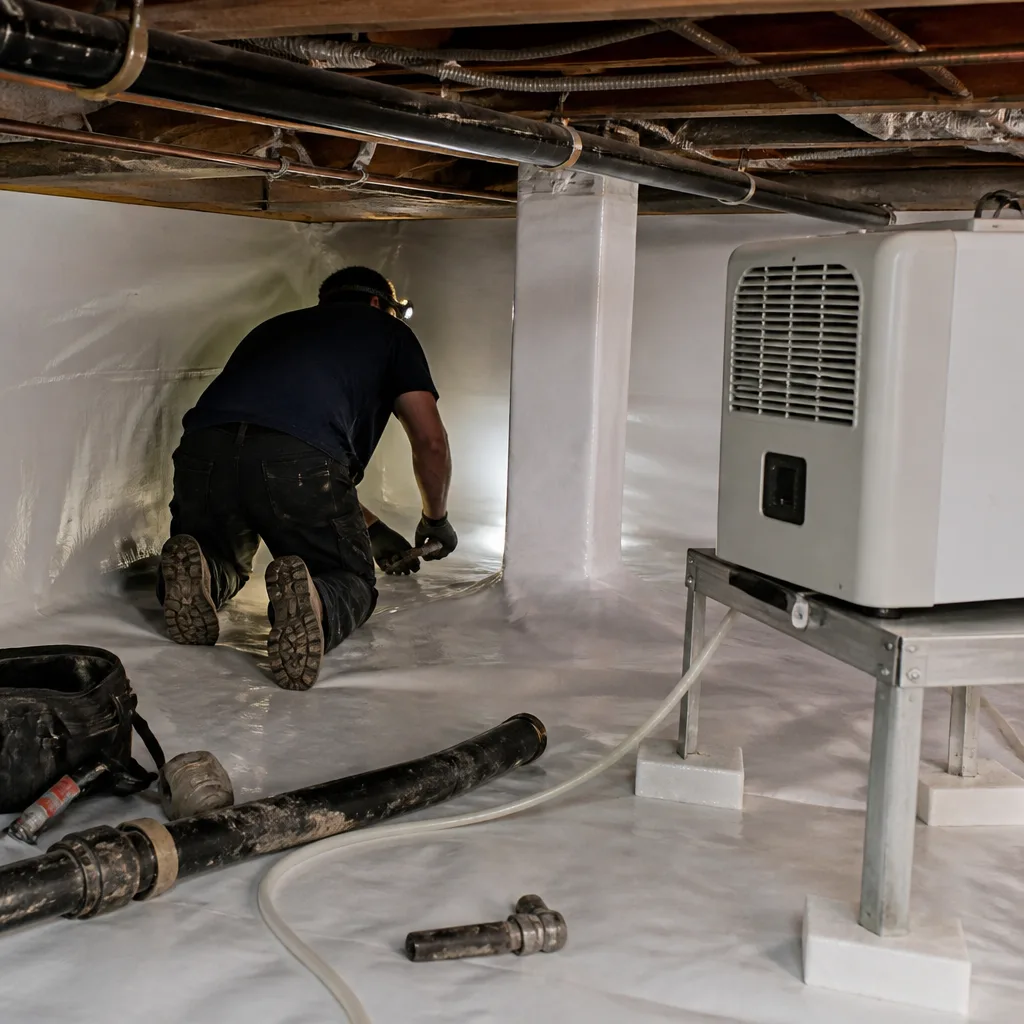
- Second-floor rooms stay hot past 10 p.m. - Radiant barrier works by reflecting infrared heat back toward the roof deck before it reaches your insulation layer. When the foil surface oxidizes, tears, or pulls away from the rafters, that heat dumps straight into the attic floor. In Burbank’s climate, with roof surface temperatures regularly hitting 150°F in August, a failed barrier turns your attic into a heat reservoir that radiates downward for hours after sunset.
- Visible dust accumulation on the foil surface. - A clean radiant barrier reflects up to 97% of radiant heat. Dust drops that figure to roughly 50%, which is functionally the same as no barrier at all. Burbank’s dry, windy springs pull fine particulate through soffit vents, and homes near the 5 Freeway or Golden State Route get hit harder. We see this most often in Magnolia Park and the hillside neighborhoods above Glenoaks Boulevard.
- Sagging or detached sections hanging from rafters. - Staple fatigue is common in older installations, especially where flexible sheet products were used instead of rigid baffles. Owens Corning’s Raft-R-Mate system resists this better because it friction-fits and is mechanically supported, but retrofit sheets stapled to rafter bottoms in the 2000s are often coming down now. A hanging barrier blocks airflow and can trap moisture against the roof deck.
- Spiking summer electric bills with no rate change. - When your AC runs 30-40% longer to maintain the same setpoint, the building envelope is the first place to look. We’ve pulled utility records with Burbank homeowners and correlated July kWh spikes directly to degraded radiant barrier performance, particularly in ranch-style homes with large roof surface-to-conditioned-volume ratios.
- Hot spots on the attic floor directly below dark roofing. - We verify this with thermal imaging during our initial inspection. A functioning radiant barrier shows relatively uniform temperatures across the attic floor. Failed or missing sections reveal as bright zones, typically aligned with south- and west-facing roof pitches that take the hardest solar load.
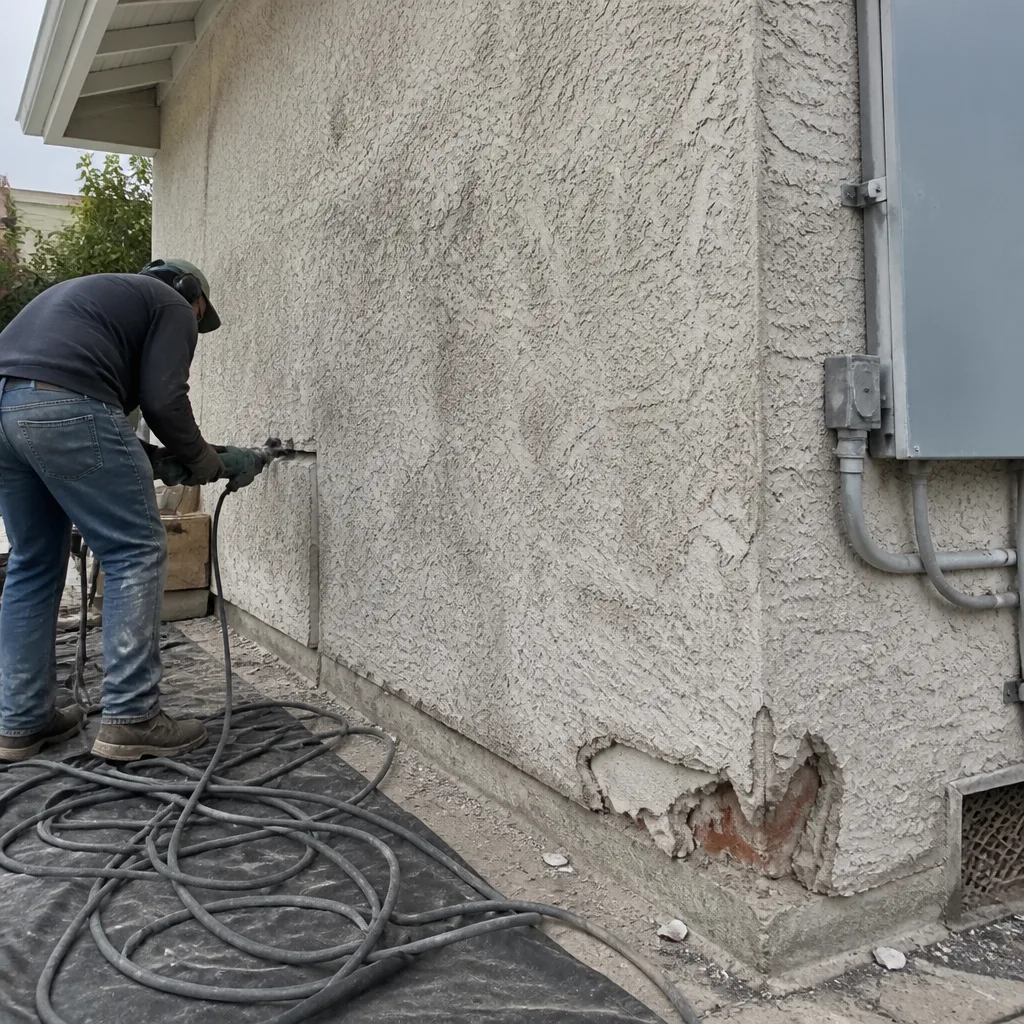 Before
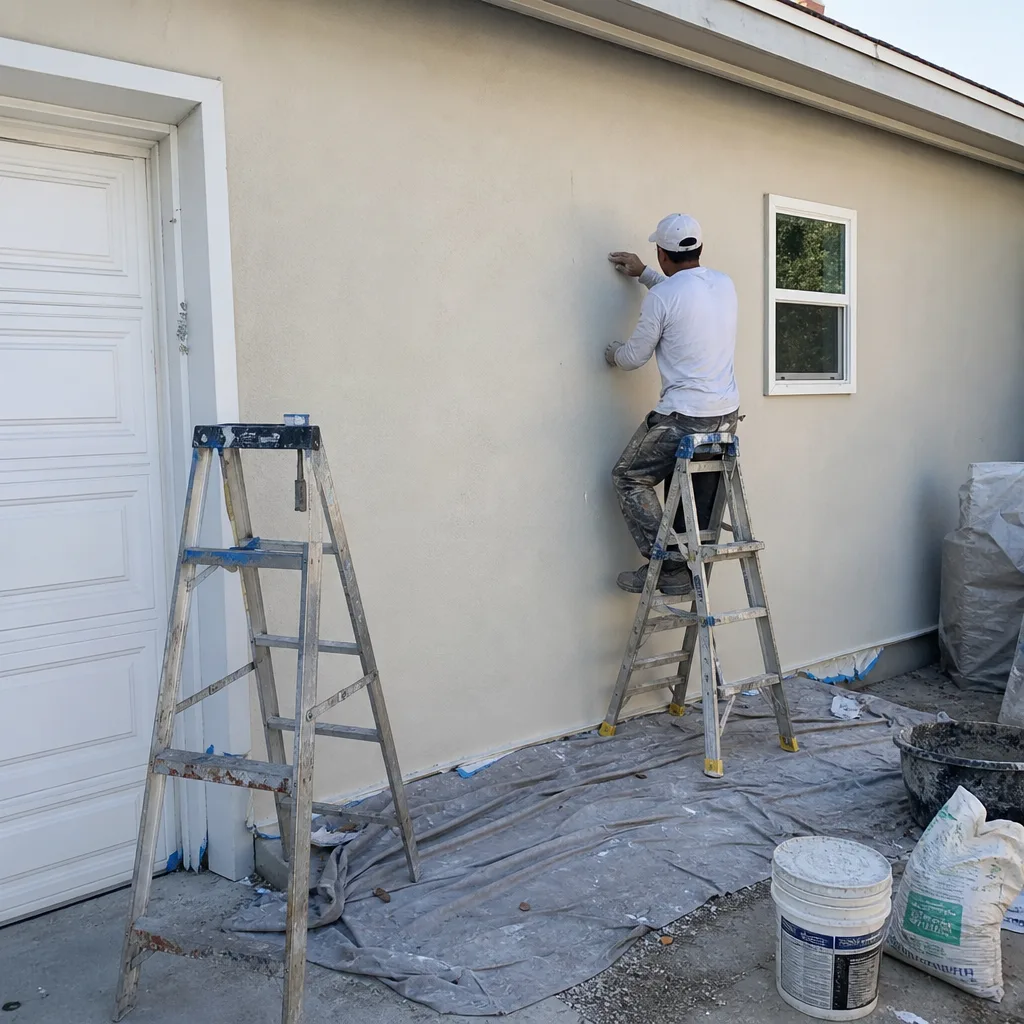 After
AfterReplacement Cost & What’s Included
| Scope | Typical Range in Burbank |
|---|---|
| Retrofit radiant barrier (sheet or rigid baffle, attic floor application) | $1,800 - $2,600 |
| Full rafter-bay installation with new baffles and air sealing | $2,400 - $3,400 |
| Attic air sealing prerequisite (top plates, can lights, penetrations) | $400 - $900 |
| Insulation touch-up or replacement where disturbed | $300 - $700 |
The spread depends on three factors: attic accessibility (cape-cod kneewalls and tight scuttles add labor), whether we need to remove degraded existing material first, and whether the home has been air-sealed previously. Under Haven Standard Clause 1, every job gets a written price before work starts, and that price includes parts, labor, disposal of old material, and our Documented Photo Record. We do not quote over the phone without seeing the attic; the variables are too specific. Every radiant barrier installation carries our 365-Day Done Right Promise, and where applicable we provide before-and-after blower-door readings so you can verify that air sealing was completed before the barrier went in. The R-value is what the label says. The performance is what the blower-door test says. We care about the second number.
DIY or Call Us?
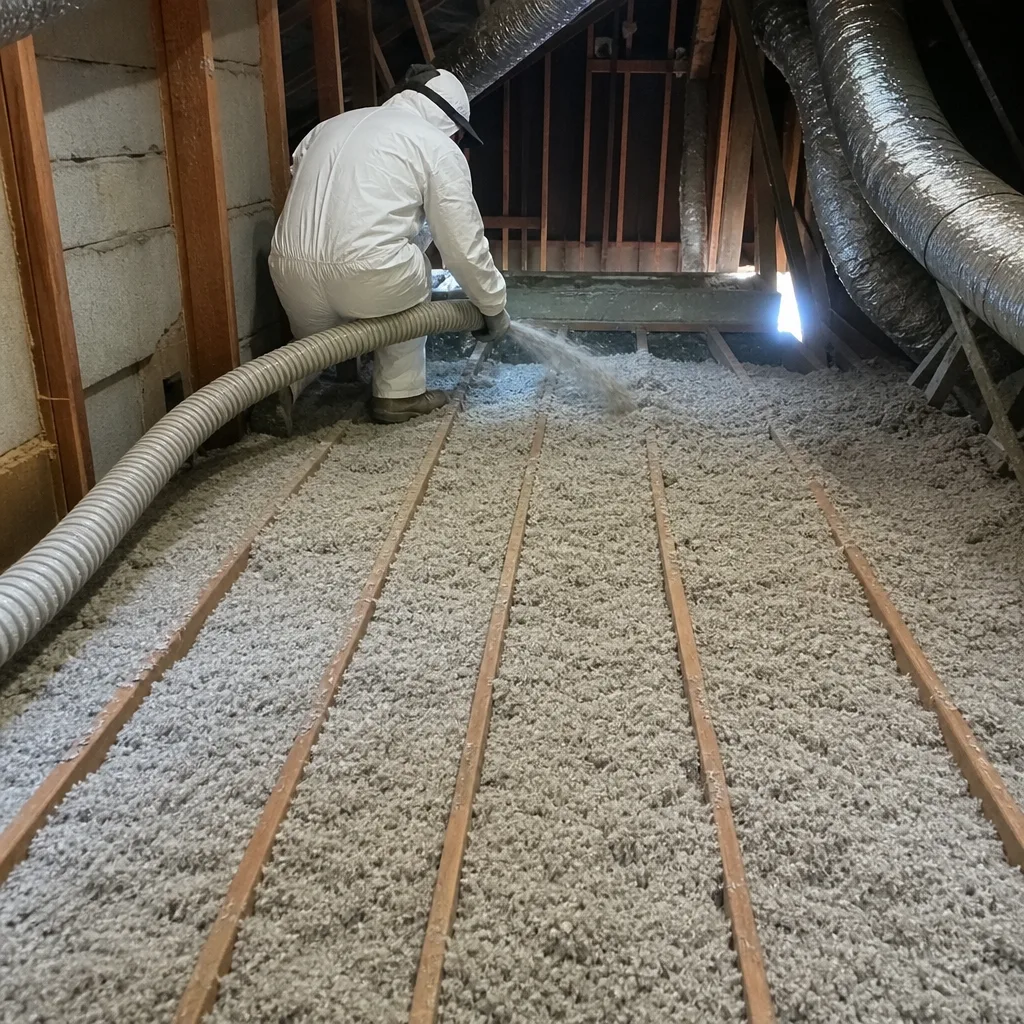
There’s no high-tension danger here like a garage door spring, but there are genuine pitfalls. A homeowner can safely check the attic hatch for detached sections, measure attic square footage, and photograph any product labels for identification. What goes wrong in DIY radiant barrier work is sequencing and detail: installing barrier directly against roof decking with no air gap (it becomes a conductor, not a reflector), blocking soffit ventilation with poorly placed sheets, or compressing existing insulation while maneuvering in tight quarters.
In Burbank’s climate, a radiant barrier installed without proper attic ventilation can trap summer moisture and accelerate roof deck degradation. We’ve also found DIY jobs where the homeowner used standard construction staples that rusted through in two seasons, or chose a product with the wrong emissivity rating for California Title 24 compliance. If you’ve already got Owens Corning products and want them matched correctly, call (213) 816-1699. We’ll inspect, photograph, and give you a written price. No charge for the visit, and we stock the compatible materials on our trucks.
FAQs
Properly installed Owens Corning rigid radiant barrier baffles last 20-25 years in Burbank’s dry climate, though flexible sheet products often degrade in 10-15 years due to staple tear-through and dust accumulation. The intense UV exposure and thermal cycling in south-facing Burbank attics accelerates oxidation of any exposed foil edges. Call (213) 816-1699 and we can assess your specific installation’s remaining life with a thermal camera and visual inspection - estimates are free.
Spot re-stapling of detached sections is possible if the foil is intact and unoxidized, but in practice we find that degraded areas are usually widespread by the time a homeowner notices the temperature problem. Partial repairs often leave thermal bypasses that undermine the whole system’s performance. We quote both options when feasible, but most Burbank homes we see need full replacement to restore the intended radiant-heat rejection. Call (213) 816-1699 for an exact assessment - estimates are free.
A typical Burbank attic radiant barrier replacement takes one day for crews of two, or two days if extensive air sealing and insulation touch-up are included. We sequence the job per Haven Standard protocol: air seal first, verify with blower-door test, then install barrier. You don’t need to be home after the initial walkthrough, though we do a final photo review with you before invoicing. Call (213) 816-1699 to schedule - we usually have next-day availability.
We stock Owens Corning Raft-R-Mate baffles, compatible foil-faced rigid sheathing, and Reflectix alternatives on our Burbank-area trucks. For unusual EnergyComplete configurations or large custom orders, we pull directly from Owens Corning’s West Coast distribution and typically have materials within 48 hours. Same-day installation is common for standard retrofit work. Call (213) 816-1699 to confirm truck stock for your specific model - estimates are free.
Written by Wes Okafor, Owner & Lead Insulation Technician, Topside Attic Insulation Burbank at Topside Attic Insulation Burbank, serving Burbank and nearby areas.