
Owens Corning Attic Insulation: The Burbank Owner’s Guide
Most Owens Corning attic insulation installations in Burbank run between $1.80 and $3.20 per square foot for blown-in fiberglass, with complete attic jobs typically falling between $2,400 and $5,800 depending on depth, accessibility, and whether existing material needs removal. We stock Owens Corning ProPink L77 loose-fill and EcoTouch PINK Fiberglas batts on our Burbank trucks, and we can usually inspect and quote same-day. Homeowners usually notice the problem first through their utility bill, a hot second floor in July, or cold spots along the ceiling after the Santa Ana winds drop the temperature overnight.
Which Owens Corning Models This Applies To
Owens Corning labels their attic insulation by application, not by a single model number, so matching the right product means reading the bag code or the existing batt facing. ProPink L77 is the loose-fill blown fiberglass you’ll see in most Burbank attics installed after 2010, rated at R-3.7 per inch and designed for open attic floors. EcoTouch PINK Fiberglas batts come in R-13 through R-38, with the R-30 and R-38 being the most common for our climate zone, Zone 3, where the Title 24 prescriptive minimum for attic insulation is R-38 in new construction and R-30 in many retrofit scenarios.
To identify what you have now, check the paper facing on batts for the Owens Corning logo and R-value stamp, or look for the white and pink bags if loose-fill was used. The critical compatibility gotcha in Burbank’s 1950s through 1980s ranch homes, especially in the Magnolia Park neighborhood, is cavity depth: a true R-38 batt needs about 12 inches of depth, but many original rafter bays in these homes were framed for R-19 at most. Blowing loose-fill over the top of compressed or settled existing material without checking density is a common mistake; the R-value on the new bag doesn’t override the thermal bridging created by gaps and voids underneath.
We source Owens Corning through standard distribution, same as any independent contractor, and we also stock Johns Manville, Knauf, and CertainTeed equivalents when the job calls for a different density or price point. No brand lock-in.
Signs Your Owens Corning Attic Insulation Is Failing
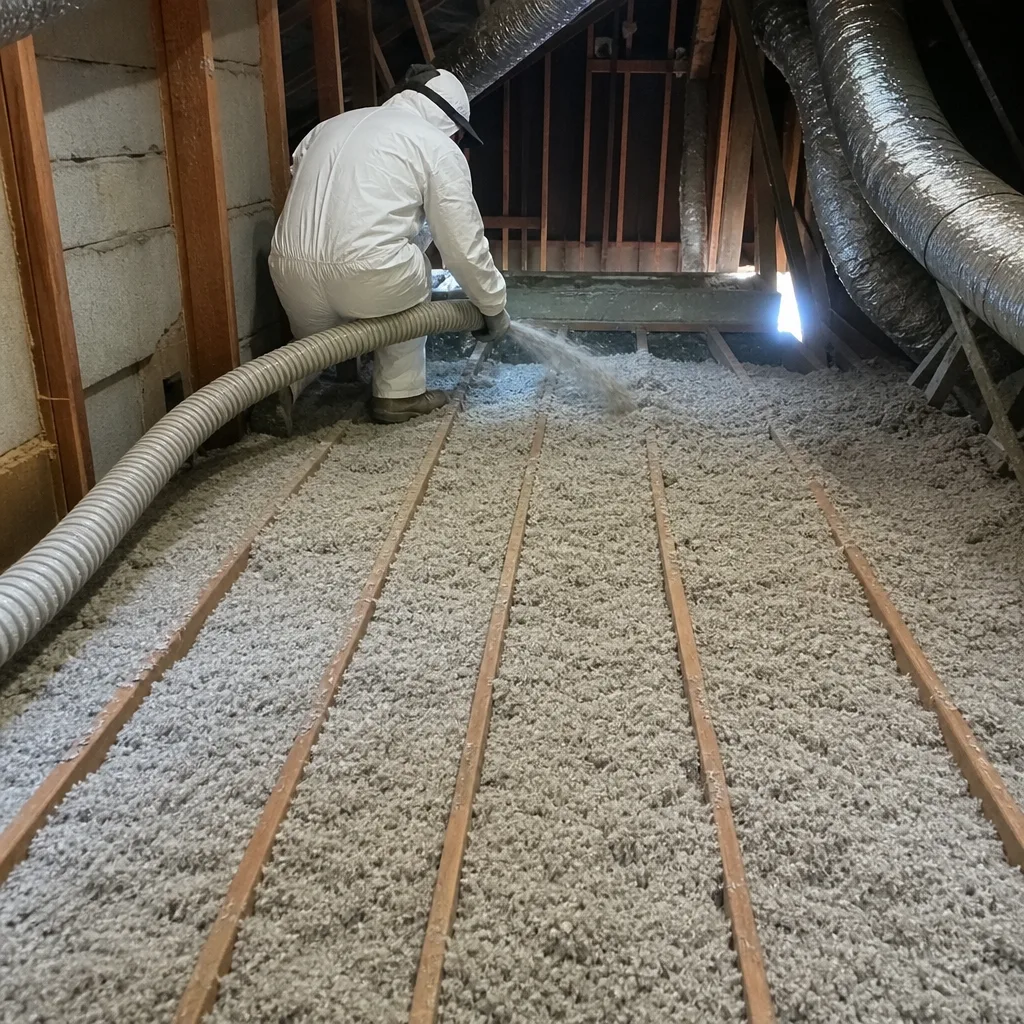
- Energy bills climbing year-over-year without rate changes. In Burbank, a home with settled or compressed Owens Corning loose-fill can lose 15 to 25 percent of its labeled R-value within 10 to 15 years due to vibration from LAX flight paths and seasonal thermal cycling. The blower-door test - a pressurization reading that shows, in one number, how much air your building envelope is losing - typically reveals the real problem is air bypassing the insulation through unsealed top plates and can-light penetrations, not the insulation itself.
- Hot ceiling patches in summer, cold spots in winter. This usually means the insulation has shifted away from eaves or settled below the top of the joists, creating thermal bypasses where conditioned air meets the roof deck directly. In Burbank’s climate, with 90-degree days common from May through October, a gap of even two inches translates to a noticeable temperature swing in the room below.
- Ice damming or moisture staining at the ceiling perimeter. Rare in Burbank but not unheard of during the occasional January cold snap; it signals warm air reaching the roof deck because insulation coverage is incomplete at the eaves, or because bathroom exhaust fans are dumping moist air into the attic through disconnected flex duct.
- Visible compression or disturbance from prior trades. HVAC technicians, electricians, and rodent-proofing crews often walk through loose-fill insulation to access equipment, leaving foot-compressed paths that no longer perform at rated R-value. We document these disturbed areas with photos during our inspection and include them in the scope.
- Insulation age exceeding 20 years with no air sealing performed. Owens Corning fiberglass itself doesn’t degrade chemically, but in Burbank’s dry, dusty climate it can become a filter for attic air movement, accumulating particulates and allowing convective loops that effectively reduce performance. The material looks fine but tests poorly on thermal imaging.
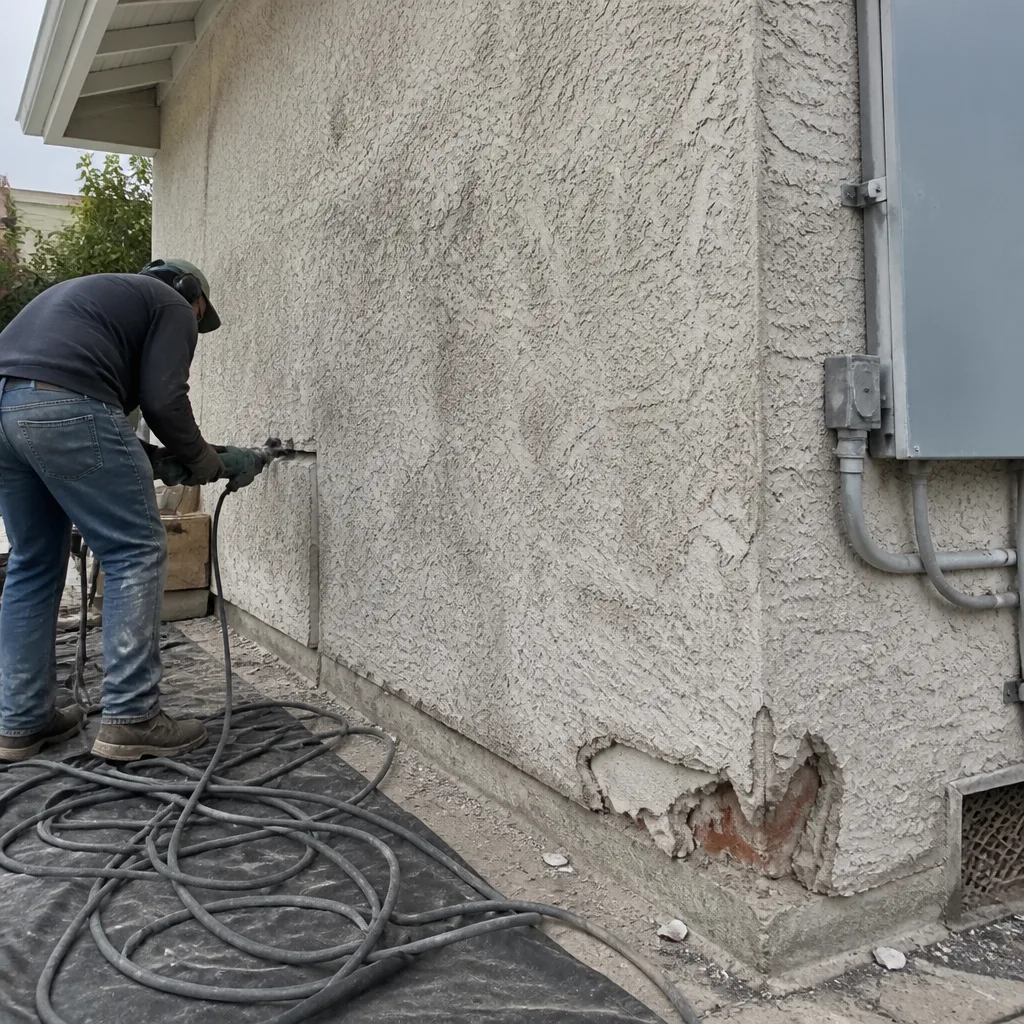 Before
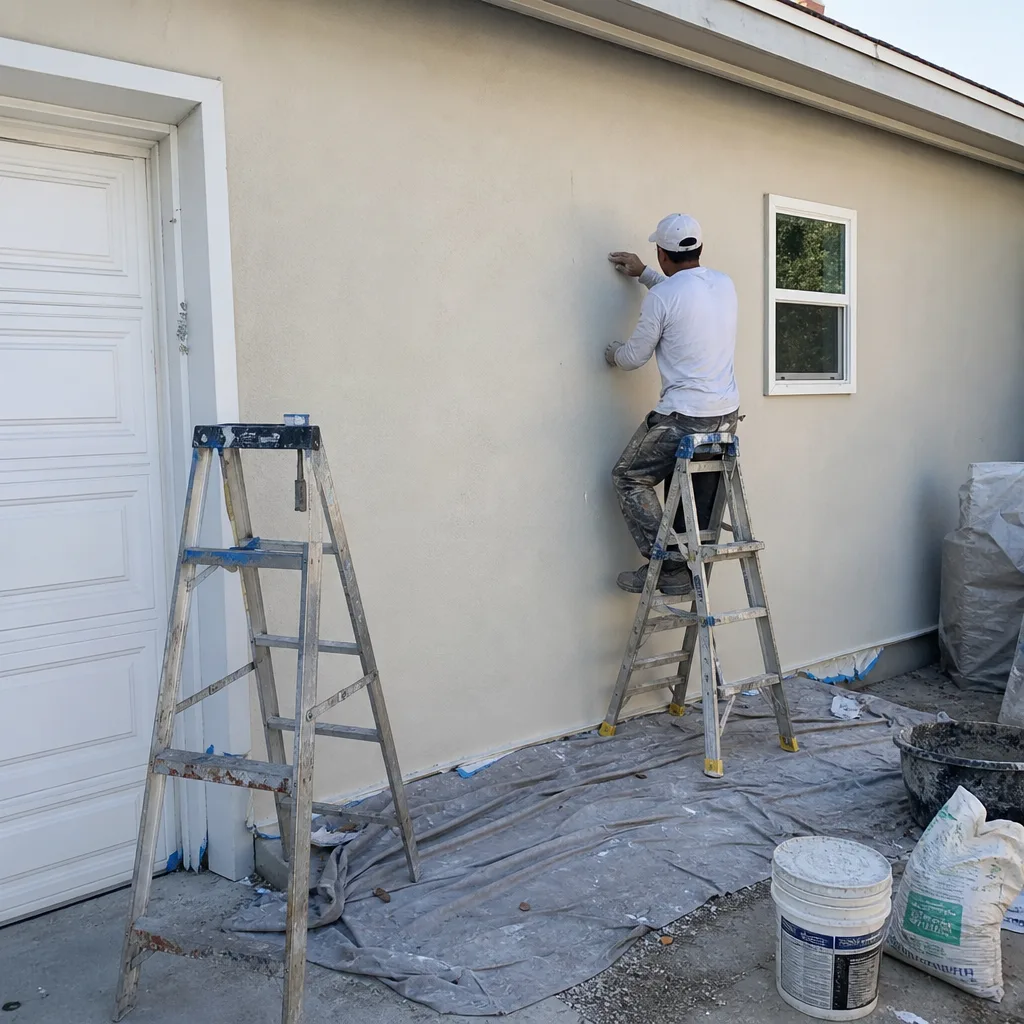 After
AfterReplacement Cost & What’s Included
| Scope | Typical Range in Burbank |
|---|---|
| Add loose-fill over existing (no removal, with air sealing) | $2,400 - $4,200 |
| Remove and replace with new Owens Corning loose-fill or batts | $3,800 - $5,800 |
| Air sealing only (top plates, penetrations, can lights) | $1,200 - $2,400 |
| Rodent soiled insulation removal + replacement | $4,500 - $7,200 |
What drives the range: attic square footage, whether we need to build a storage deck or dam around a pull-down stair, the condition of existing material, and accessibility. A 1,200-square-foot attic with clear soffit vents and a permanent floor is straightforward; a 900-square-foot space with a furnace relocated into the attic and flex duct snaking every direction takes longer to work around properly.
Every job includes air sealing of top plates, can lights, and penetrations before any new insulation goes in, per our sequencing standard. You get a written price before anyone lifts a tool, a Documented Photo Record of the completed work, and on applicable jobs, before-and-after blower-door numbers so you can verify the air-sealing result. The 365-Day Done Right Promise applies to all completed work.
DIY or Call Us?
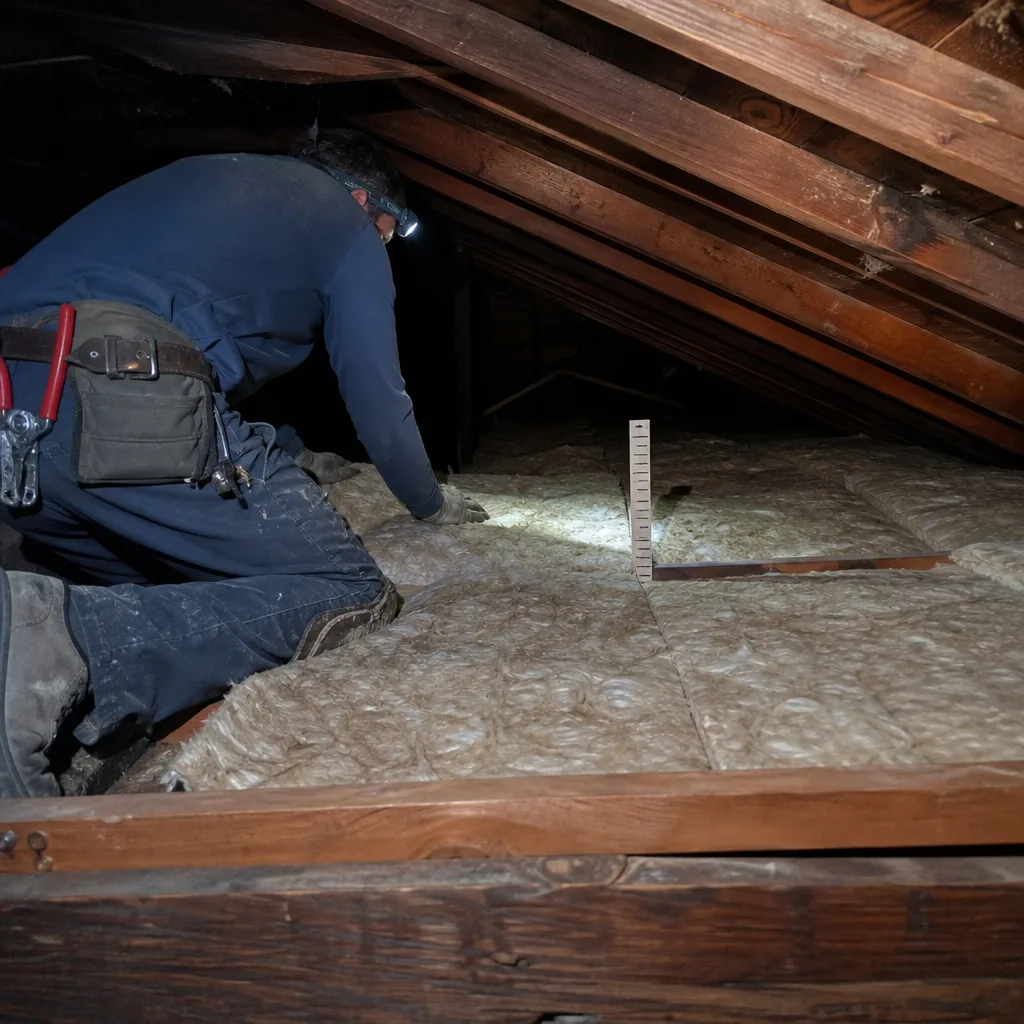
There’s no high-tension danger in handling fiberglass insulation, but there are real ways to waste money doing it yourself. A homeowner can safely check attic depth with a ruler, photograph bag labels if leftover material is stored, and verify that bathroom exhaust fans actually vent outside rather than into the attic space. These three checks will tell you whether you’re dealing with a simple top-off or a more involved fix.
Where DIY goes wrong: blowing new loose-fill over unsealed air leaks, installing batts that compress into cavities too shallow for their R-value, or blocking soffit vents with insulation and creating moisture problems six months later. The R-value is what the label says. The performance is what the blower-door test says. We care about the second number. Wes Okafor and our crew have measured enough Burbank attics to know that the insulation product matters less than the air sealing and installation detail that surrounds it.
If you want a written scope and price before deciding, call (213) 816-1699. Estimates are free, and we offer a Free Second Opinion on any written estimate you’ve already received.
FAQs
The fiberglass itself is stable for decades, but performance degrades when air leaks bypass it or when the material settles, compresses, or gets disturbed. In Burbank’s dry climate with significant thermal cycling, we typically see loose-fill lose effective performance after 15 to 20 years unless it was installed with proper air sealing and vent baffles. Call (213) 816-1699 and we’ll measure what you actually have.
Yes, if the existing material is dry, uncontaminated, and not compressed below the joist tops. We blow Owens Corning ProPink L77 over existing fiberglass regularly, but only after air sealing the attic floor first. Adding insulation over unsealed leaks is like putting a thicker sweater on someone with holes in their shirt. We’ll tell you honestly during inspection whether removal makes sense.
Most Burbank attic jobs are completed in one day for add-on work, or two days for removal and replacement with air sealing. The crew arrives at 8 AM, seals penetrations first, then installs insulation to the specified depth. You get the Documented Photo Record and blower-door numbers, where applicable, before we leave. Call (213) 816-1699 to check current scheduling.
We stock Owens Corning ProPink L77 loose-fill and EcoTouch batts in common R-values on our Burbank trucks, along with Johns Manville, Knauf, and CertainTeed equivalents. If your job calls for a specific Owens Corning product we don’t have loaded, we can typically source it within 24 hours. We’re an independent service provider, not affiliated with Owens Corning.
Written by Wes Okafor, Owner & Lead Insulation Technician, Topside Attic Insulation Burbank at Topside Attic Insulation Burbank, serving Burbank and nearby areas.