
Demilec Radiant Barrier Installation: The Burbank Owner’s Guide
Demilec radiant barrier installation in Burbank typically runs $2,800-$4,200 for a standard 1,200-1,800 sq ft attic, and we stock Demilec-compatible reflective insulation systems on our trucks for same-day starts when the attic is accessible. Most Burbank homeowners discover their radiant barrier is failing when second-floor rooms won’t cool below 78°F even with the AC running flat out, or when summer electric bills spike 30-40% year-over-year despite no rate change. We see this pattern constantly in Burbank’s Magnolia Park and Hillside neighborhoods, where original 1960s-1980s radiant barriers have oxidized, torn, or been buried under later insulation additions.
Which Demilec Models This Applies To
Demilec doesn’t sell radiant barrier as a standalone branded SKU like their Heatlok or Sealection spray foam lines. Instead, Demilec-compatible radiant barrier refers to the reflective foil or foil-faced rigid board installed in conjunction with Demilec spray foam systems, typically in hybrid attic assemblies where foam seals the envelope and foil manages radiant heat gain. The key identifier is the existing insulation stack: if your attic has Demilec open-cell or closed-cell foam on the roof deck or gable walls, with a reflective layer facing the living space, that’s the assembly we match.
We carry two configurations on our Burbank trucks: perforated radiant barrier foil for vented attics (prevents moisture trapping in Burbank’s occasional winter humidity spikes) and foil-faced polyiso rigid board for unvented conditioned attics where Demilec foam already forms the air barrier. OEM-spec Demilec foil isn’t a separate purchase; we source from the same industrial suppliers Demilec uses, with matching emissivity ratings (0.03-0.05). Aftermarket equivalents from Reflectix perform identically if the emissivity and flame-spread index (Class A, 0-25) match. The compatibility gotcha in Burbank’s 1950s-1970s housing stock: original radiant barrier was often stapled directly to rafter bottoms with 1/2″ gaps, which creates thermal bypasses we now close with furring strips or spray foam before re-hanging.
Signs Your Demilec Radiant Barrier Installation Is Failing
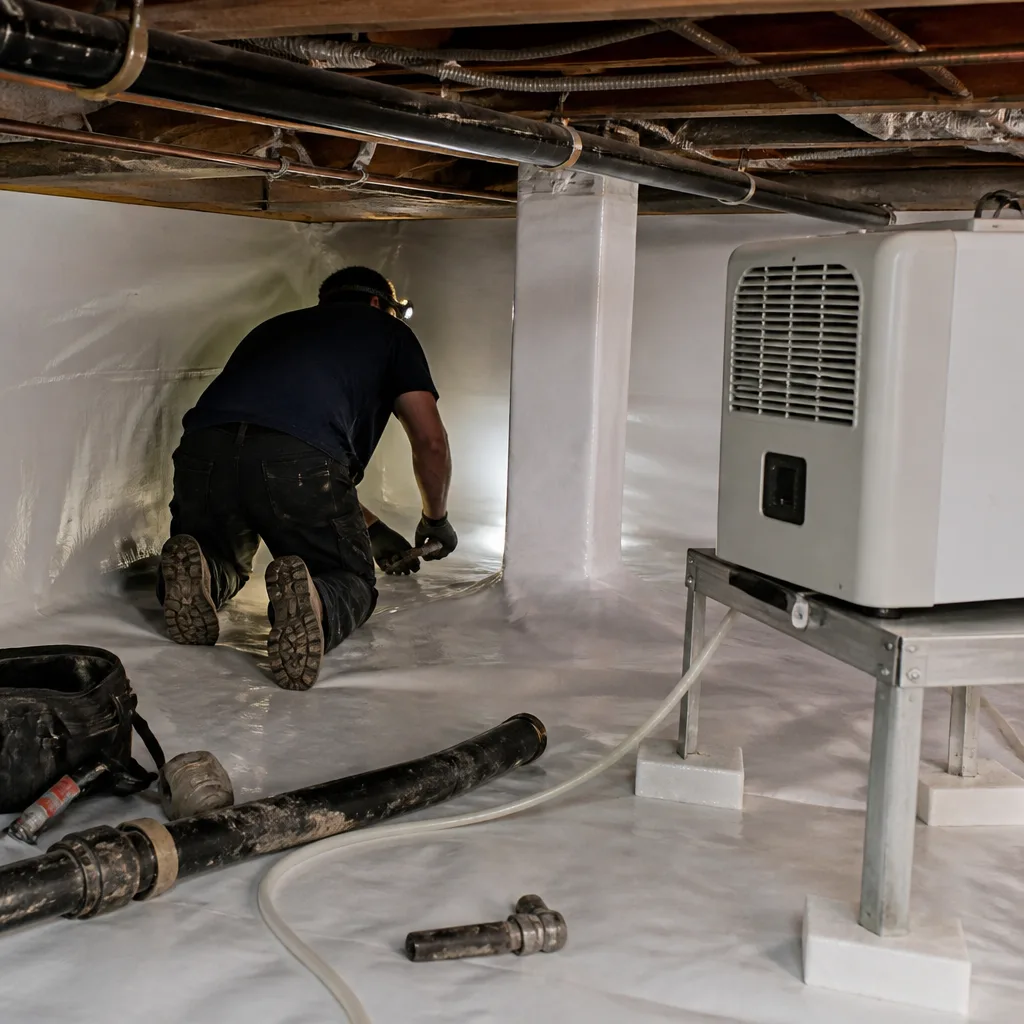
- Surface oxidation and dulling. Fresh radiant barrier has a mirror-bright finish; after 10-15 years in a Burbank attic hitting 140°F daily, aluminum oxidizes to a chalky gray. Emissivity degrades from 0.03 to 0.15 or higher, and the foil starts reflecting heat inward instead of outward. We check this with a simple visual during our attic assessment.
- Tears, sags, or rodent damage. Burbank’s roof rats and tree squirrels treat foil like nesting material. A single 6-inch tear creates a convection loop that nullifies the barrier effect across a 4×8 foot bay. We document this with photos for your record.
- Buried under blown-in insulation. Previous owners or uninformed contractors often blew fiberglass or cellulose directly over radiant barrier. The foil needs an air gap (minimum 3/4 inch) to function; burial converts a $3,000 radiant system into worthless shiny wallpaper. We find this in maybe 30% of Burbank attic inspections.
- Detached at rafter staples. Thermal cycling weakens staple legs. When foil pulls free, it flaps in attic ventilation airflow, eventually tearing or folding against itself. The barrier becomes a radiant conductor instead of a reflector.
- Hot ceiling patches in afternoon sun. This is the symptom homeowners notice first: infrared camera readings showing 10-15°F ceiling temperature variations where barrier has failed above. In Burbank’s south-facing master bedrooms, this turns sleep into a $400/month electric bill problem.
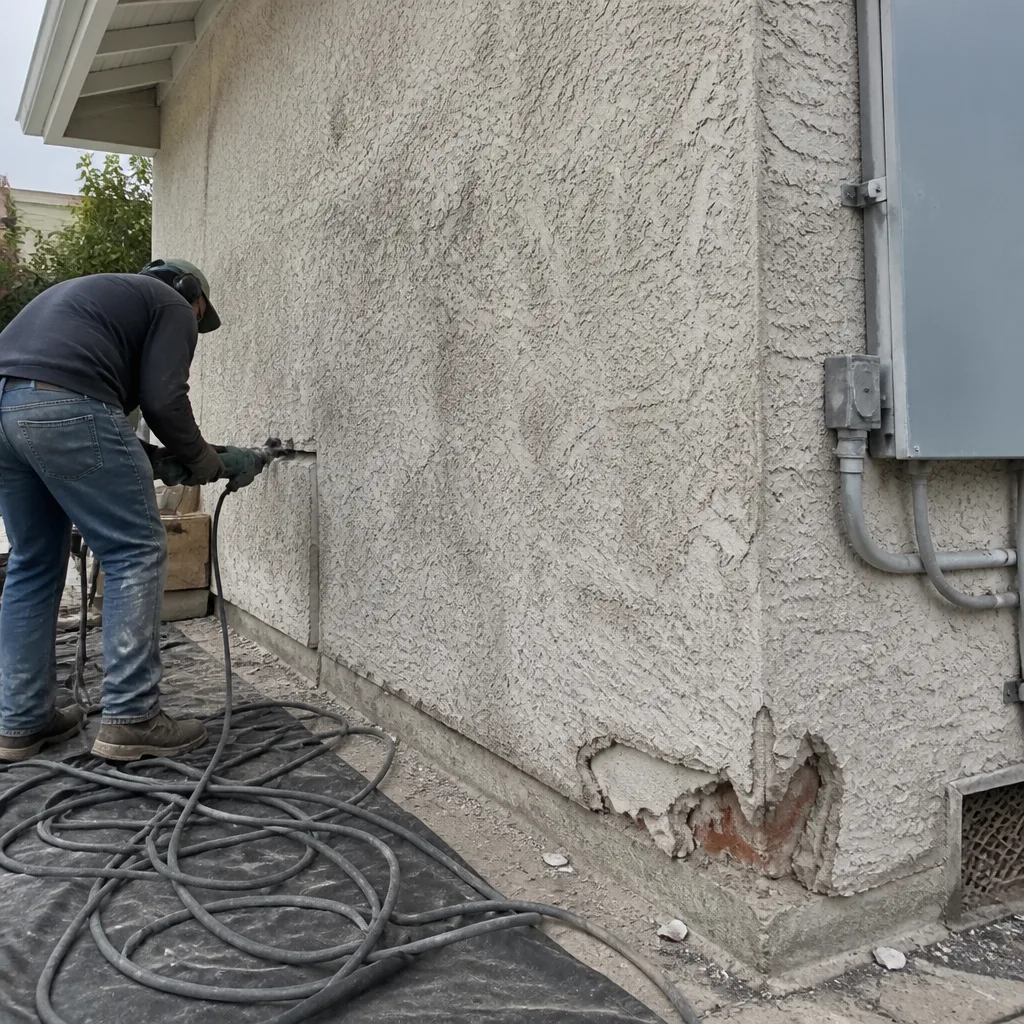 Before
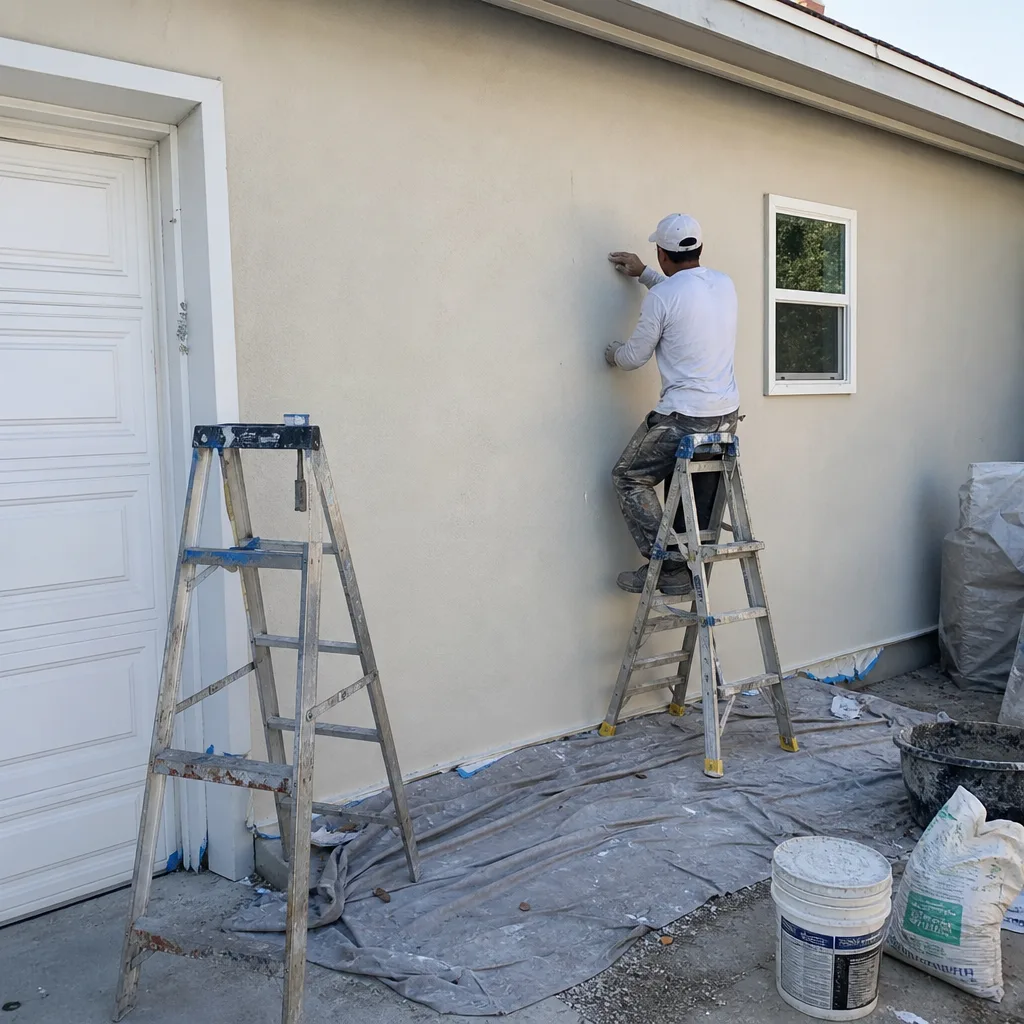 After
AfterReplacement Cost & What’s Included
Most Demilec-compatible radiant barrier replacements in Burbank run $2,800-$4,200 installed, with the spread driven by three factors: attic square footage, accessibility (truss spacing, ductwork obstructions), and whether we need to remove failed existing material or can overlay. Here’s how that breaks:
| Component | Price Range |
|---|---|
| Perforated radiant barrier foil (materials) | $0.75-$1.25/sq ft |
| Foil-faced rigid board (materials) | $1.50-$2.50/sq ft |
| Removal of failed existing barrier | $400-$800 |
| Air sealing prep (top plates, penetrations) | $600-$1,200 |
| Labor and installation | $1,200-$2,000 |
We never quote radiant barrier alone. Under The Haven Standard, air sealing precedes every installation - top plates, can light housings, plumbing and electrical penetrations - because a radiant barrier in a leaky attic is performance theater. Your written price includes the full scope, our 365-Day Done Right Promise, and a Documented Photo Record showing before condition, air-sealing detail, and finished installation. Where applicable, we provide before-and-after blower-door numbers so you can verify the envelope actually tightened.
DIY or Call Us?
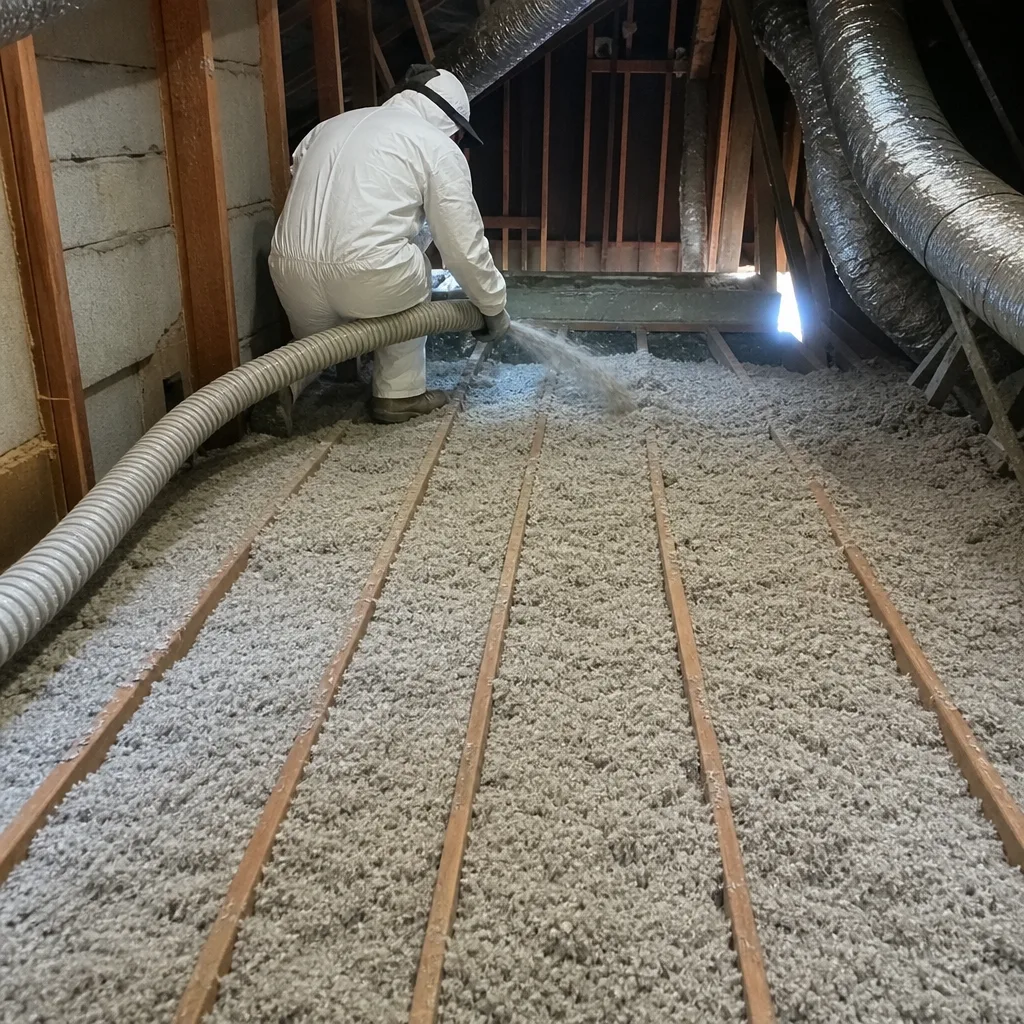
Here’s what you can safely check yourself: from the attic hatch, look for the bright reflective surface on your rafters or roof deck. If it’s dull, torn, or buried, you’ve confirmed the problem. A non-contact thermometer on your ceiling at 4 PM on a south-facing room will show 85-95°F if the barrier has failed.
Here’s where DIY goes wrong. Burbank attics in summer are 130-150°F environments with limited egress, exposed nails, and active electrical. Proper radiant barrier installation requires working across the full attic plane, maintaining proper air gaps, and integrating with existing Demilec foam without compromising the air seal. The R-value is what the label says. The performance is what the blower-door test says. We care about the second number. We’ve also seen homeowners staple foil directly to roof decking without the required gap, trapping moisture and rotting sheathing - a $8,000+ repair that started as a $200 Home Depot run.
Topside Attic Insulation Burbank is an independent service provider, not affiliated with Demilec. We source Demilec-compatible materials from the same supply chain, with no proprietary lock-in. Call (213) 816-1699 for a free estimate with written pricing before any work starts.
FAQs
Properly installed radiant barrier in a vented Burbank attic lasts 15-25 years, but performance degrades measurably after year 10 due to oxidation and dust accumulation. The specific lifespan killer here is Burbank’s combination of intense UV load through gable vents and fine particulate from the 5 Freeway corridor, which dulls reflective surfaces faster than coastal climates. Call (213) 816-1699 for an attic inspection and exact replacement timeline - estimates are free.
Small tears in otherwise bright, properly positioned foil can be patched with matching tape, but this is rarely cost-effective. Most failures we see in Burbank involve oxidation, burial, or multiple detachment points - conditions where patchwork leaves you with inconsistent performance and no warranty. Replacement with fresh material and proper air sealing is the only approach we back with our 365-Day Done Right Promise. Call (213) 816-1699 for a written scope and price.
A standard 1,500 sq ft Burbank attic takes one full day: morning for removal and air sealing, afternoon for installation and documentation. Larger attics or those with extensive HVAC ductwork obstructions may run into a second day. We don’t rush the sealing phase - that’s where the actual performance lives. You’ll get a text when the crew is en route and a photo record before we leave.
Yes - both perforated foil and foil-faced rigid board, in widths that match standard 16″ and 24″ Burbank framing. For unusual assemblies (cathedral ceilings, conditioned attics with specific Demilec foam thicknesses), we verify specs on-site and source overnight if needed. Same-day starts are standard for accessible attics with clear access.
Written by Wes Okafor, Owner & Lead Insulation Technician, Topside Attic Insulation Burbank at Topside Attic Insulation Burbank, serving Burbank and nearby areas.