
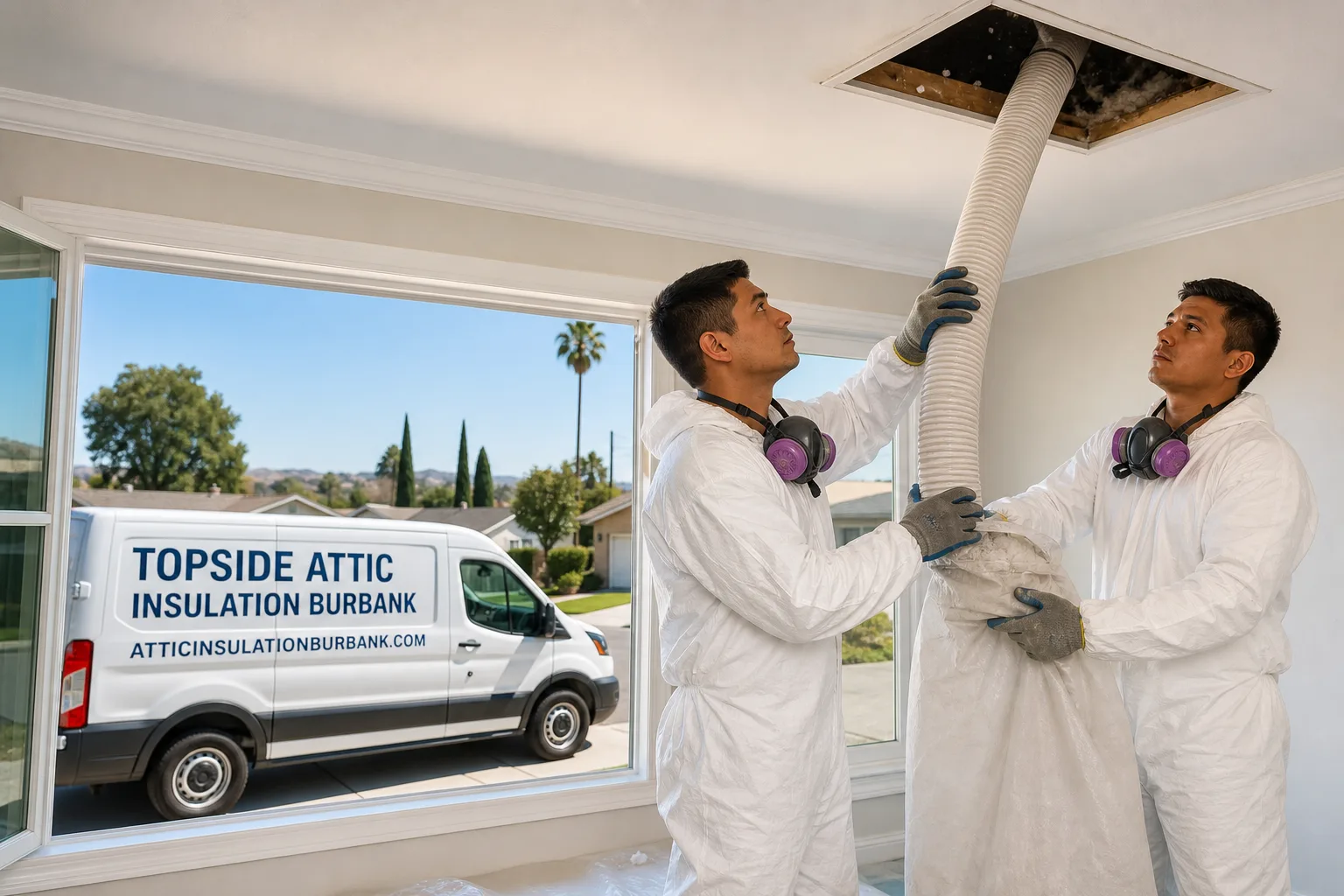
How Much Does Attic Air Sealing Cost in Burbank?
Attic Air Sealing services in Burbank, CA typically cost between $950 and $2,800 for a standard single-family home, with most jobs landing between $1,200 and $1,800 when the attic is accessible and the leakage points are concentrated at top plates and can lights. That range covers the labor, two-part spray foam or caulk for penetrations, and a blower-door test – a pressurization measurement that shows, in a single number, how much conditioned air the building envelope was losing before and after the work was done.
Homes in Burbank’s older hillside neighborhoods – Sunset Canyon, Rancho, parts of the Burbank Hills near Glenoaks Canyon – tend to fall at the higher end because attic access is often tighter, framing is irregular, and the volume of unsealed penetrations from mid-century remodels adds labor hours. Newer tract homes in the Magnolia Park area or near Burbank Town Center are usually more straightforward and price closer to the $950-$1,400 range.
Attic Air Sealing Cost Breakdown (2026)
The table below reflects what Burbank homeowners are paying in 2026. These are real market ranges – not national averages padded with “it depends.” Every Envelope Insulation Co. job starts with a written price before anyone lifts a tool, so you will have a flat number on paper before any work begins, not a range that shifts at the invoice stage.
| Line Item | Typical Range (Burbank, 2026) | Notes |
|---|---|---|
| Basic attic air sealing (top plates, rim joists, minor penetrations) – up to 1,200 sq ft of attic floor | $950 – $1,400 | Good access, newer construction, limited can lights |
| Standard attic air sealing (1,200 – 2,000 sq ft attic floor) including can lights, plumbing chases, HVAC penetrations | $1,400 – $1,900 | Most Burbank single-family homes fall here |
| Attic air sealing – larger or complex homes (2,000+ sq ft attic floor, multiple HVAC drops, difficult access) | $1,900 – $2,800 | Common in hillside homes, custom builds, split-level layouts |
| Blower-door test (before and after, with documented readings) | $250 – $450 | Included in all Envelope Insulation Co. applicable jobs; sometimes priced separately by other contractors |
| Recessed can light air sealing enclosures (per fixture) | $25 – $55 per can | Older Burbank homes often have 20-40+ uninsulated can lights; this line item adds up |
| Top-plate sealing (two-part spray foam, per linear foot of wall plate) | $3 – $7 per linear foot | A 1,500 sq ft footprint has roughly 500+ linear feet of top plate |
| Attic air sealing combined with blown-in insulation (same-day sequence) | $2,200 – $4,500 total | Sealing completed first, then insulation added – this is the only sequence Envelope will run |
| Attic air sealing with insulation removal first (if existing insulation must come out) | Add $800 – $1,800 to sealing cost | Required when rodent contamination or moisture damage is present |
What Drives the Final Number Up or Down
The single biggest variable in Burbank is the number of recessed can lights. A 1,970s ranch in Magnolia Park that had recessed lighting added during a 2000s renovation might have 35 or 40 unenclosed cans punching holes in the attic floor. At $30-$50 per fixture, that alone can add $1,000-$2,000 to a job before the crew touches a single top plate. When we walk an attic, we count them and put that number in the written price – no surprises at the end.
Attic access is the other Burbank-specific factor worth naming directly. Homes in the hills above Sunset Canyon Boulevard sometimes have scuttle hatches that are 18 inches square or less, and the knee-wall spaces between living area and sloped ceilings create secondary air-sealing zones that add labor. If a technician can’t stand upright and move efficiently, the job takes longer. That labor time is priced into your written estimate before the job starts, not discovered afterward.
Burbank’s climate adds pressure too. The San Fernando Valley regularly hits 100°F-plus in July and August, and when unconditioned attic air – sitting at 140°F-160°F in peak summer – is free to migrate through unsealed top plates, it overwhelms even a well-sized air conditioner. The air sealing job that costs $1,500 today typically pays back in reduced cooling load within two to four summers, depending on the home’s current leakage rate as measured by the blower-door reading.
What Affects Attic Air Sealing Pricing in Burbank
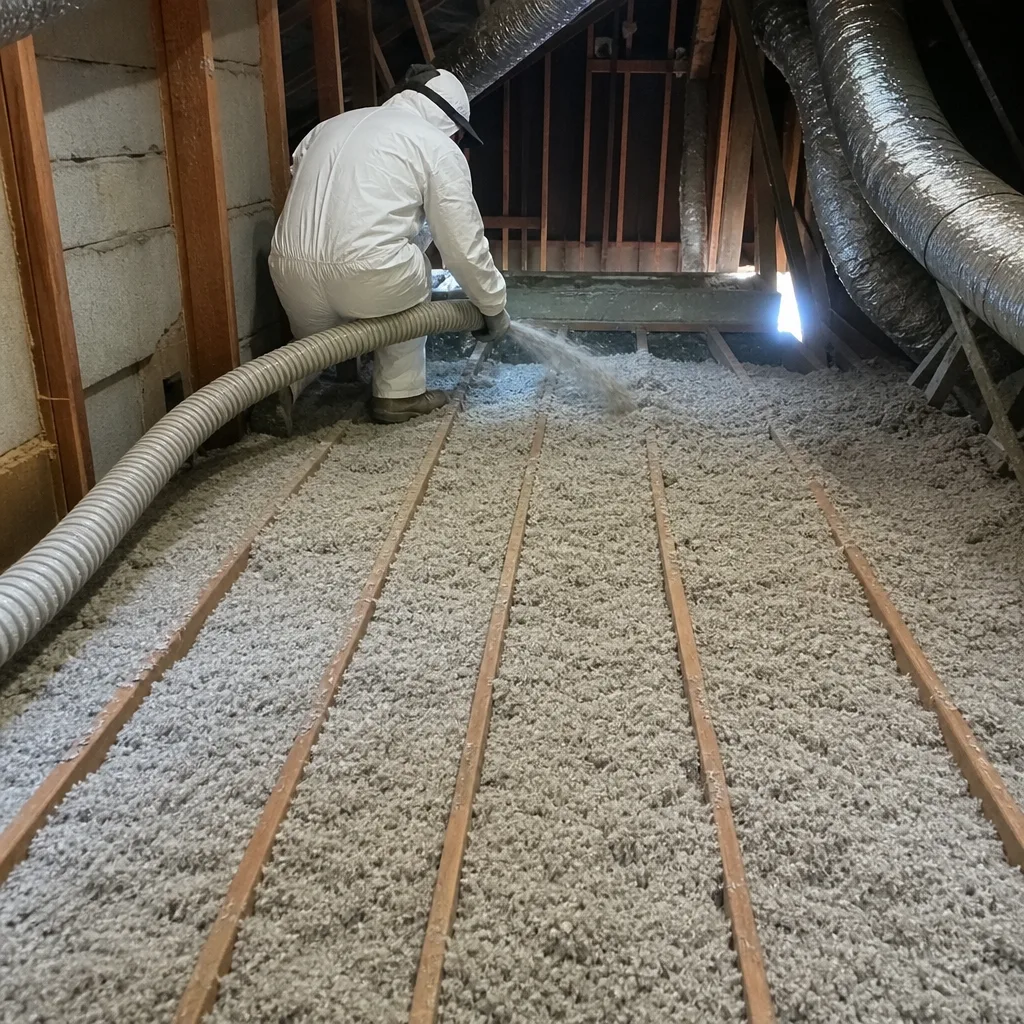
- Attic floor area and linear footage of top plates: Larger attic footprints mean more top plate to seal. A 2,400 sq ft Burbank home has a significantly longer run of wall top plates than a 1,100 sq ft bungalow, and two-part spray foam costs are largely proportional to linear footage covered.
- Number and type of recessed can lights: Unenclosed recessed fixtures are one of the worst air-leakage paths in Burbank’s 1960s-1990s housing stock. Each one needs to be capped with an airtight enclosure before it can be insulated over. Homes in the Rancho neighborhood and parts of West Burbank that went through kitchen and living room renovations in the 2000s tend to have the highest counts.
- HVAC configuration and duct penetrations: Many Burbank homes have central air systems with duct drops through the attic floor into interior walls. Each penetration – supply boots, return air chases, flue pipes – is a leakage point. A home with a single furnace and simple duct layout is faster to seal than one with a two-zone system and multiple chases.
- Attic access and working conditions: Standard pull-down stair access versus a fixed ladder versus a tight scuttle hatch changes how quickly materials and a technician can move. Attics below six feet of clearance require working in a crouched position, which slows the job. The hillside homes above Glenoaks Canyon Road regularly present this challenge.
- Whether existing insulation must be moved or removed first: Sealing must happen before insulation – that’s a fixed requirement, not a preference. If an attic already has blown-in insulation sitting over unsealed plates, that material has to be moved out of the way to reach the substrate. In cases involving rodent damage or moisture, full removal is necessary before sealing can begin, and that removal work is priced as a separate line item.
- Local permit and inspection requirements: Burbank falls under Los Angeles County jurisdiction for many energy code requirements, but the City of Burbank Building and Safety Division has its own permit requirements for certain scopes of work. Air sealing as part of a larger energy retrofit may require a permit and inspection. Your written estimate will specify whether a permit applies to your job and what that adds to the project cost.
- Whether a blower-door test is included or not: Some contractors skip the pre- and post-test entirely, which means you pay for air sealing but have no documented evidence that it worked. Envelope includes before-and-after blower-door readings on every applicable job as part of the documented record you receive when the crew leaves. If another contractor’s written estimate doesn’t include this, that’s worth asking about before you sign.
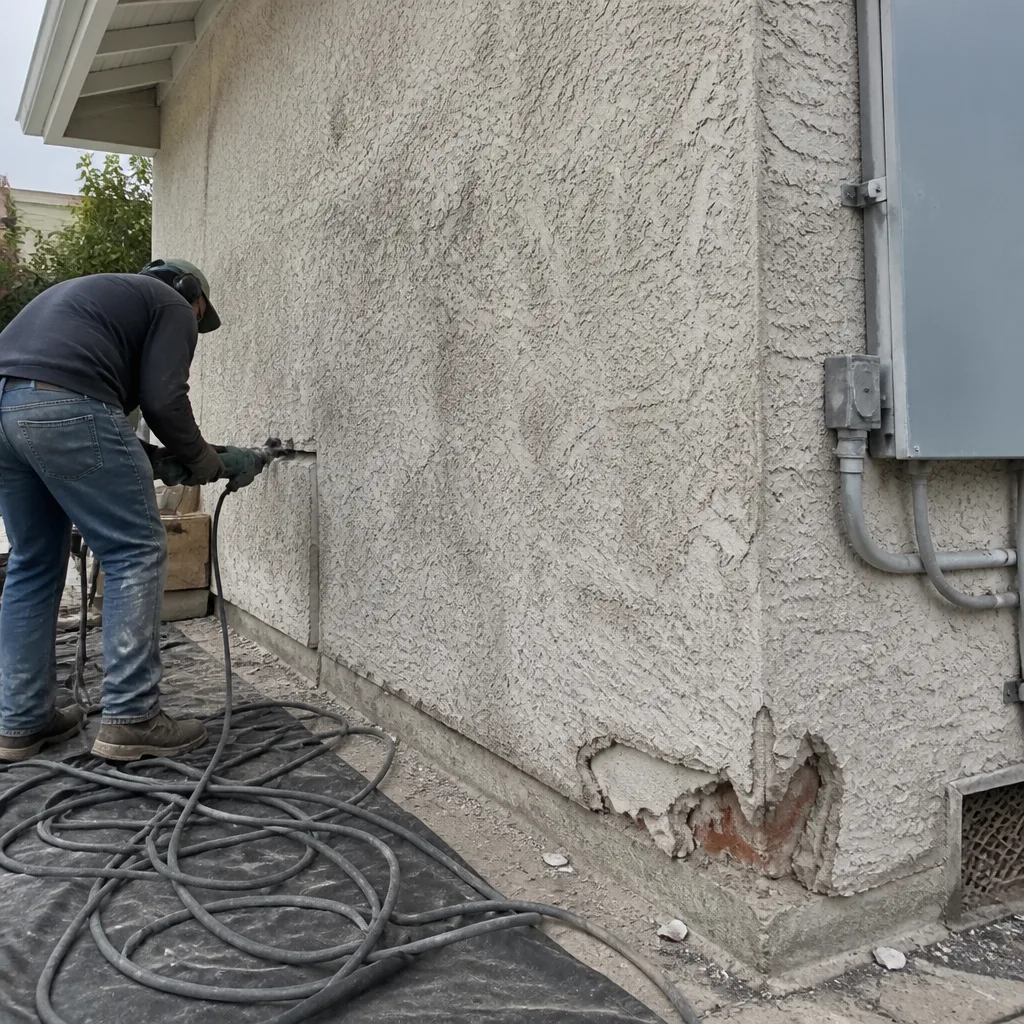 Before
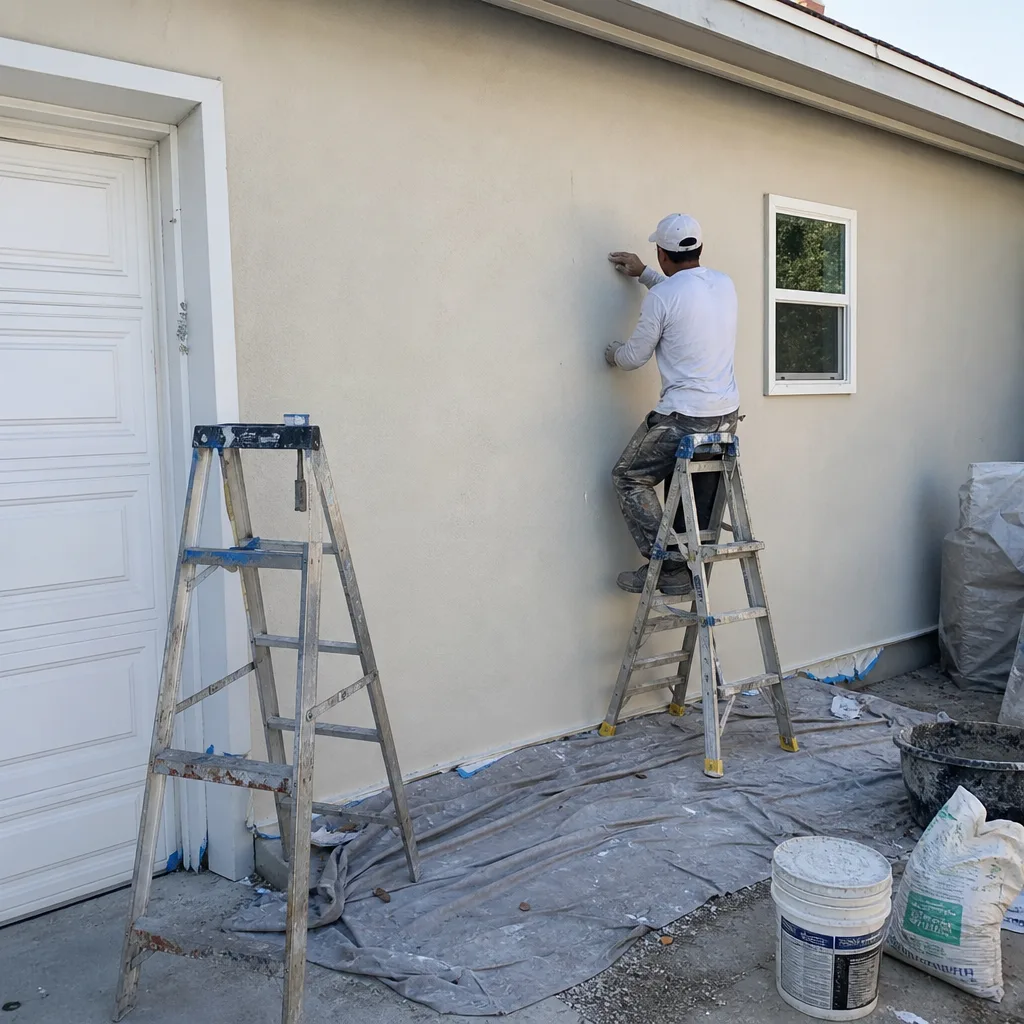 After
AfterHow to Save on Attic Air Sealing in Burbank
Combine Air Sealing with Insulation in a Single Visit
The most direct way to reduce per-project cost is to schedule attic air sealing and blown-in insulation on the same day. The crew is already in the attic, equipment is already on-site, and the mobilization cost is spread across both scopes. A job that would cost $1,600 for air sealing and $1,400 for insulation billed separately often comes in at $2,600-$2,900 as a combined visit – a meaningful difference. Envelope’s Attic Air Sealing in Burbank service is always sequenced before any insulation goes in, so combining them isn’t a shortcut; it’s just efficient scheduling.
Check for SoCalGas and LADWP Rebates Before You Book
Burbank residents are served by SoCalGas for heating and either Burbank Water and Power (BWP) or LADWP depending on their street address. Both BWP and LADWP run periodic rebate programs for air sealing and insulation upgrades that can offset $200-$600 of the project cost. The availability of those rebates changes by program cycle, so checking current offers before you schedule means you book at the right time. SoCalGas also offers weatherization incentives that apply to qualifying air sealing scopes. Ask for the rebate documentation as part of your estimate process – a rebate you didn’t know existed doesn’t help you.
Get a Free Second Opinion on Any Written Estimate
If another contractor has already given you a written quote, bring it to Envelope Insulation Co. and we’ll read it with you – line by line – at no charge. This is a standing offer under The Haven Standard, not a sales tactic. Sometimes competing estimates omit the blower-door test or the can-light enclosures, and the lower headline number doesn’t represent the same scope of work. Understanding what a quote actually covers is more useful than comparing headline prices.
Schedule Outside Peak Summer Demand
In Burbank and the wider San Fernando Valley, the sprint from late May through August produces a surge in attic service calls driven by cooling complaints. Scheduling your air sealing job in February, March, or October typically means faster booking windows and, in some cases, more flexibility on scheduling preferences. The air sealing itself isn’t seasonal work – the attic floor is equally accessible year-round – but demand patterns do affect lead times.
Don’t Skip the Blower-Door Test to Cut Costs
Some contractors will offer to remove the pre- and post-test to lower the bid. Resist that. A blower-door test – the pressurization reading that measures, in a single CFM50 number, how much air your envelope is losing – is the only way to know whether the work actually performed. A sealed attic that reads 3,800 CFM50 before and 1,950 CFM50 after is a result you can document and verify. Paying for air sealing without that measurement is paying for a service you can’t confirm was delivered.
For a written price on your specific home, call (213) 816-1699. The estimate is free, and the price you receive will be flat and written before anyone enters your attic.
Is Attic Air Sealing Worth the Cost in Burbank?
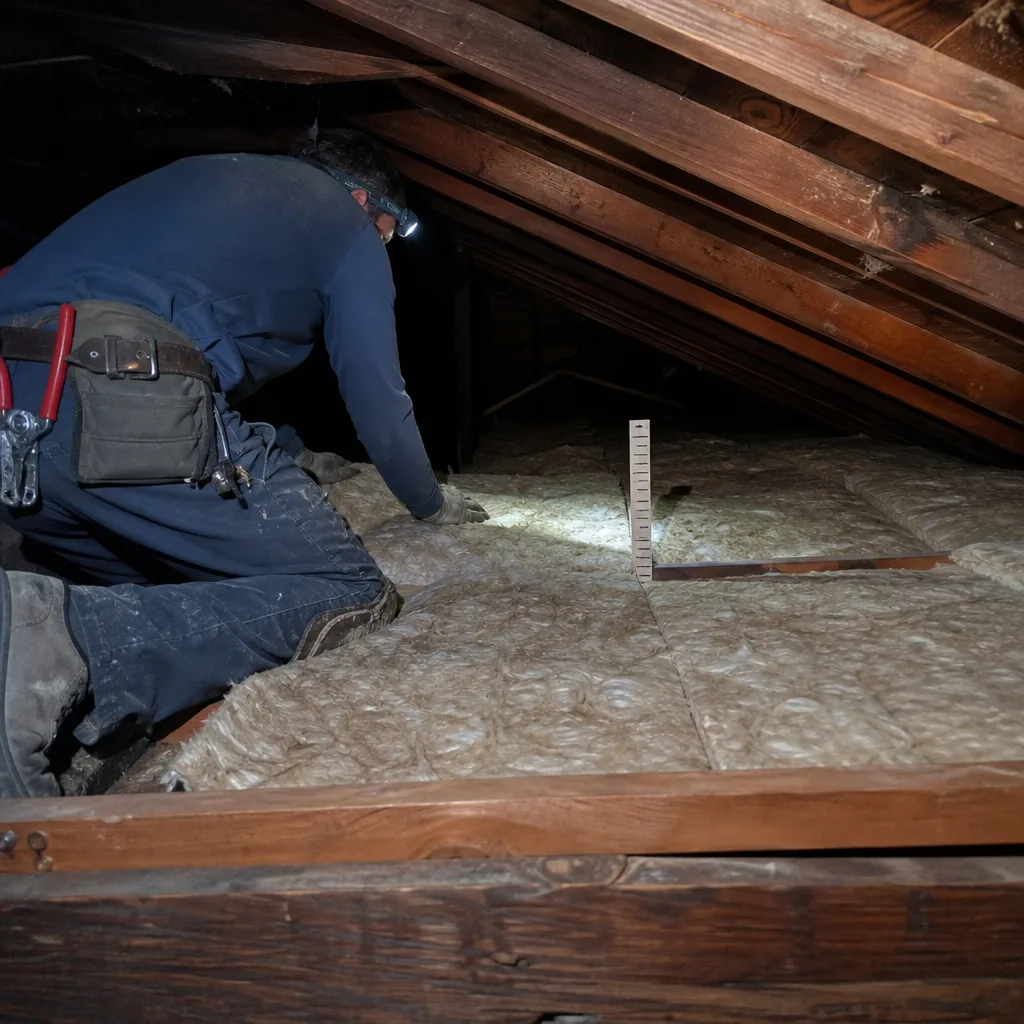
Burbank’s climate makes this question easier to answer than it is in most California markets. The San Fernando Valley sits in a thermal bowl. Summer heat is intense and sustained, and attic temperatures regularly reach 150°F-160°F during July heat events. A home with an unsealed attic floor is continuously drawing that heat into the conditioned space through convection – a process that runs whether your air conditioner is on or not, and that your AC is always fighting. The blower-door readings we’ve documented on Burbank jobs consistently show ACH50 values – air changes per hour at 50 pascals of pressure – in the range of 8 to 14 on homes that have never had air sealing work done. That figure drops to the 4-7 range after a thorough sealing job, which translates directly into reduced cooling load during the hours when electricity costs most.
There’s also a comfort argument that shows up in customer feedback more consistently than the utility-bill math: the rooms that used to feel stuffy or hard to cool – often the back bedrooms or upper floors in two-story homes – become noticeably more even after the attic floor is sealed. That’s the stack effect being interrupted. Hot air rising through the attic floor pulls replacement air in through every low-side penetration, and stopping that cycle changes the way the house feels, not just what the meter reads.
Across the 9,000-plus homes Envelope Insulation Co. has sealed and insulated since 2016, the pattern is consistent: homes in hot inland markets like Burbank, where the cooling season runs from April through October, tend to show the clearest return on air sealing investment. A $1,500 job that reduces cooling load by 15-20% on a home paying $280-$350 in monthly summer electricity bills pays for itself in three to four seasons.
What the Air Sealing Process Looks Like, Step by Step
1. Blower-Door Test (Before)
Before any sealing begins, the technician sets up the blower-door apparatus in an exterior doorframe, depressurizes the home to 50 pascals, and records the CFM50 reading – the cubic feet per minute of air moving through the building envelope at test pressure. This is the baseline number that your documented record will show as the “before” measurement. In Burbank, older homes that have never been sealed typically read between 3,500 and 6,000 CFM50 depending on size and construction era.
2. Attic Inspection and Penetration Mapping
The technician walks the attic floor and identifies every penetration category: top plates at interior and exterior walls, recessed can light fixtures, plumbing vent stacks, electrical conduit penetrations, HVAC boot gaps, chimney chases (a significant leakage source in Burbank’s mid-century homes with decorative fireplaces that were later gas-converted), and attic hatch perimeters. These get counted, photographed, and documented before sealing starts.
3. Air Sealing
Two-part spray foam is applied to top plates and large gap areas. Caulk or fire-rated caulk (where code requires it near flues or electrical) is used for smaller gaps and penetrations. Recessed can lights receive rigid airtight enclosures sealed at the base. This is physical, labor-intensive work – not a spray-and-go process. A thorough sealing job on a 1,600 sq ft Burbank ranch takes three to five hours depending on penetration density.
Important safety note: if your attic has a gas flue, water heater vent, or furnace exhaust running through it, those components require careful clearance management during air sealing. Sealing around combustion appliance flues incorrectly can create a backdrafting hazard. Envelope technicians are trained on clearance requirements, and if your attic has combustion appliances venting through it, that configuration will be noted in your written scope before work begins.
4. Blower-Door Test (After)
After sealing is complete, the blower-door test is run again at the same 50-pascal pressure. The CFM50 reading is recorded and compared to the baseline. A well-executed sealing job on a Burbank home typically reduces the reading by 30-50%. Both numbers – before and after – are documented in the photo record that leaves with you when the crew does.
5. Insulation (If Included in Scope)
Only after the air sealing is confirmed complete does insulation go in. Envelope will not blow insulation over an unsealed attic floor. The sequencing is a hard requirement, not a preference – insulation that sits on top of air leaks still allows conditioned air to move through the building envelope; it just moves through it more slowly and with slightly more resistance. Sealing first, then insulating, is the only order that produces a documented and verifiable result.
Burbank-Specific Factors Worth Knowing
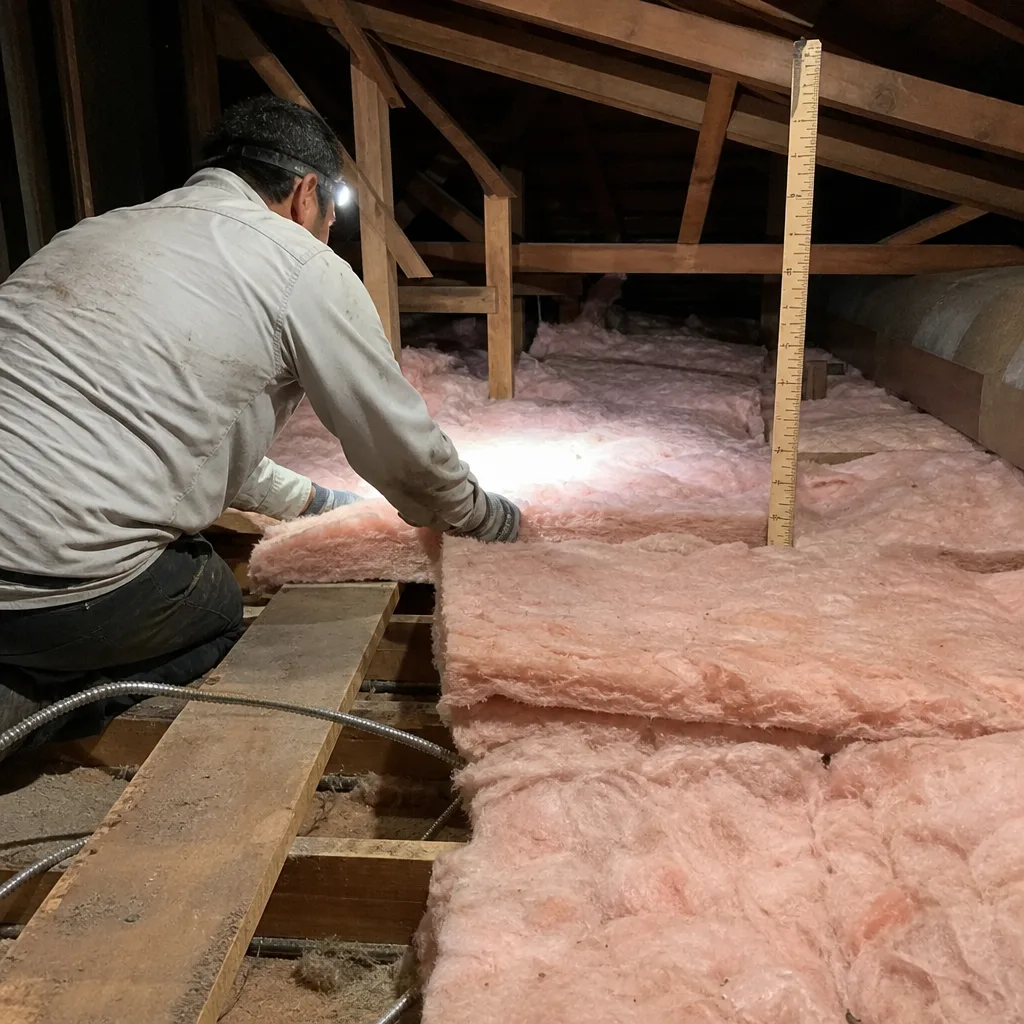
Burbank’s housing stock is heavily weighted toward homes built between 1945 and 1985. That era of construction used framing methods – balloon framing in some of the older Magnolia Park blocks, platform framing in the post-war tracts near the airport – that create specific air-leakage patterns. Interior wall top plates in balloon-framed homes connect directly to the attic in ways that platform framing doesn’t, and those open bays become significant air pathways that require extra foam to close.
Burbank also has a significant population of homes with original single-pane windows and minimal wall insulation. When a homeowner asks whether attic air sealing alone will solve their comfort problems, the honest answer is: it will help significantly, but the building envelope is a system. If the attic floor is sealed and properly insulated and the windows are still unaddressed, the attic work still delivers its full benefit – you’re just not getting the window benefit yet. Envelope’s home energy audits can document the relative contribution of each component so you can prioritize spending.
City of Burbank Building and Safety is responsive compared to some neighboring jurisdictions, but permit review timelines for energy retrofit scopes can run one to three weeks. If your project scope triggers a permit requirement, build that into your scheduling expectations. Your written estimate will specify whether a permit is needed and what the review timeline looks like for your specific scope.
Attic Air Sealing vs. Just Adding Insulation: What Burbank Homeowners Get Wrong
This is the most common misunderstanding we see in Burbank attics. A homeowner gets an energy bill that’s too high, calls a contractor, and is told they need more insulation. The insulation goes in over whatever is already there – sometimes over loose-fill that has settled to R-6 or R-8 after twenty years – and the energy bills improve slightly but not dramatically. The house still feels uncomfortable on peak July afternoons.
The reason: insulation slows the transfer of heat through a material. Air sealing stops the movement of air through gaps. They are different physical mechanisms solving different problems. A home with R-38 insulation and unsealed top plates is still moving hundreds of cubic feet of conditioned air per minute through the attic floor. You can’t insulate your way out of an air leakage problem. The blower-door number is the measurement that proves it – and the reason Envelope runs that test before and after every applicable job rather than assuming the work performed.
The home page for Envelope Insulation Co. describes the full building-envelope service line if you’re trying to understand where attic air sealing fits relative to insulation, radiant barrier, or crawl space work. They are related but distinct services with different cost structures and different performance mechanisms.
FAQs – Attic Air Sealing Cost in Burbank
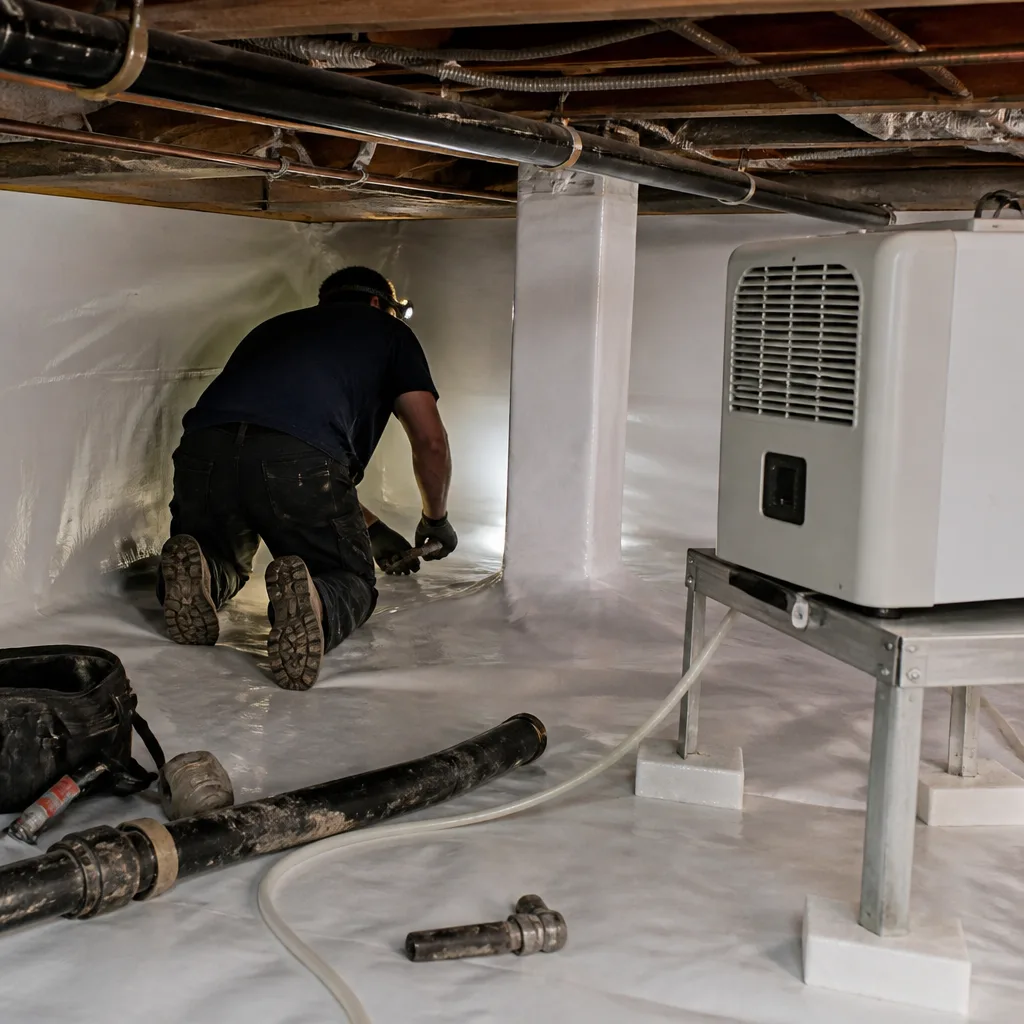
How much does attic air sealing cost in Burbank, CA in 2026?
Most Burbank homeowners pay between $950 and $2,800 for attic air sealing, with the middle of the range – $1,200 to $1,900 – covering the majority of standard single-family homes. The specific number depends on attic size, number of can lights, HVAC penetrations, and access conditions. Homes in the Burbank Hills with tight attic access and irregular mid-century framing tend to run $1,800-$2,800. Newer homes in the Magnolia Park flats or near the Media District typically land between $950 and $1,500. Call (213) 816-1699 for a written, flat price on your specific home – the estimate is free.
Is attic air sealing worth it in Burbank’s climate?
Yes, and the evidence is in the blower-door numbers. Burbank’s San Fernando Valley location produces sustained summer heat that pushes attic temperatures to 150°F-160°F. An unsealed attic floor continuously moves that heat into the conditioned space. Homes we’ve tested in Burbank before sealing typically read 3,500-6,000 CFM50 at the blower door; after a full sealing job, that number drops to 1,800-3,500 CFM50. That reduction translates directly to a lower cooling load during the months when Burbank electricity costs are highest. Most homeowners in similar climate conditions see payback within three to four cooling seasons.
Can attic air sealing be done the same day as insulation installation?
Yes, and that’s the most efficient way to schedule it. Sealing and blown-in insulation can be completed in a single crew visit, which reduces mobilization cost and total project price compared to scheduling them separately. The sequence is non-negotiable: air sealing is completed and confirmed before any insulation goes in. Envelope will not blow insulation over an unsealed attic floor. On a same-day combined job, the blower-door test runs after sealing is complete and before the insulation crew starts – that sequence is documented in the photo record that leaves with you at job completion.
What does attic air sealing include, and what’s billed separately?
A complete attic air sealing job includes two-part spray foam at top plates, caulk or fire-rated sealant at smaller penetrations, recessed can light enclosures at each fixture, and sealing at HVAC boots, plumbing vent stacks, and electrical penetrations. Before-and-after blower-door readings are included on every applicable Envelope job – not priced as an add-on. Items that are typically billed separately include insulation removal (if existing material must come out before sealing), permit fees (when the scope triggers a City of Burbank permit requirement), and attic cleaning or rodent proofing if that work is also needed. Your written estimate will break every line item out before any work starts – no bundled pricing that obscures what you’re paying for.
How do I know the air sealing actually worked?
The blower-door test is the answer. Before sealing, the technician runs a pressurization test and records your home’s CFM50 number – the cubic feet per minute of air moving through the envelope at 50 pascals of pressure. After the sealing is complete, the test runs again. Both numbers are documented and included in the photo record you receive when the crew leaves. A successful sealing job reduces the CFM50 reading by 30-50% in most Burbank homes. If another contractor’s estimate doesn’t include a pre- and post-test, you have no documented way to verify the work performed. That’s a gap worth asking about before you sign.
Does attic air sealing in Burbank require a permit?
It depends on the scope. Standalone air sealing work typically does not require a City of Burbank permit. When air sealing is part of a larger energy retrofit that includes insulation above a certain R-value threshold or involves work near combustion appliance flues, a permit may be required under California Title 24 compliance or local building code. Your written estimate will specify whether a permit applies to your scope and what that adds to the timeline and cost. Envelope handles the permit documentation when it’s required – you don’t need to navigate City of Burbank Building and Safety on your own.
Key Takeaways
- Attic air sealing in Burbank costs $950-$2,800 in 2026, with most jobs landing in the $1,200-$1,900 range.
- Recessed can lights and attic access difficulty are the two biggest cost variables specific to Burbank’s housing stock.
- Before-and-after blower-door readings are the only objective way to verify the work performed – not all contractors include them.
- Air sealing and insulation must be sequenced in that order. Insulation over an unsealed attic floor does not solve an air leakage problem.
- Burbank Water and Power and SoCalGas both offer rebate programs that can offset $200-$600 of project cost – check availability before booking.
- Every Envelope Insulation Co. job begins with a written, flat price and ends with a documented photo record and blower-door data. Under Haven Standard Clause 1, no work starts without that written price in hand.
- The 365-Day Done Right Promise applies to all completed work: if it’s not done right, it gets made right, backed by a written warranty delivered before the crew starts.
Get a Written Price for Your Burbank Home
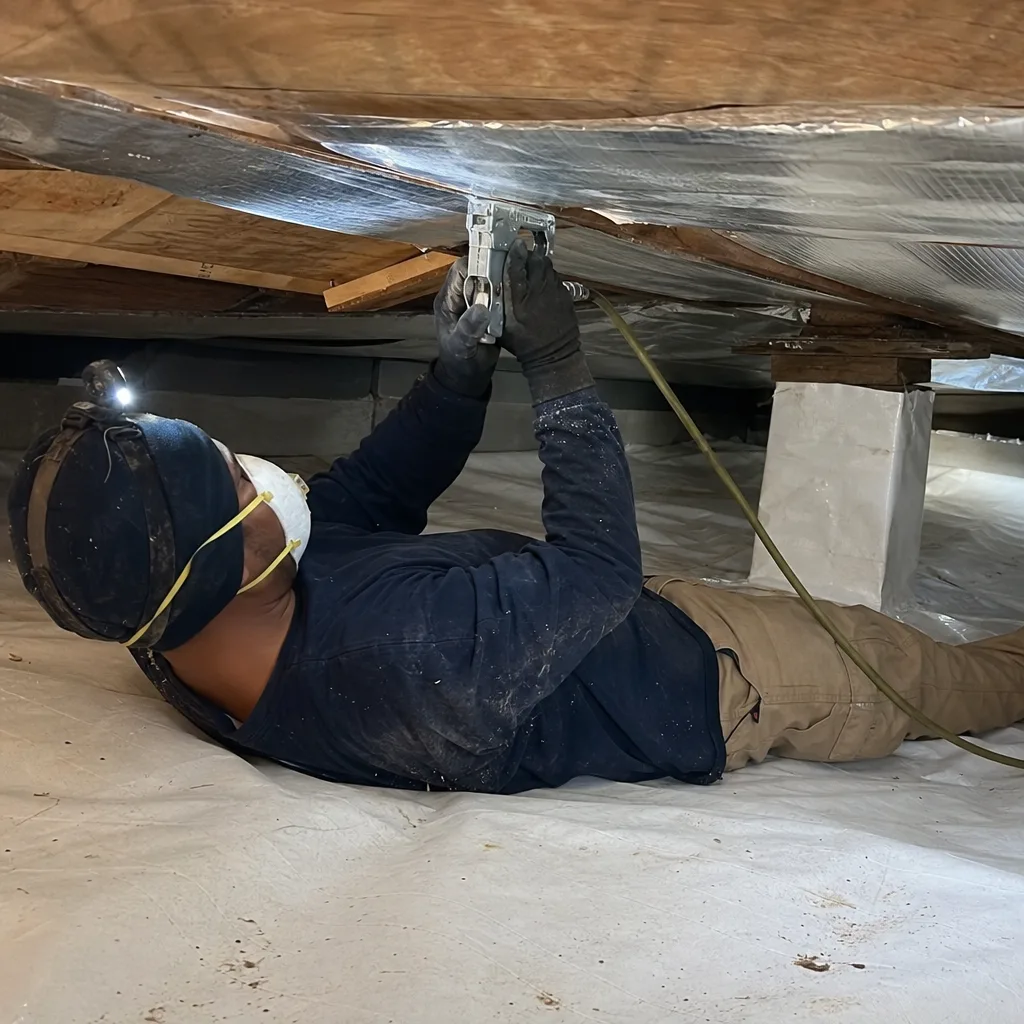
If you’re ready to stop estimating and start with a flat, written number for your specific attic, call Envelope Insulation Co. at (213) 816-1699. The estimate is free. You’ll receive a written scope, a written price, and a written warranty before anyone enters your attic. If you already have a written estimate from another contractor, bring it – we’ll read it with you line by line at no charge, under The Haven Standard’s Free Second Opinion offer.
Wes Okafor and the Envelope Insulation Co. team have documented before-and-after blower-door readings on attic sealing jobs across Burbank – Magnolia Park, Rancho, the Burbank Hills, Sunset Canyon, and the older blocks near Downtown Burbank – since 2016. The number on your blower-door report after the job is the measure of what was delivered. That’s the standard every job is held to.
Written by Wes Okafor, Owner at Envelope Insulation Co. (operating as Topside Attic Insulation Burbank), serving Burbank, CA since 2016.
Pricing reflects the Burbank market as of 2026. Topside Attic Insulation Burbank offers free estimates – call (213) 816-1699.
What Our Customers Say
"They photographed rodent damage in the old insulation that we had no idea about, and priced the exclusion work separately so we could decide."
- Harriet N."Fixed price, clean work, and they hauled the old material away as agreed."
- Todd M."The winter gas bill dropped by about a third. They had estimated a quarter, so they under-promised."
- Genevieve R.