
Crawl Space Insulation in Burbank, CA
Crawl space insulation in Burbank typically runs between $1,800 and $4,200 depending on square footage, access conditions, and whether existing material needs to come out first. Most jobs in a standard single-story Burbank home with a 1,000-1,400 sq ft crawl space are completed in one day, and every job at Topside Attic Insulation Burbank starts with a written price before anyone touches a tool.
If your floors feel cold in January or warm in August, your HVAC runs longer than it should, or you’ve noticed musty air drifting up through your floorboards, the crawl space is almost always part of the story. Burbank sits in a basin that traps heat in summer and draws in cool, damp air from the San Fernando Valley floor in winter – conditions that punish a poorly insulated crawl space year-round. We’ve been assessing and insulating crawl spaces across Burbank since 2016, and in that time we’ve seen the same pattern in neighborhoods from Magnolia Park to the Rancho area: fiberglass batts installed directly against a bare dirt floor, no Crawl Space Encapsulation & Vapor Barrier, no air sealing at the rim joists, and no documentation of what was ever put in. This page explains what we do differently and what it costs.
Crawl space insulation is one piece of a larger envelope problem. If you’re also weighing moisture control or encapsulation, our full Crawl Space Encapsulation & Vapor Barrier in Burbank page walks through how sealing and insulating work together – and why we won’t do one without addressing the other. You can also reach us directly at (213) 816-1699; a live person answers, no voicemail.
When You Need Crawl Space Insulation
Not every Burbank homeowner knows their crawl space insulation is the problem. Here are the situations where we’re called in most often:
- Floors that don’t match the thermostat. You set the heat to 70°F and the hardwood in your living room still feels cold underfoot. In Burbank’s older Craftsman and ranch-style homes – particularly those built before 1978 in the Rancho and Elmwood areas – floor insulation is often missing entirely or has collapsed and dropped away from the subfloor.
- High energy bills relative to similar homes. If your gas and electric costs run noticeably higher than neighbors in comparable square footage, an uninsulated or under-insulated crawl space is one of the first things we check. Conditioned air seeping through an uninsulated floor assembly is money leaving the building every hour.
- Musty or humid air inside the home. Burbank’s summers are dry, but the crawl space soil still releases moisture. Without a vapor barrier and insulation working together, that moisture migrates up into the living space and can show up as musty odors, condensation on windows, or elevated interior humidity readings.
- Existing insulation that’s wet, moldy, or fallen. Fiberglass batts that have absorbed moisture lose most of their thermal value. They also hold that moisture against the wood framing long enough to create rot conditions. We see this regularly in Burbank crawl spaces that flooded – even partially – during past wet seasons.
- Post-rodent remediation. Rats and mice nest in fiberglass crawl space insulation, compress it, saturate it with urine, and reduce it to near-zero performance. After a rodent exclusion or attic cleaning job, the insulation almost always needs to come out and start fresh. We handle removal and replacement as part of the same scope.
- Preparing for an HVAC replacement or upgrade. If you’re installing a new system, putting it into a crawl space with poor envelope performance means the equipment is working against physics from day one. Insulating first means the new system is sized and operating against a real load, not a leaky one.
Our Crawl Space Insulation Process
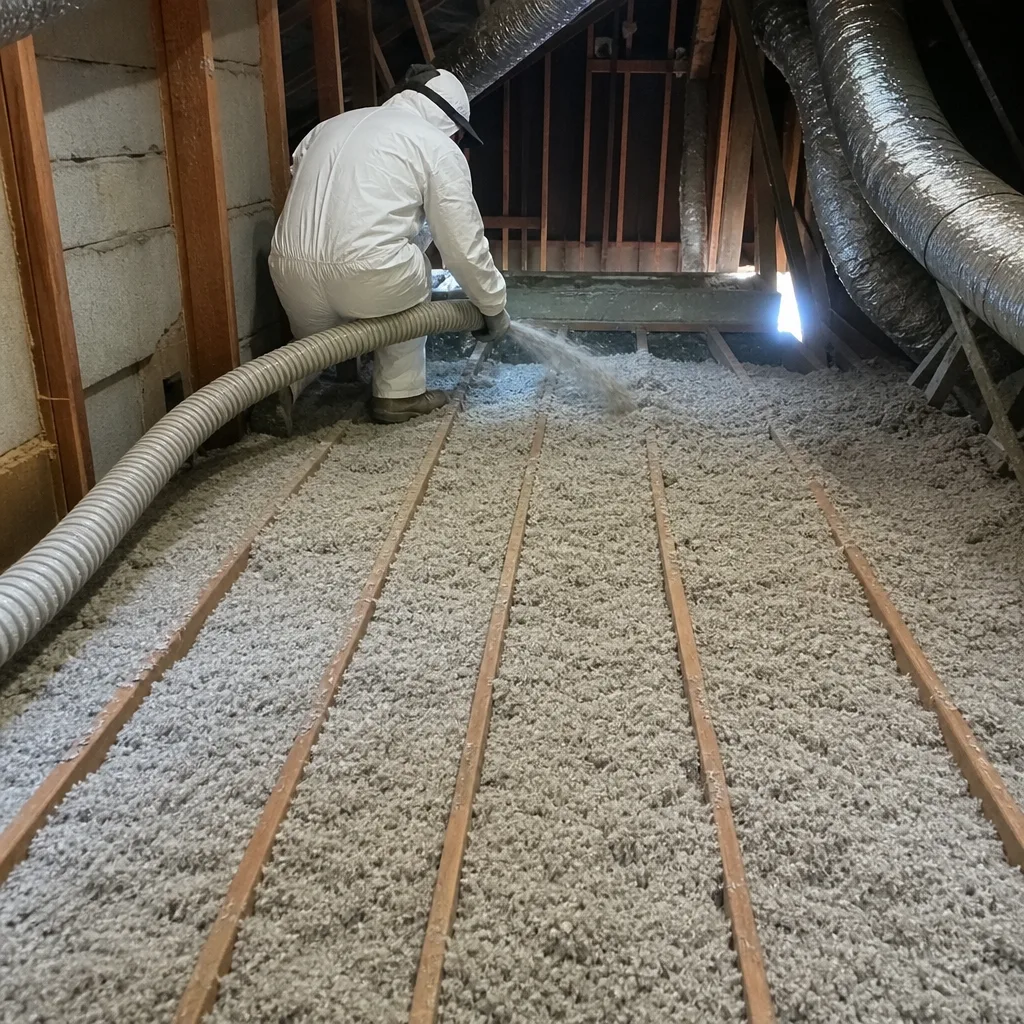
The sequence matters as much as the materials. We follow the same order on every job because cutting steps creates callbacks.
- Written scope and price before we start. Under Haven Standard Clause 1, you receive a flat written price and a documented scope of work before any crew member enters the crawl space. No “we’ll know more once we’re in there” pricing. The number you approve is the number you pay.
- Full crawl space assessment with photos. We photograph the existing conditions before anything is disturbed – existing insulation state, vapor barrier condition, rim joist gaps, any standing moisture or pest evidence. You receive this Documented Photo Record as part of your job file. In Burbank crawl spaces, we’re specifically looking at how the space connects to the foundation stem wall and whether the subfloor shows any signs of moisture damage from prior wet seasons.
- Air sealing at rim joists and penetrations – before any insulation goes in. This is the step most contractors skip. Rim joists – the framing members that run along the perimeter of your foundation – are one of the largest sources of conditioned air loss in a crawl space. We seal those gaps, along with any plumbing and wiring penetrations through the subfloor, using spray foam before any insulation material is added. Insulating over an unsealed rim joist is like caulking over a crack you didn’t fill: it looks finished and performs poorly. Envelope Insulation Co. does not blow or install insulation over an unsealed crawl space – air sealing is a hard prerequisite, not an upsell.
- Removal of existing insulation if needed. If the existing material is wet, pest-contaminated, or has separated from the subfloor, it comes out first. We bag and dispose of it properly. Leaving compromised insulation in place and adding new material over it doesn’t solve the problem – it buries it.
- Installation of new insulation to current California code. For most Burbank crawl spaces with a vented configuration, we install Johns Manville or Owens Corning unfaced fiberglass batts friction-fit between floor joists to meet or exceed California Title 24 requirements for Climate Zone 9 – which Burbank falls into. For conditioned (sealed) crawl spaces, we apply closed-cell spray foam to the foundation walls and rim joists to the appropriate thickness. The product and R-value are documented in your written scope.
- Final documentation and walkthrough. Before we leave, you receive the completed Documented Photo Record showing the finished installation, the written warranty, and – on applicable jobs – any blower-door readings taken before and after air sealing work. That last number is the one that shows you the actual performance change, not just our word that we did good work.
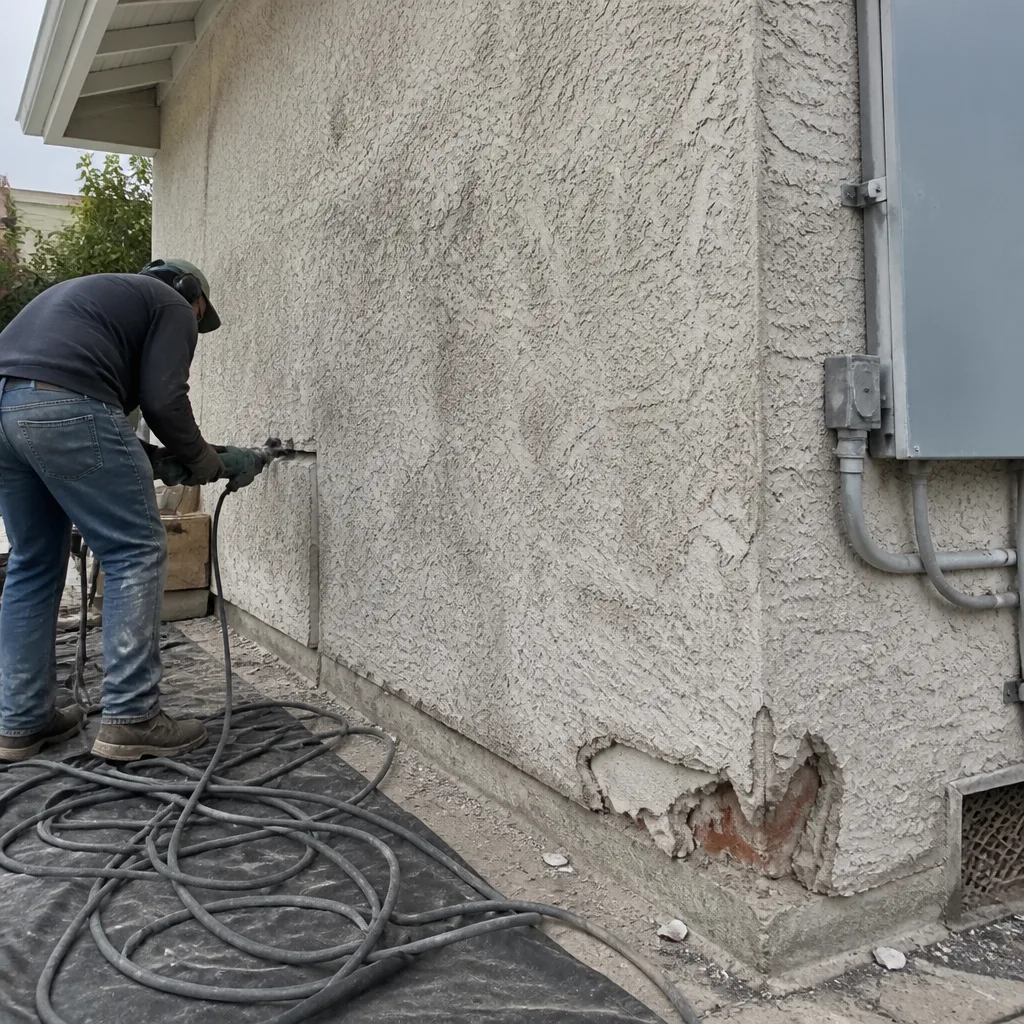 Before
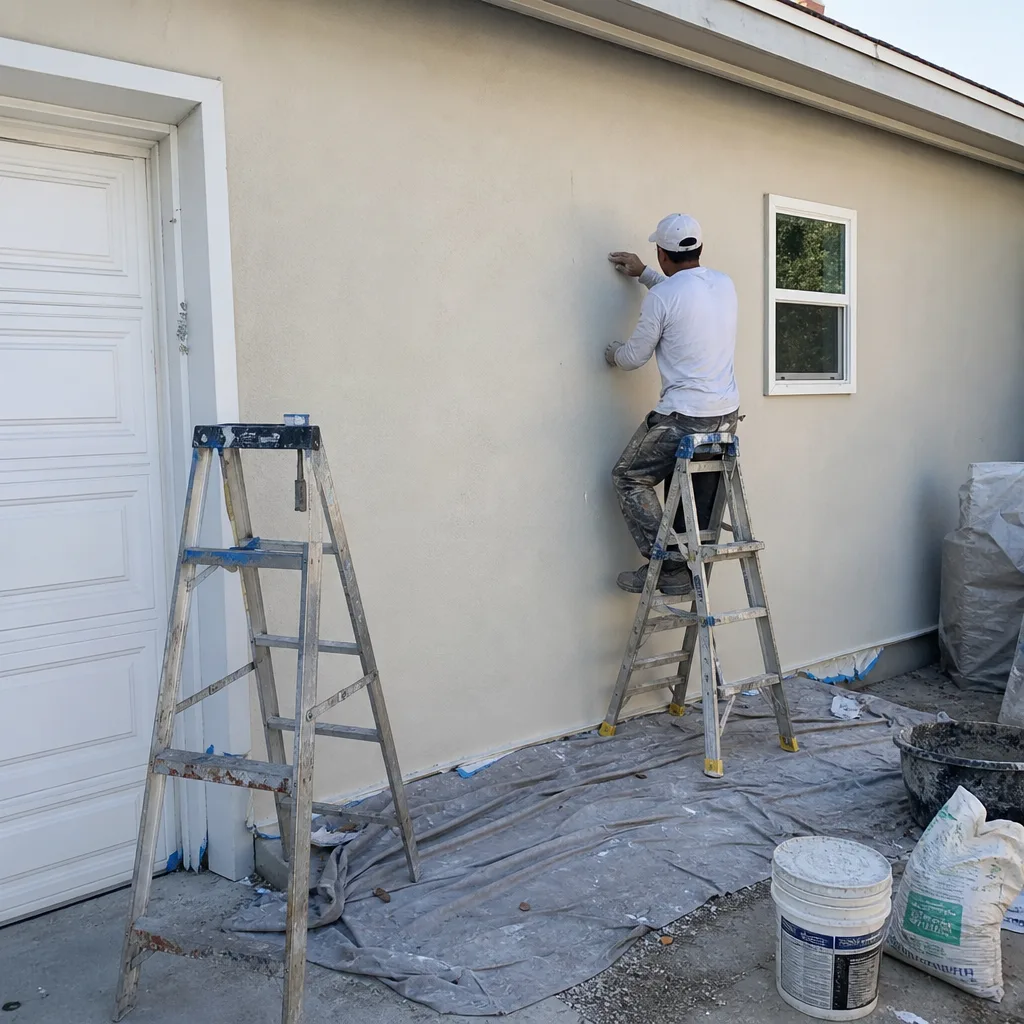 After
AfterCrawl Space Insulation Pricing in Burbank
Crawl space insulation costs in Burbank depend on four main variables: the square footage of the crawl area, access difficulty, whether existing insulation needs to come out, and the insulation type specified. Here are the ranges we see most often:
| Scope | Typical Range (Burbank Market) |
|---|---|
| Fiberglass batt installation only (no removal), up to 1,000 sq ft crawl | $1,800 - $2,600 |
| Fiberglass batt installation only, 1,000-1,800 sq ft crawl | $2,400 - $3,400 |
| Removal of existing material + re-insulation, up to 1,000 sq ft | $2,600 - $3,600 |
| Removal + re-insulation, 1,000-1,800 sq ft | $3,200 - $4,200 |
| Closed-cell spray foam at rim joists and foundation walls (conditioned crawl) | $1,200 - $2,800 added to base scope |
| Air sealing at rim joists and subfloor penetrations (added to any scope) | $400 - $900 |
A few things drive cost up from the low end: limited-height crawl spaces under 24 inches require more labor time; Burbank homes built on sloped lots in the Verdugo Woodlands or near the 134 corridor sometimes have crawl spaces with multiple level changes that add complexity; and older homes with knob-and-tube wiring or galvanized plumbing need more careful work around penetrations.
We don’t do “call for pricing.” The ranges above reflect the Burbank market as we’re working in it. When we come out – at no cost – you get a written price specific to your home’s actual crawl space before we ask you to commit to anything. If you have a written estimate from another contractor, bring it. We’ll read it with you as part of a free second opinion. Call (213) 816-1699 to schedule.
Why Air Sealing Comes First
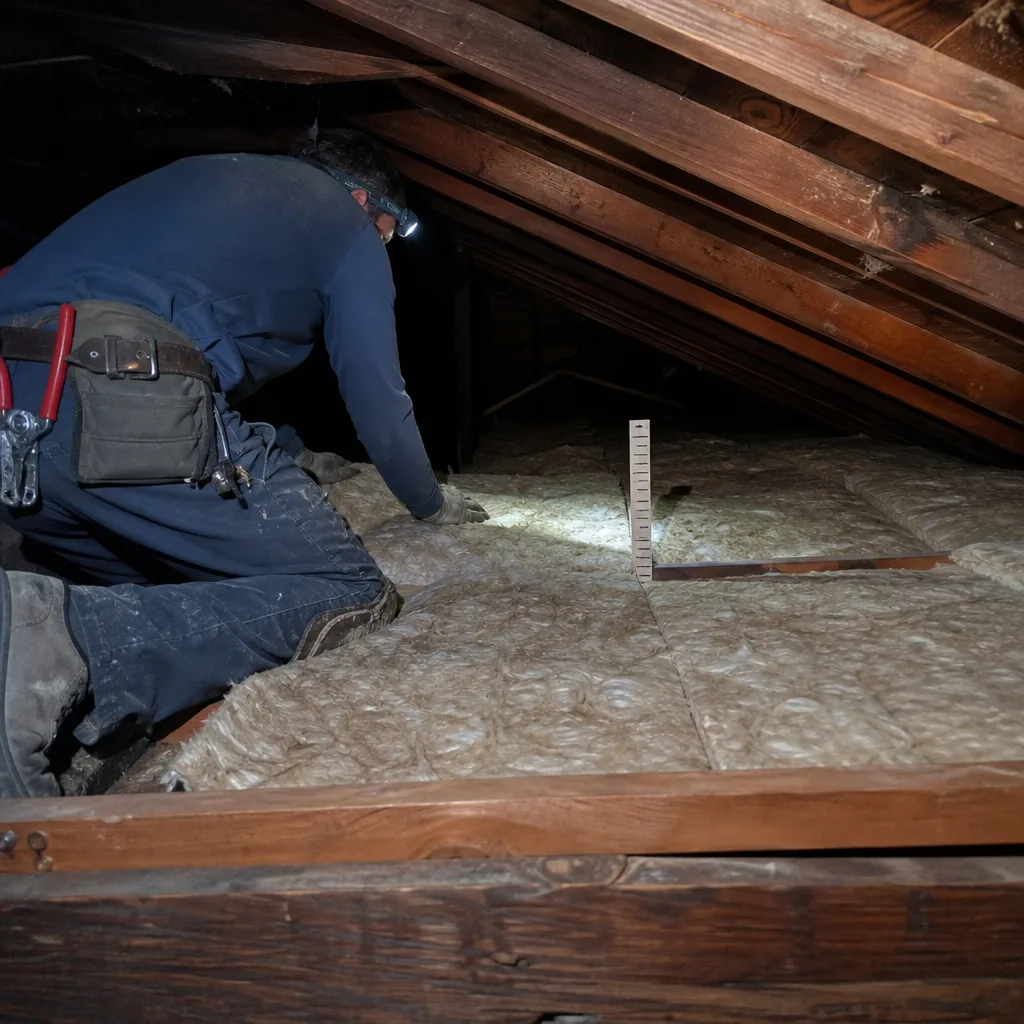
There’s a temptation to treat crawl space insulation as a materials problem – pick the right R-value, staple it up, done. But R-value is a measure of resistance to heat moving through a material by conduction. It doesn’t account for air moving through gaps by pressure difference. And in a Burbank crawl space with unsealed rim joists, that air movement can transfer more heat in an hour than conduction through the floor assembly does in a day.
This is why our process treats air sealing as a non-negotiable first step – not an add-on you pay extra to include. We’ve been operating this way since 2016 across more than 9,000 homes sealed and insulated, and the before-and-after blower-door numbers consistently show that the air sealing work moves the needle more than the insulation alone. On jobs where we run a blower-door test – a pressurization measurement that shows, in a single figure, how much conditioned air a home is losing – homeowners can see exactly what changed. The Burbank homes that surprise us most are the ones with existing insulation that looks fine from below: batts in place, no visible gaps. But the rim joists were never touched, and the blower-door reading tells the whole story.
This approach is the same one we apply to every part of the building envelope. You can read more about how we approach insulation across the full envelope and how crawl space work fits into the larger picture of a well-sealed home.
What Affects Crawl Space Insulation Performance in Burbank Specifically
Burbank’s placement in the eastern San Fernando Valley creates a specific set of conditions that affect crawl space performance in ways that aren’t always obvious.
The city sits in Climate Zone 9 under California’s Title 24 code – a zone defined by hot, dry summers and mild but real winters. The crawl space floor (soil or concrete) holds significantly less heat than the air above, which creates a persistent temperature differential between the subfloor assembly and the living space. In summer, that differential is reversed: the ground stays cooler while attic-driven heat pushes down. Proper crawl space insulation has to perform in both directions.
Burbank also had several significant rainfall seasons between 2022 and 2024 that pushed moisture into crawl spaces that hadn’t seen standing water in years. In the Magnolia Park and Burbank Village neighborhoods, we found several homes where fiberglass batts had absorbed enough moisture to drop their effective R-value by more than half. Wet fiberglass doesn’t recover its rated performance when it dries – the fiber structure is permanently compromised. Those batts needed to come out, and the soil below them needed a Crawl Space Vapor Barrier before any new material went in.
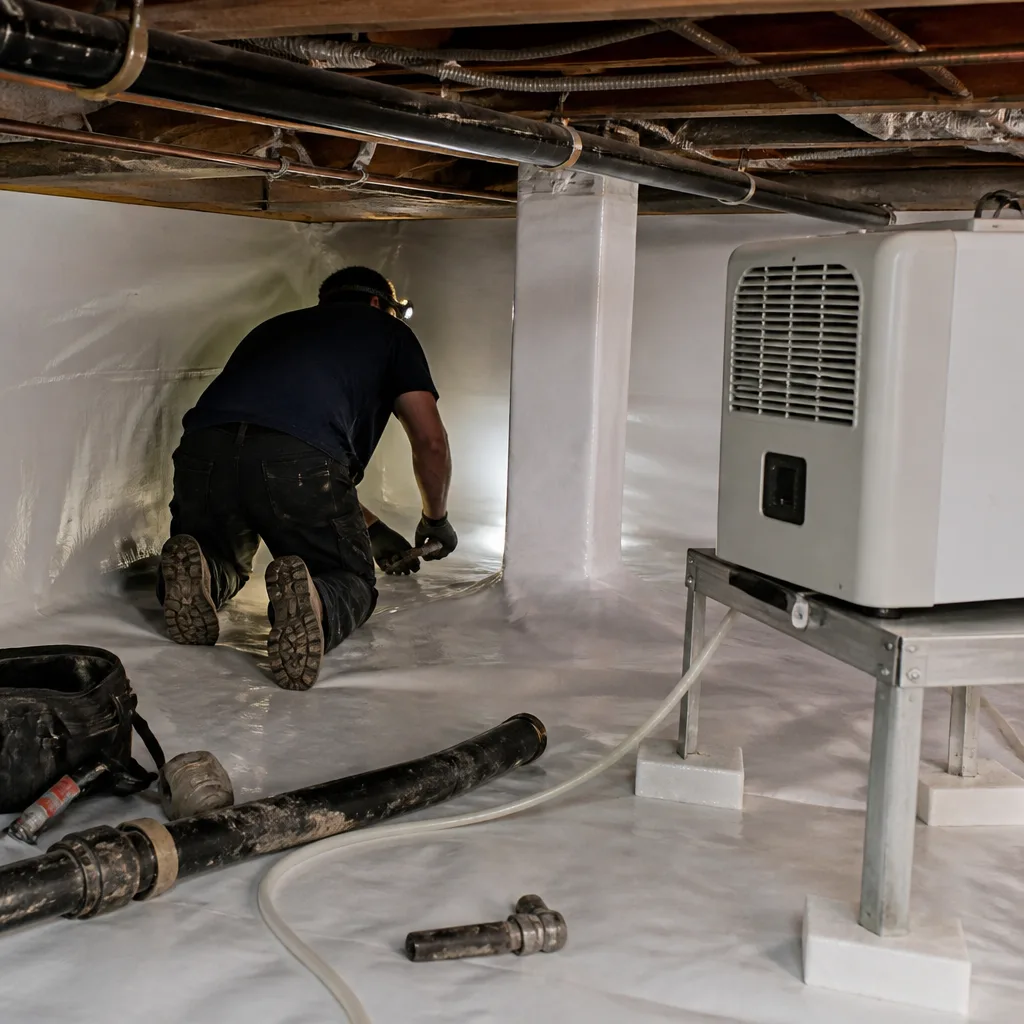
For that reason, we always assess the vapor barrier situation as part of any crawl space insulation quote. On homes where the crawl is unencapsulated, we discuss the full scope of Crawl Space Encapsulation & Vapor Barrier in Burbank so you can decide whether to address insulation alone or the moisture source at the same time. Doing it in sequence – sealing the moisture path, then insulating – means you’re not installing new material into conditions that will degrade it again.
Materials We Use
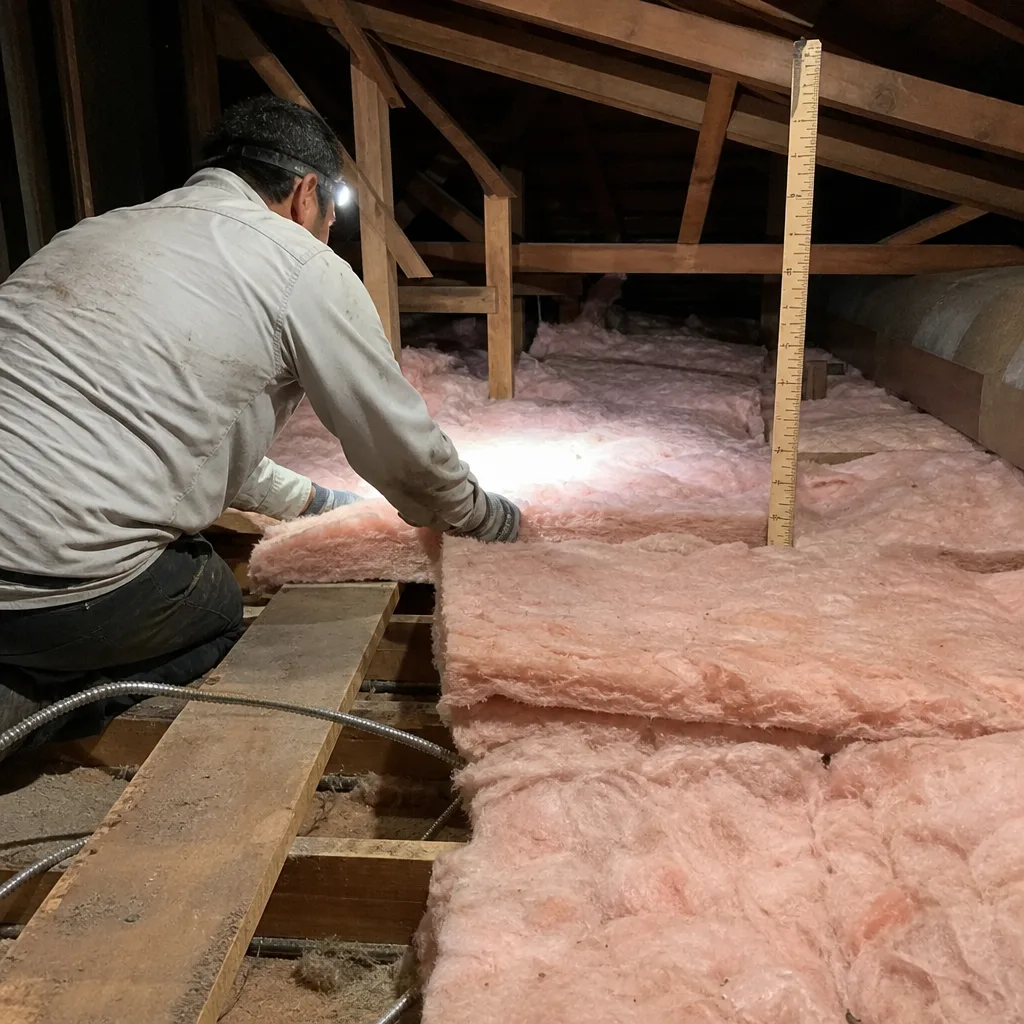
We source from Johns Manville, Owens Corning, and Knauf depending on the job spec and product availability. We don’t have a proprietary product line, which means we’re not steering you toward a material because of a margin arrangement – we’re specifying what fits your crawl space configuration and climate zone requirements.
For vented crawl spaces, unfaced fiberglass batts installed between floor joists to R-19 or R-30 (depending on joist depth and Title 24 requirements for your specific home) are the standard approach. For conditioned crawl spaces – where the space is sealed from the outside and treated as part of the building envelope – closed-cell spray foam applied to the foundation walls and rim joists is the correct product. We document the product name, R-value, and installation thickness in every written scope.
FAQs – Crawl Space Insulation in Burbank
How much does crawl space insulation cost in Burbank?
Most crawl space insulation jobs in Burbank run between $1,800 and $4,200, depending on square footage, access conditions, and whether existing material needs to be removed first. Rim joist air sealing, which we treat as part of every full installation scope, typically adds $400-$900 to the base cost but consistently produces the largest measurable improvement in envelope performance. Every job at Topside Attic Insulation Burbank starts with a written price – no estimate ranges, no “we’ll know once we’re in there.” Call (213) 816-1699 to schedule a no-cost site visit and get that number in writing.
What R-value does a Burbank crawl space need?
Burbank falls in California Climate Zone 9 under Title 24, which requires a minimum of R-19 for floor assemblies in vented crawl spaces. Many older Burbank homes were built with R-11 or R-13 batts – or nothing at all – and those don’t meet current code. On a conditioned crawl space using closed-cell spray foam at the foundation walls, the calculation changes because the insulation is applied to the walls rather than the floor, and R-value requirements differ accordingly. We specify the correct R-value for your configuration in the written scope before any work starts.
Can crawl space insulation be installed without a vapor barrier?
Technically yes, but we don’t recommend it for most Burbank homes. Installing insulation over bare soil without a vapor barrier means the insulation is in direct contact with ground moisture – the same moisture that degrades fiberglass batts and creates the conditions for mold and wood rot. For homes with existing vapor barriers in good condition, we’ll document the barrier state and work around it. For homes without one, we discuss the cost of adding a vapor barrier as part of the same job, so you’re not re-doing the insulation again in five years. See our full Crawl Space Encapsulation & Vapor Barrier in Burbank page for details on what a proper barrier installation involves.
How long does crawl space insulation take to install?
Most Burbank crawl space insulation jobs are completed in one day. A 1,000-1,400 sq ft crawl space with standard access and no existing material removal typically runs 4-6 hours of crew time. If we’re removing old insulation first, add 2-4 hours depending on the volume and how compressed the material is. Tight access – anything under 24 inches of clearance – slows the work meaningfully, and some older homes in the Rancho and Elmwood areas have crawl spaces with partial blockages that need to be assessed beforehand. We note any access issues in the written scope before the job starts, so the timeline you’re given is accurate, not optimistic.
Do I need to be home during the installation?
You don’t need to be present for the full installation, but we do ask that someone is available at the start of the job for a brief walkthrough and at the end to review the Documented Photo Record and written warranty. Under the Haven Standard, you receive a text when your named technician is on the way – no arrival windows measured in hours. If being present for the full job isn’t practical, we’ll coordinate the start-of-job and end-of-job touch points around your schedule.
The 365-Day Done Right Promise
Every crawl space insulation job we complete in Burbank is covered by the 365-Day Done Right Promise: if the work isn’t right, we make it right. That promise is written into the warranty document you receive before the job starts – not something we say after the fact. If insulation separates from the subfloor, if air sealing at the rim joists fails, if anything about the installation doesn’t perform as documented, call us. The same number that got you a live person when you first called will get you a live person then: (213) 816-1699.
We’ve completed insulation and air sealing work on more than 9,000 homes since 2016, and every one of those jobs has a written price on record and a photo record in the file. That’s not a brand position – it’s the operating procedure we’ve followed since the beginning, and it’s the reason the 365-Day Promise is actually a promise and not a slogan.
Get a Written Price for Your Burbank Crawl Space
If your floors are cold, your energy bills don’t match your square footage, or you know the crawl space hasn’t been touched since the house was built, the next step is a site assessment – at no cost to you. We come out, photograph the existing conditions, assess the air sealing and vapor barrier situation, and give you a flat written price – including how much crawl space encapsulation and vapor barrier costs in Burbank – before we ask you to decide anything.
Call (213) 816-1699 to schedule. A live person will pick up. We serve Burbank and the surrounding San Fernando Valley communities, and we can typically get out to a Burbank address within a few business days. If you have a written estimate from another contractor, bring it – we’ll review it with you as part of the free second opinion process.
Written by Wes Okafor, Owner at Topside Attic Insulation Burbank, serving Burbank since 2016.