
Icynene Blown-In Insulation in Burbank: What to Know First
We provide independent Icynene blown-in insulation service throughout Burbank, from Magnolia Park ranch homes to newer builds near the Empire Center. Most Icynene jobs we complete are done same-day, and every one starts with a written price before any work begins - no exceptions. Typical attic blown-in insulation for a Burbank home runs between $1,800 and $3,400 depending on square footage, existing conditions, and whether the attic floor has been properly air-sealed first.
This page is for homeowners who already have Icynene insulation in their attic or walls and need service, top-up, or replacement - or for buyers of older Burbank homes who discovered Icynene products during inspection and want to understand what they’re working with. We’re not affiliated with Icynene; we are an independent service provider with hands-on experience across every major line they’ve sold into Southern California. Call (213) 816-1699 for a free estimate with a written price delivered before we start.
How Icynene Products Fail - and How We Fix Them
- Icynene LD-C-50 open-cell spray foam shrinkage in Burbank’s heat cycles. This mid-density open-cell product was installed in thousands of California attics during the 2010-2018 building boom. In Burbank’s climate, daily attic temperature swings of 40°F or more between summer days and desert-cooled nights cause the foam to pull away from rafter bays over time, creating thermal bypasses - air paths that render your R-value meaningless because conditioned air escapes around the insulation. We map these gaps with thermal imaging, remove the failed sections, and replace with properly specified blown-in cellulose or fiberglass that won’t off-gas or shrink.
- Icynene MD-R-200 closed-cell over-application trapping moisture. When this two-pound closed-cell foam is sprayed too thick in a single pass - common with rushed installs during Burbank’s 2015-2019 renovation wave - the exothermic reaction locks in moisture. We’ve opened attics in the Rancho area where the underside of the roof deck was stained black with mold because the foam cured around trapped water. Our fix: surgical removal of the affected foam, drying the deck with targeted ventilation, then installing blown-in fiberglass with proper vapor-permeable detailing so the assembly can breathe.
- Icynene H2Foam Lite settling in wall cavities. This water-blown open-cell formula was marketed for dense-pack wall applications but can settle 15-20% in the first five years when installed at marginal densities. In Burbank’s 1960s tract homes with balloon framing, we’ve found H2Foam Lite sagging in the lower third of stud bays, leaving a convective loop at the top that drives heat straight through. We extract the settled material with vacuum extraction and re-dense-pack with stabilized blown-in cellulose at 3.5 pounds per cubic foot - the density that actually stays put.
- Icynene Classic Max adhesive failure on dusty Burbank roof decks. Pre-2016 installs in Burbank often skipped proper deck cleaning before foam application. Classic Max, a 0.5-pound open-cell product, needs a clean substrate to bond; on attics near the 5 Freeway with decades of particulate accumulation, we’ve peeled sheets of it off by hand. We remove the detached foam completely, clean the deck to bare wood, seal all penetrations with acoustic sealant, then blow in Owens Corning AttiCat fiberglass - a material that doesn’t rely on adhesion to perform.
- Icynene ProSeal Eco incompatible with subsequent blown-in top-ups. This newer low-GWP formula reacts poorly when homeowners or inexperienced contractors blow loose-fill directly over it without an isolation layer. The friction from cellulose fibers abrades the foam surface, creating particulate that circulates through HVAC systems. We’ve cleaned this mess out of Burbank homes near the studios. Our protocol: install a breathable polypropylene mesh over the ProSeal Eco, then blow in the top-up material - protecting both the foam and your indoor air quality.
Our Icynene Blown-In Insulation Process
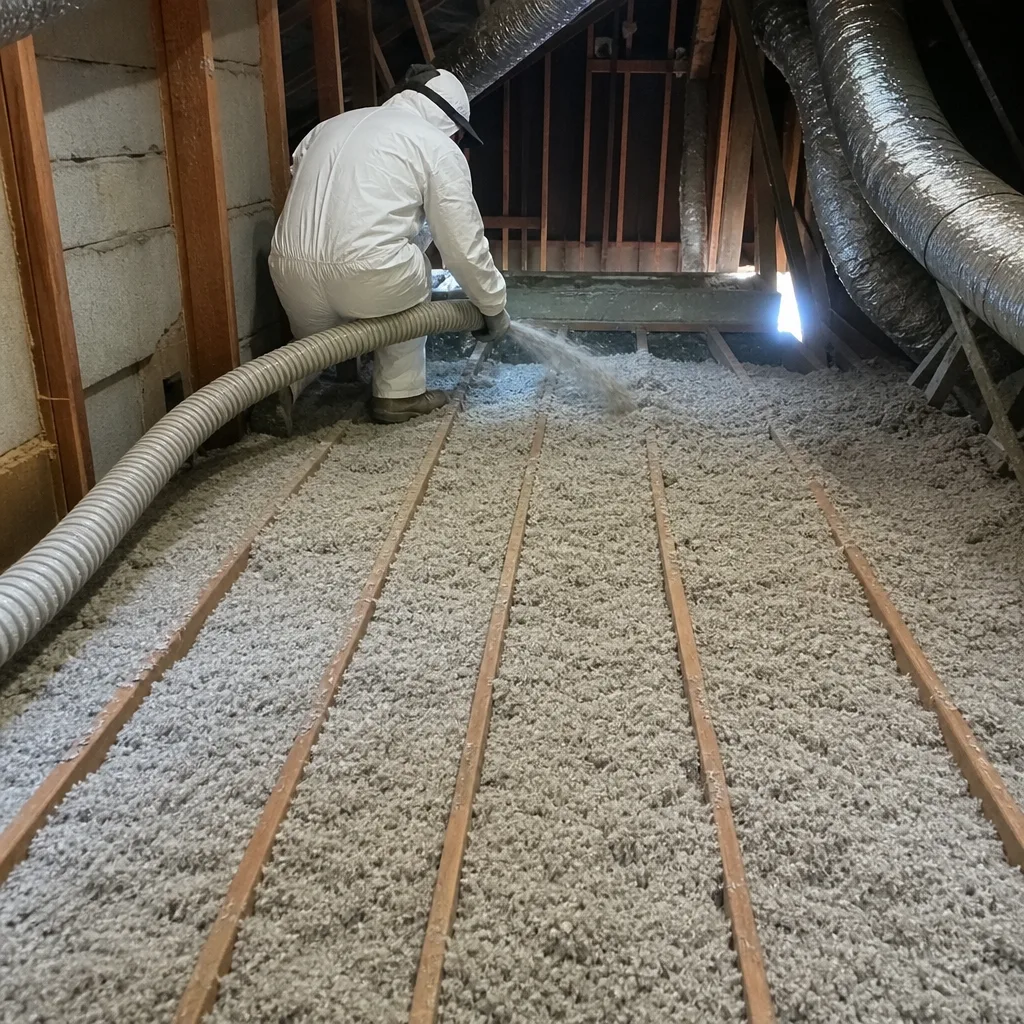
- 1
Call and scope. A live person answers 24/7. We schedule a site visit, and Wes Okafor or a lead technician arrives with a thermal camera, moisture meter, and blower-door rig.
- 2
Diagnostics and documentation. We identify your Icynene product line, assess its condition, and run a blower-door test - a pressurization reading that shows, in one number, how much air your building envelope is losing. You get the number in writing.
- 3
Written price before any work starts. Under Haven Standard Clause 1, we deliver a flat price, written scope, and written warranty before anyone lifts a tool. No surprises.
- 4
Air sealing first, then insulation. We seal top plates, can lights, plumbing penetrations, and electrical chases with acoustic sealant and fire-rated foam. Only after the attic floor is a continuous air barrier do we blow in material.
- 5
Installation with verification. We blow in your specified material - cellulose, fiberglass, or dense-pack - to labeled depth with marked rulers visible across the attic. Then we run the blower-door test again and provide the before-and-after comparison.
- 6
Documented Photo Record and closeout. You receive photos of every critical step, the depth-and-coverage report, and the blower-door results. The 365-Day Done Right Promise begins the moment we leave.
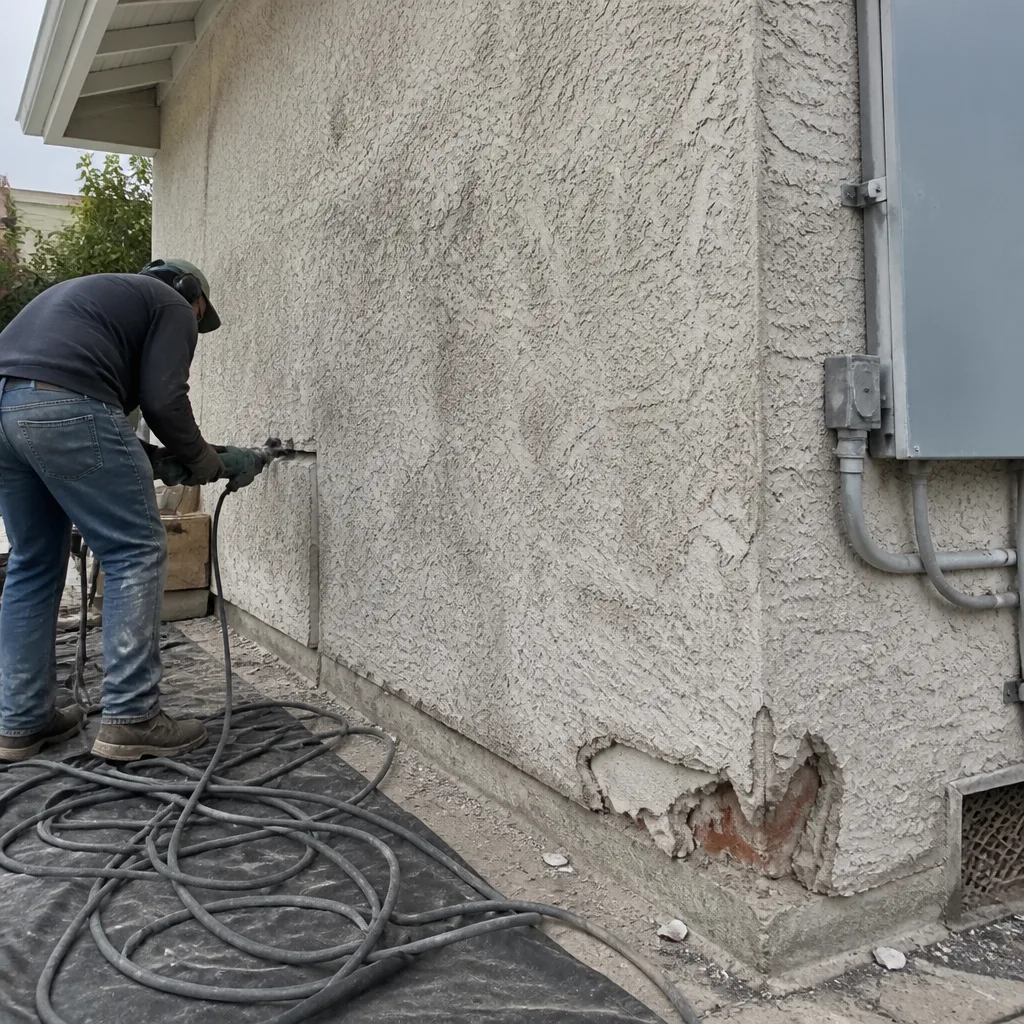 Before
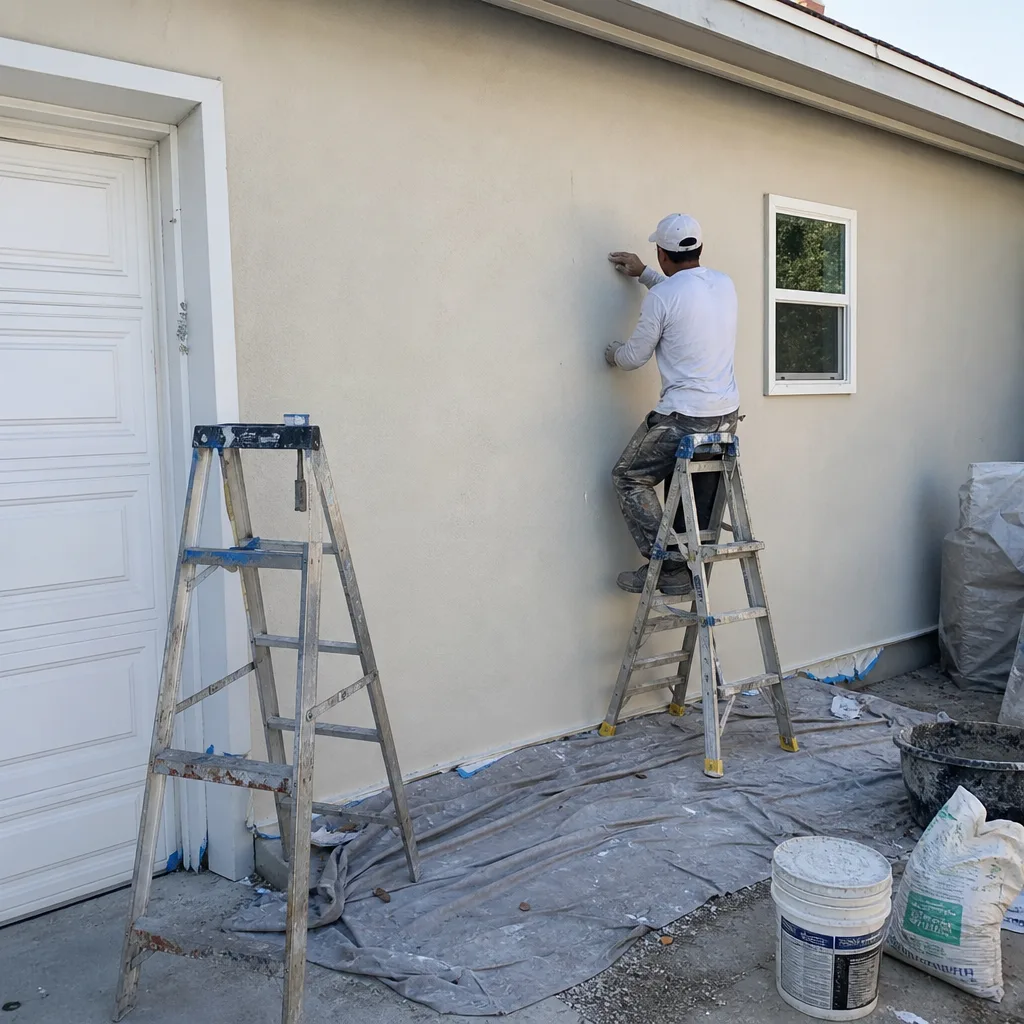 After
AfterWhat Icynene Blown-In Insulation Costs in Burbank
| Job Type | Typical Range | What Moves the Price |
|---|---|---|
| Icynene removal + attic air seal + blown-in cellulose (1,200 sq ft attic) | $2,800 - $4,200 | Accessibility, existing foam thickness, disposal fees |
| Icynene top-up with blown-in fiberglass over intact foam | $1,800 - $2,800 | Mesh isolation layer needed, depth required to reach target R-value |
| Dense-pack wall replacement (settled H2Foam Lite) | $3,200 - $5,400 | Number of wall cavities, interior or exterior access, finish repair |
| Spot repair: localized removal + replacement | $900 - $1,600 | Location, size of affected area, matching existing assembly |
Three factors push Icynene jobs toward the higher end in Burbank: attics with original 1960s wiring that must be protected during foam removal, homes within two miles of the 5 Freeway where particulate loading complicates surface prep, and any job requiring after-hours scheduling to accommodate production schedules from nearby studio clients. We also service Reflectix radiant barrier systems when they’re part of the same assembly. Call (213) 816-1699 for your written price - estimates are free, and we offer a Free Second Opinion on any competing written estimate.
Why Burbank Homeowners Call Topside Attic Insulation Burbank for Icynene Work
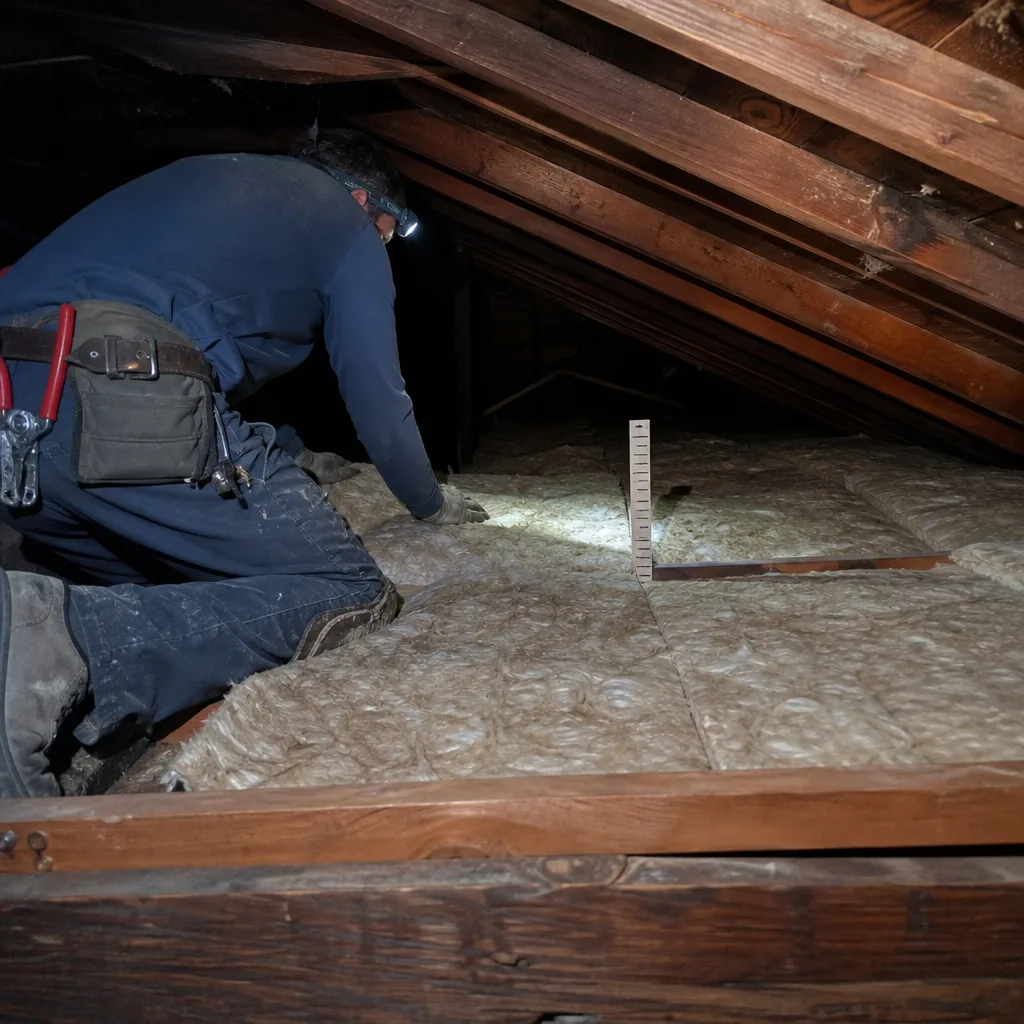
We’ve been working Burbank attics since before the Icynene installation boom peaked, and we’ve watched how every major line performs in this specific climate. The R-value is what the label says. The performance is what the blower-door test says. We care about the second number.
Our crew includes technicians who have removed and replaced every Icynene product listed above - not once, but dozens of times. We don’t guess at compatibility between old foam and new blown-in; we know from documented jobs what works and what creates callbacks. The 365-Day Done Right Promise means if the blower-door number doesn’t hold, we return and fix it. Every technician is background-checked and uniformed, and you’ll get a text when we’re en route. Materials come from Owens Corning, Johns Manville, Knauf, Rockwool, CertainTeed, Icynene, Demilec, and GreenFiber - no proprietary lock-in, ever.
FAQs
Original Icynene warranties are typically limited to the original installing contractor and often expire after 10 years; most Burbank homes with Icynene are now outside that window. Our work is covered by our own 365-Day Done Right Promise and written warranty, not the manufacturer’s. If your Icynene is still under warranty, we can review the terms with you before any removal - call (213) 816-1699.
Yes, and in most Burbank attics we exceed it because we air-seal first. Open-cell Icynene at 3.5 inches achieves roughly R-13; we typically blow cellulose to R-38 or R-49 with a complete air barrier underneath, which outperforms the original foam in real conditions. The blower-door test proves it.
Most full-attic jobs take one day; complex removals with extensive deck cleaning or mold remediation may extend to two. We schedule Burbank jobs with a confirmed arrival window, not a four-hour guess. Same-week availability is typical - call (213) 816-1699 to confirm.
Spot repairs on localized shrinkage or adhesion failure run $900-$1,600; full removal starts around $2,800. If the failure pattern is systemic - multiple rafter bays, widespread settling, or moisture damage - replacement is more cost-effective than chasing individual patches. We assess this honestly during your free estimate and put the recommendation in writing.
We are an independent Icynene service provider, not an authorized dealer, so we do not source OEM repair kits. For blown-in top-ups over intact Icynene, we use quality third-party materials - Owens Corning, Johns Manville, Knauf - with verified compatibility. For removal and replacement, we select the best material for your assembly, not the brand that matches what failed. Call (213) 816-1699 to discuss what makes sense for your specific situation.
Written by Wes Okafor, Owner & Lead Insulation Technician, Topside Attic Insulation Burbank at Topside Attic Insulation Burbank, serving Burbank and nearby areas.