
Rockwool Attic Insulation: The Burbank Owner’s Guide
Rockwool attic insulation installation in Burbank typically runs $2.80-$4.20 per square foot for batts and $3.50-$5.50 for loose-fill, with most single-family homes in the 1,200-2,400 sq ft range landing between $3,400 and $7,800 installed. We stock both Comfortbatt and Comfortboard series on our trucks, and we can usually inspect and quote same-day if you call before noon. Most Burbank homeowners realize their Rockwool insulation is underperforming when their summer AC bills spike above $400 or they find hot ceiling patches in rooms below the attic - the material itself rarely “fails,” but it gets compromised by air leaks, compression, or moisture intrusion that the original installer skipped.
Which Rockwool Models This Applies To
Rockwool’s residential attic line breaks into two families: Comfortbatt, the semi-rigid batts sized for standard 16-inch and 24-inch on-center framing, and Comfortboard, the rigid boards used for thermal breaks or cathedral ceiling applications. The critical compatibility gotcha in Burbank’s 1950s-1970s housing stock, especially in the Magnolia Park neighborhood, is rafter bay width. We’ve measured 15-inch actual spacing on ranch-style homes built in 1962-1968, where standard 15.25-inch Comfortbatt compresses slightly and gaps at the edges, or 23-inch spacing where 23.25-inch batts bow and create thermal bypass channels. The label on your existing batts reads “Roxul Comfortbatt R-30” or similar, with a density stamp of 2.2-2.8 lbs/ft³. OEM Rockwool from an authorized distributor guarantees that density spec; aftermarket mineral wool from lesser-known brands often runs lighter, which means the same R-value label performs differently in a blower-door test. We source our Rockwool through recognized California distributors and carry both 3.5-inch and 5.5-inch thicknesses on every truck.
Signs Your Rockwool Attic Insulation Is Failing
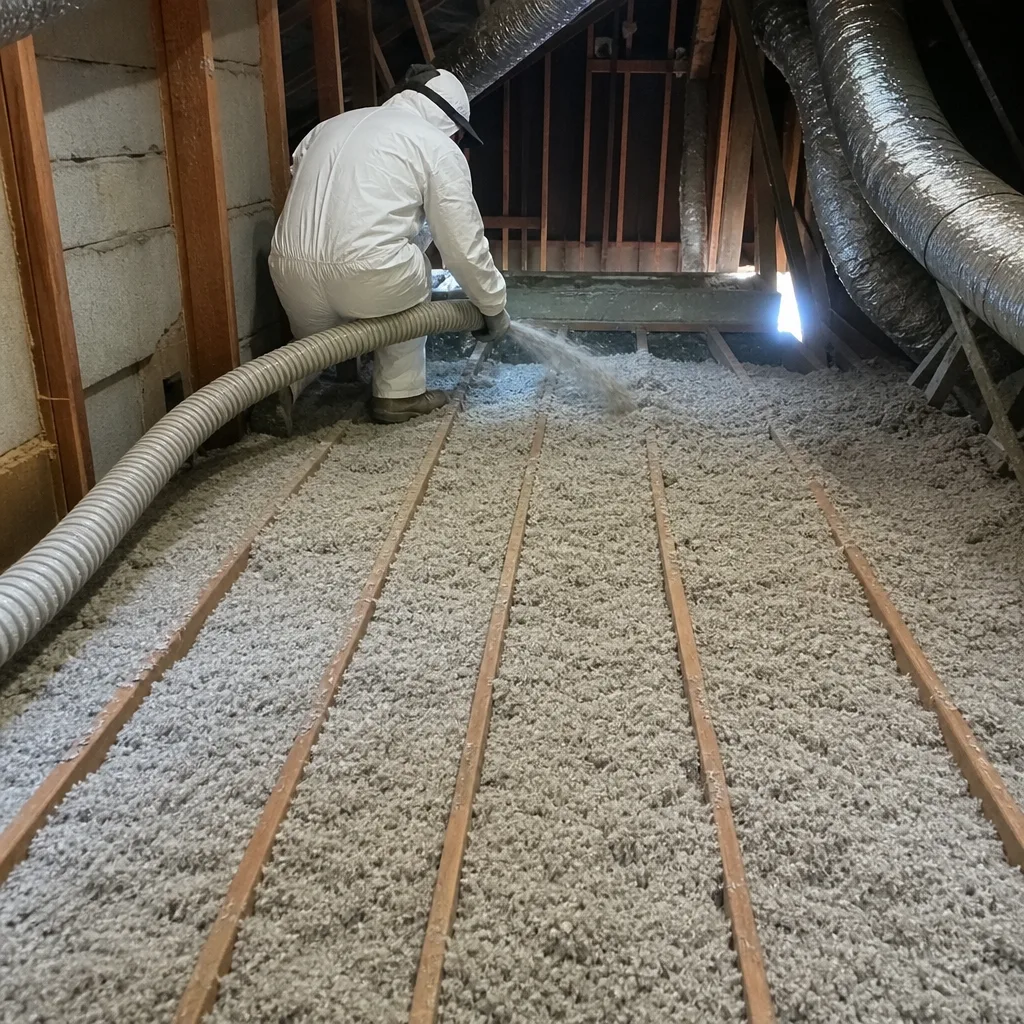
- Hot ceiling patches in summer. Rockwool tolerates moisture better than fiberglass, but when attic ventilation fails in Burbank’s August heat, the top surface of compressed batts can reach 160°F and radiate downward. The insulation isn’t dead; it’s being asked to do a job it was never designed for without proper air sealing above it.
- AC runs constantly after 2 p.m. This is the thermal bypass signature. Air moving around, not through, the batts short-circuits the R-value. We see this most in Burbank homes where can lights and top plates were never sealed before the Rockwool went in.
- Insulation looks dusty or gray on top. Fine dust infiltration means air is moving through the attic floor plane. Rockwool’s density usually traps it at the surface, which is actually the material doing its filtration job, but it signals a leak path that needs sealing.
- Rooms directly below the attic are 8-12°F warmer than the rest of the house. This differential almost always traces to missing or displaced batts at the attic hatch, around duct chases, or where a previous contractor walked the joists and never replaced what they compressed.
- Ice damming or moisture staining at the eaves in winter. Rare in Burbank but not impossible during our occasional 35°F nights. It means warm, humid interior air is reaching the cold roof deck through gaps the Rockwool should be blocking.
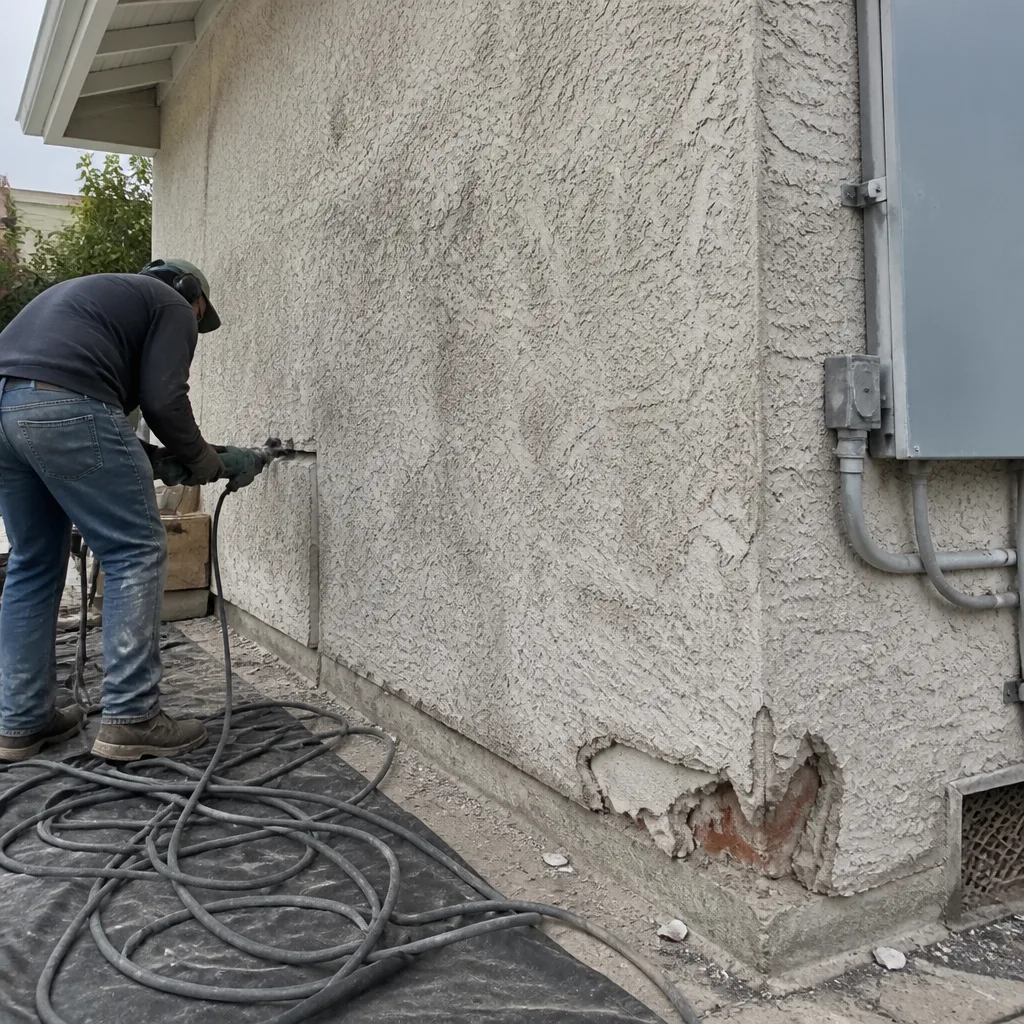 Before
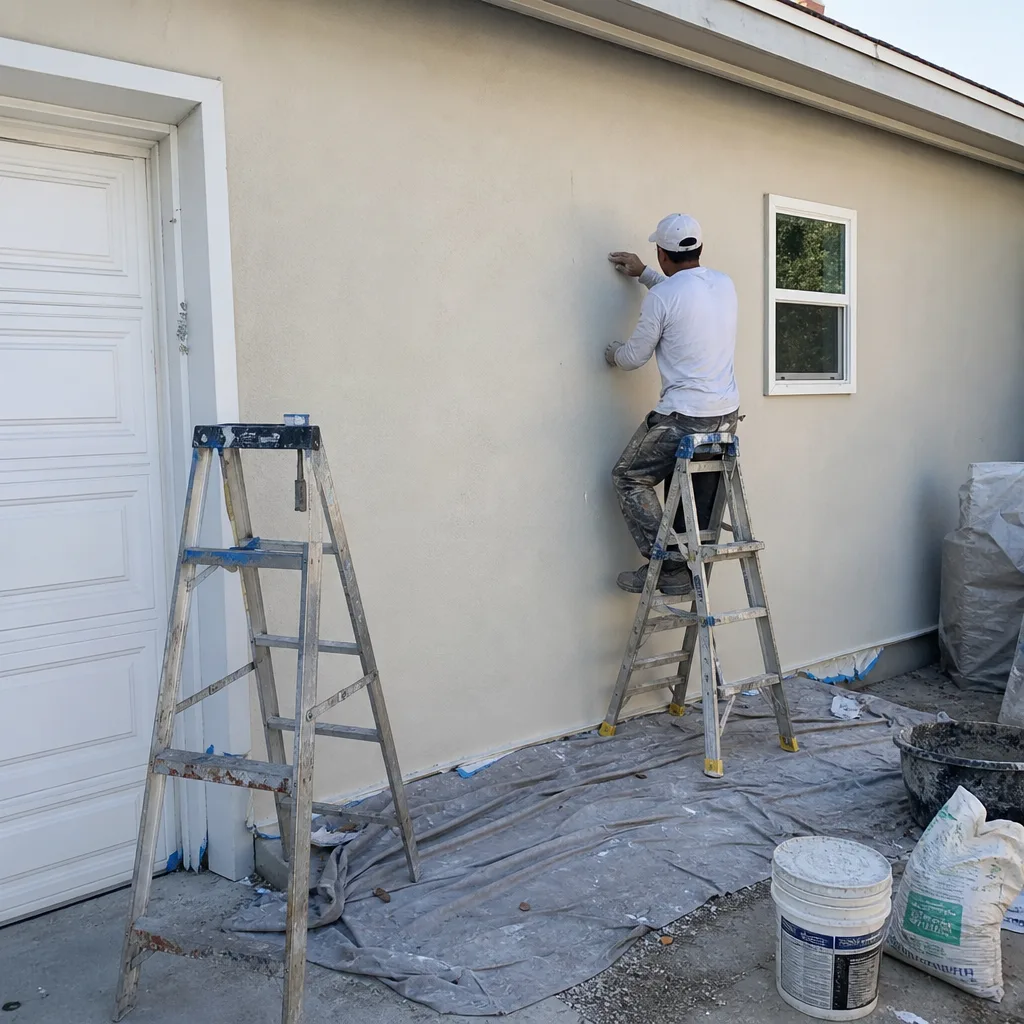 After
AfterReplacement Cost & What’s Included
Most Rockwool attic insulation jobs in Burbank fall between $3,400 and $7,800 installed, with the spread driven by three factors: attic square footage, whether we need to remove existing compressed or contaminated material first, and how much air sealing the floor plane requires before new insulation goes in. A straightforward top-off of 1,000 sq ft with Comfortbatt R-30, after we seal penetrations, runs toward the lower end. Full removal of old batts, decontamination from rodent activity, and reinstallation with new Rockwool plus complete top-plate and can-light sealing pushes the upper range. Every quote under Haven Standard Clause 1 is a flat written price before any work starts, and includes the Documented Photo Record showing before condition, sealed penetrations, and installed depth. Where applicable, we provide before-and-after blower-door numbers so you can verify the air-sealing result in CFM50, not just trust the R-value on the label.
DIY or Call Us?
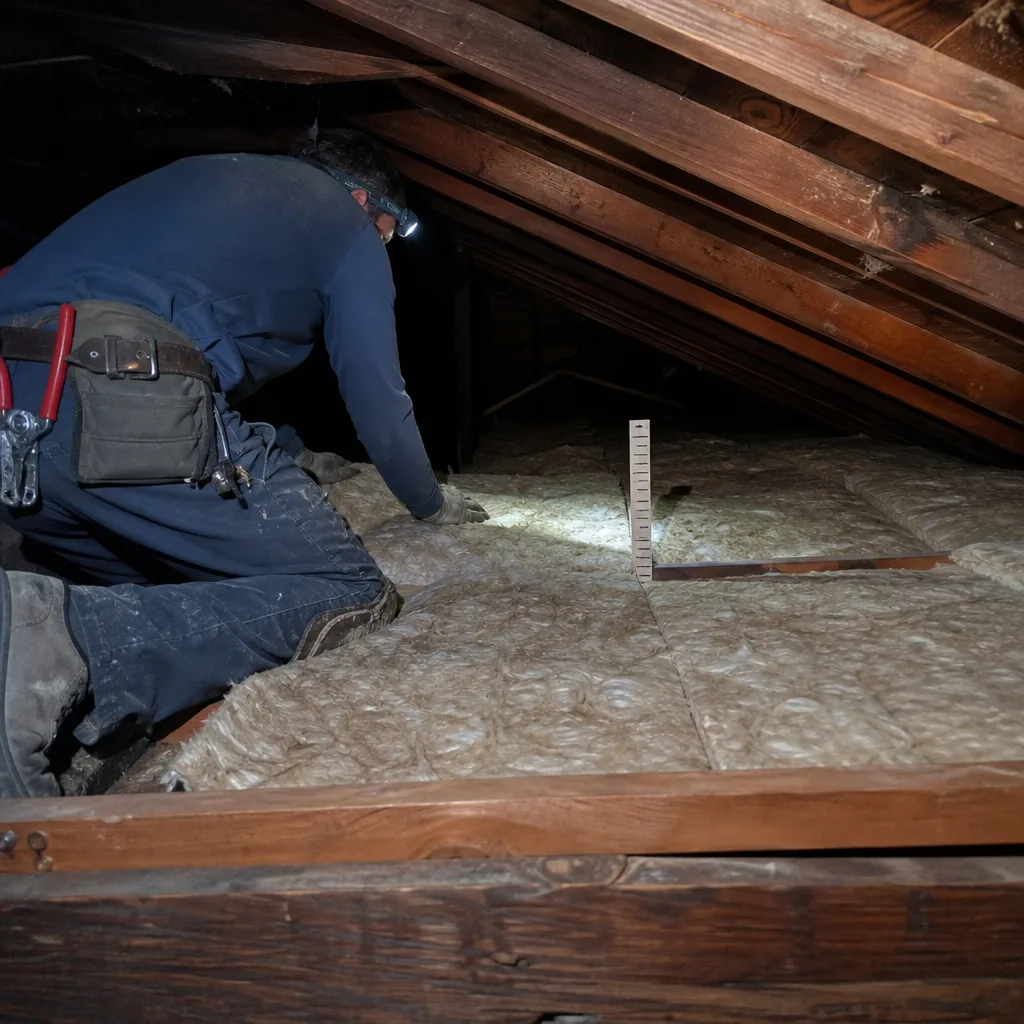
Rockwool installation is not high-tension or electrical work, but there are honest limits to what a homeowner should handle. You can safely inspect your attic hatch, measure existing batt thickness with a yardstick, and photograph label stamps for us to review. What goes wrong in DIY: walking joists without proper planks compresses the existing insulation you’re trying to save; missing the top-plate gaps at the wall line means your new batts perform at half their rated value; and handling Rockwool without a proper respirator and skin coverage leaves you itching for days. The bigger risk is sequencing. We’ve been called to Burbank homes where a homeowner installed $1,200 in new Comfortbatt over an unsealed attic floor, then wondered why their summer bill barely moved. The R-value is what the label says. The performance is what the blower-door test says. We care about the second number. If you want to know what you’re actually dealing with before spending anything, call (213) 816-1699 and we’ll walk through what to photograph.
FAQs
Rockwool itself is essentially inert; the mineral wool doesn’t degrade, settle, or off-gas over decades. What fails first in Burbank’s climate is the installation detail around it: compression from foot traffic, displacement from duct work or wiring changes, and the air sealing that was supposed to precede it. We’ve inspected 30-year-old Rockwool that still met its original density spec, but the attic had new thermal bypasses from unsealed additions and recessed lighting retrofits. Call (213) 816-1699 for an exact assessment of your specific attic - estimates are free.
Yes, if the existing batts are dry, uncompressed, and free of rodent contamination. We frequently top off existing Rockwool with new Comfortbatt of matching density, after lifting and sealing the floor plane beneath it. The problem is you can’t verify compression or moisture intrusion from below; it requires attic inspection. If the existing material is contaminated or compressed below 80% of its labeled thickness, removal and replacement is the only path to the performance you’re paying for. Call (213) 816-1699 and we’ll tell you which category you’re in.
A standard Burbank single-story home with 1,200-1,800 sq ft of attic floor takes one day for air sealing and one day for insulation installation, assuming no removal is required. Homes requiring full removal and decontamination add a half to full day. We don’t rush the sealing phase; the blower-door test after sealing but before insulation goes in confirms we’ve found the leaks. Wes Okafor and his crew have worked enough Burbank attics to know where the bypasses hide, which saves time on discovery without cutting corners on execution.
We carry Comfortbatt R-30 in both 15.25-inch and 23.25-inch widths, plus Comfortboard 80 for thermal break applications, on every service vehicle. For less common specs - R-38 high-density batts, or fire-rated assemblies for attached garage ceilings - we pull from our Burbank-area distributor with next-day availability. We also stock Reflectix radiant barrier for hybrid assemblies where Burbank’s solar gain calls for it. Topside Attic Insulation Burbank is an independent service provider with no affiliation to Rockwool; we source from multiple manufacturers and recommend what the assembly actually needs.
Written by Wes Okafor, Owner & Lead Insulation Technician, Topside Attic Insulation Burbank at Topside Attic Insulation Burbank, serving Burbank and nearby areas.