
Owens Corning Vapor Barrier Installation: The Burbank Owner’s Guide
Most Owens Corning vapor barrier installations in Burbank run between $1,800 and $3,400 for a full crawl space or attic application, and we stock the material on our truck for same-day starts when the job scope is straightforward. The R-value is what the label says. The performance is what the blower-door test says. We care about the second number. Homeowners usually figure out something’s wrong when they notice musty odors returning after a rain, see condensation beading on ductwork, or find their fiberglass batts sagging with moisture weight - all signs the vapor barrier has torn at seams, pulled away from fasteners, or was never properly sealed at penetrations in the first place.
Which Owens Corning Models This Applies To
Owens Corning produces vapor barrier material across several product lines, and matching the right spec to your existing insulation system matters more than most homeowners realize. The Owens Corning Foamular NGX rigid foam boards used in Burbank crawl spaces require a 6-mil minimum polyethylene vapor barrier on the warm-in-winter side, while Ecotouch PINK Fiberglas batt installations in vented attics need a vapor retarder facing - kraft paper or foil - installed toward the conditioned space. If your home was built between 1955 and 1985 in the Burbank Hills or Magnolia Park areas, you may have the older Owens Corning Fiberglas 703 board stock with an integral asphalt-impregnated facing that has become brittle and is now flaking off the substrate.
We do not stock proprietary Owens Corning-branded vapor barrier film; we source equivalent or superior 6-mil cross-laminated polyethylene and reinforced scrim products from our regular suppliers. Topside Attic Insulation Burbank is an independent service provider with no affiliation to Owens Corning. The key compatibility gotcha in Burbank’s climate: Owens Corning’s newer ProPink loose-fill systems are designed for unconditioned attic use without a separate vapor barrier, but installers in the 1990s often added one anyway, creating a double-vapor-barrier trap that holds moisture against the ceiling drywall. We check for this on every inspection.
Signs Your Owens Corning Vapor Barrier Installation Is Failing
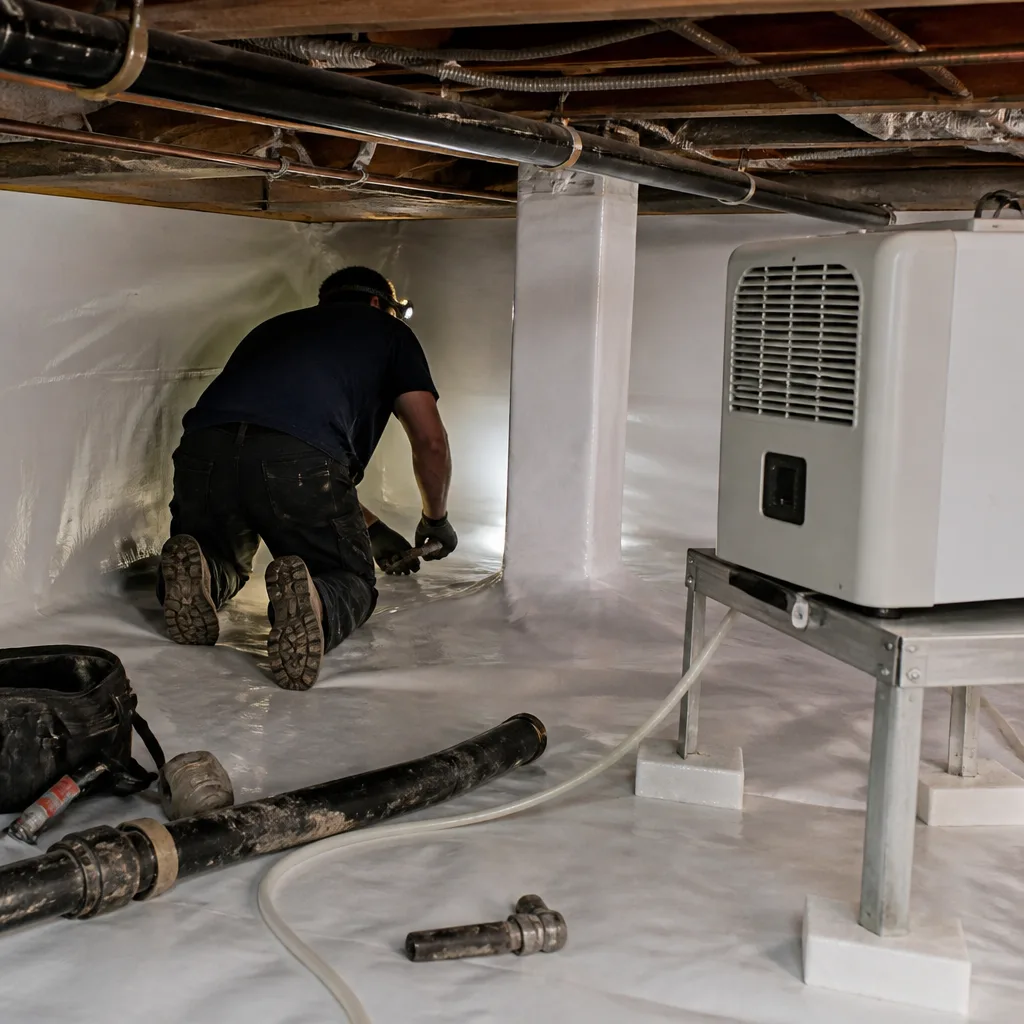
- Condensation on ductwork or plumbing lines in the crawl space. This means warm, moist interior air is reaching cold surfaces because the vapor barrier has separated at seams or torn around penetrations. In Burbank’s spring months, when marine layer moisture rolls in from the west, this symptom becomes unmistakable.
- Fiberglass batts sagging or dropping from floor joists. When the kraft facing on Owens Corning batts gets wet repeatedly, the paper delaminates and the friction fit fails. We’ve pulled batts in the Rancho neighborhood that had compressed to half their labeled thickness from moisture weight alone.
- Musty odors that worsen after rain or irrigation. A intact vapor barrier blocks soil moisture and vapor drive from below; once compromised, that moisture loads the air in your crawl space and migrates upward through floor gaps. The smell is the symptom - mold spore counts are the problem.
- White or gray powder on the vapor barrier surface. This is efflorescence, mineral salts left behind as moisture evaporates through the plastic. It tells us water is moving through the barrier rather than being stopped by it, usually at pinholes or seam gaps.
- Inconsistent indoor humidity between rooms. A failed vapor barrier in one zone of the house lets that section of floor assembly behave differently. We see this in Burbank split-levels where the original Owens Corning installation covered only part of the crawl space, or where a later addition was never properly tied in.
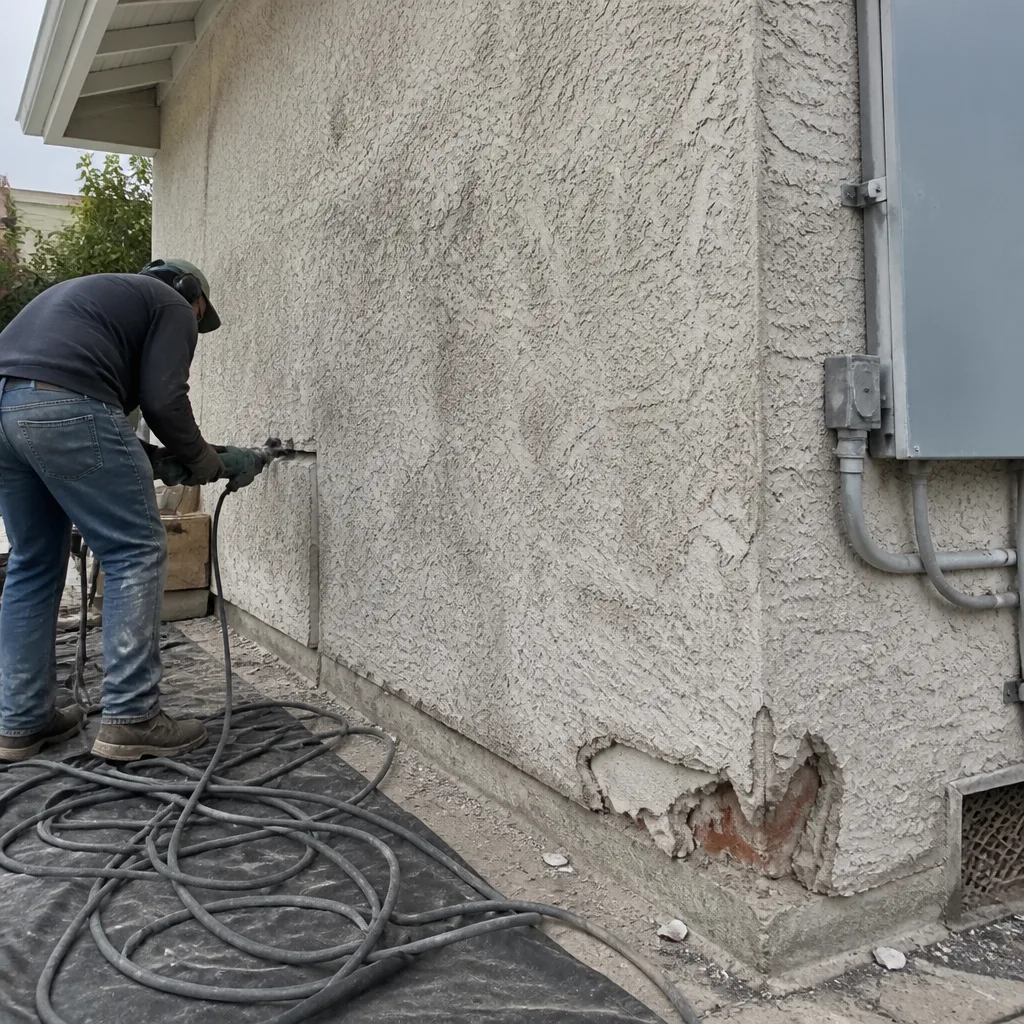 Before
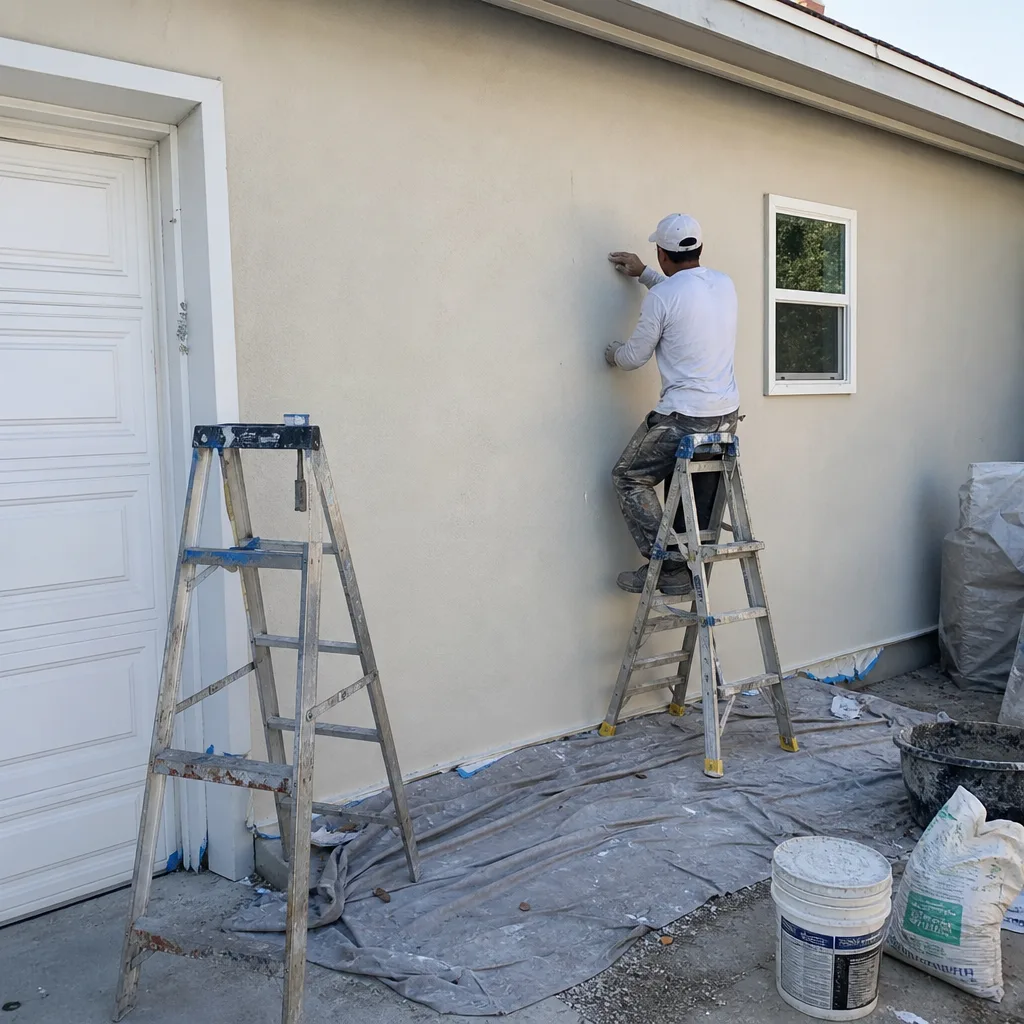 After
AfterReplacement Cost & What’s Included
| Scope | Typical Range in Burbank | What Drives the Price |
|---|---|---|
| Crawl space vapor barrier only (6-mil poly, taped seams, sealed to piers) | $1,800 - $2,600 | Square footage, pier count, debris removal, access difficulty |
| Crawl space vapor barrier + air sealing of rim joists and penetrations | $2,400 - $3,400 | Extent of sealing needed, existing insulation condition, blower-door baseline |
| Attic vapor retarder replacement (kraft-faced batt or smart membrane) | $2,200 - $3,200 | Attic accessibility, need for temporary decking, existing material removal |
Every job under The Haven Standard starts with a written price before any work starts - flat, not time-and-materials. The price includes material, labor, seam tape and acoustic sealant, disposal of the failed barrier, and a Documented Photo Record showing before condition, installation detail, and completed coverage. Where we perform air sealing as part of the scope, you also receive before-and-after blower-door numbers so you can verify the actual performance change. Our 365-Day Done Right Promise applies to all completed work.
DIY or Call Us?
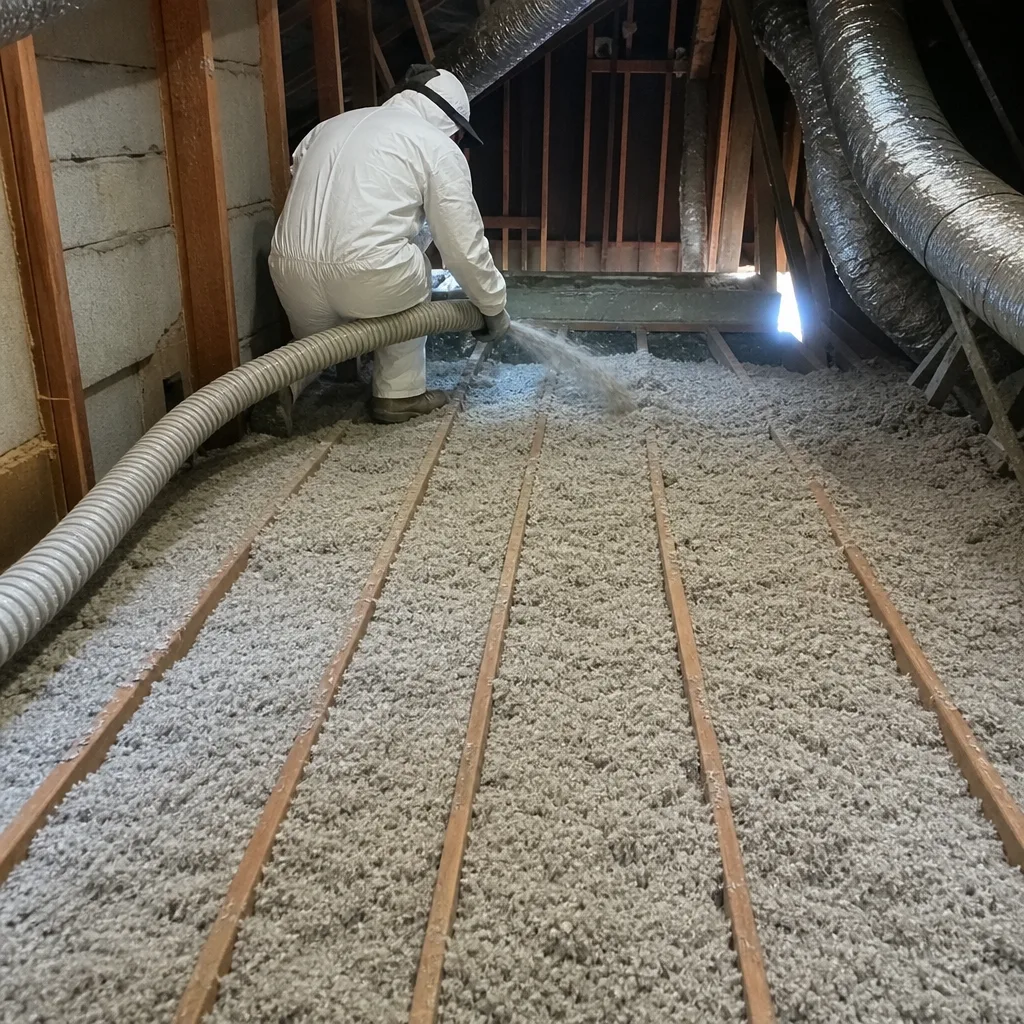
There’s a safe middle ground here. A homeowner can walk their crawl space with a flashlight and identify obvious tears, pooling water, or detached seams - that’s useful intelligence, and we welcome the photos. What goes wrong with DIY vapor barrier replacement is the sequencing: laying new plastic over wet soil, missing the seal at plumbing penetrations, or trapping existing moisture against the subfloor. In Burbank’s clay-heavy soils, especially in the foothill areas above Glenoaks Boulevard, groundwater wicks upward through the soil capillary and will find any gap you left.
We also see homeowners install standard 6-mil poly where a class I vapor retarder (0.1 perm or less) is required by California Title 24 for certain climate zones and assembly types. The material cost difference is minor; the code compliance difference is not. If you’re unsure what your existing Owens Corning system was designed for, call us at (213) 816-1699 and we’ll read your situation with you - no charge for the conversation, and we’ll tell you honestly if this is a weekend project or a scope that needs proper documentation.
FAQs
A properly installed 6-mil polyethylene vapor barrier in a Burbank crawl space typically lasts 15 to 25 years before seam tape degradation or mechanical damage requires replacement. The marine layer moisture and seasonal temperature swings in the Verdugo foothills accelerate aging at seams and fastener points compared to drier inland climates. Call (213) 816-1699 if you’re past the 15-year mark and want us to assess condition - estimates are free.
Small punctures or single seam failures can be patched with compatible polyethylene tape and acoustic sealant, but widespread embrittlement, multiple tears, or delamination of the facing from Owens Corning batt insulation means replacement is the cost-effective path. We’ve done patch jobs in Burbank that held for two seasons before adjacent areas failed, doubling the total cost. We’ll tell you straight which situation you’re in.
Most crawl space vapor barrier replacements in a typical 1,200 to 2,000 square foot Burbank home take one to two days, including soil prep, material layout, seam taping, and perimeter sealing to foundation walls. Add a half day if we’re also air sealing rim joists and top plates before the barrier goes in - the sequencing we never skip. You receive a written completion checklist and photo documentation before we leave.
We stock 6-mil cross-laminated polyethylene, reinforced scrim vapor barrier, and smart vapor retarder membranes (like CertainTeed MemBrain) on our Burbank service vehicles - equivalent or superior to Owens Corning specifications, sourced through our regular supply chain. We do not stock proprietary Owens Corning-branded film, but we match or exceed their published permeance and durability specs on every job. If your warranty or HOA requires exact OEM material, we’ll source it and quote accordingly.
Written by Wes Okafor, Owner & Lead Insulation Technician, Topside Attic Insulation Burbank at Topside Attic Insulation Burbank, serving Burbank and nearby areas.