
Owens Corning Crawl Space Encapsulation: The Burbank Owner’s Guide
Most Owens Corning crawl space encapsulation systems in Burbank run between $3,800 and $7,200 installed, depending on crawl space square footage and whether the existing vapor barrier needs full removal. We stock Owens Corning-compatible 6-mil and 12-mil reinforced polyethylene, seam tape, and closed-cell spray foam for perimeter sealing, and we can usually inspect and start work same day you call. Homeowners typically discover a problem when they notice musty odors rising through floor registers, see condensation droplets on ductwork, or find their hardwood floors cupping from below-grade moisture migration.
Which Owens Corning Models This Applies To
Owens Corning does not manufacture a dedicated crawl space encapsulation “system” with model numbers like their roofing or insulation batts. Instead, the brand name appears in Burbank crawl spaces through three common configurations: Owens Corning Foamular rigid foam boards (typically XPS in 1-inch or 2-inch thickness) used on foundation walls, Owens Corning blown-in fiberglass or mineral wool installed between floor joists above the crawl, and third-party vapor barriers paired with Owens Corning insulation in what builders market as a “complete encapsulation.”
To identify what you actually have, check the pink or yellow insulation labels for the Owens Corning logo and density rating. Foamular boards are stamped with a lot number and R-value per inch. If your crawl has a white or reinforced silver vapor barrier with no branding, it was likely installed as a separate component, and we match thickness and permeance rather than chasing an OEM part number. We also stock Reflectix radiant barrier as an alternative for foundation wall applications where foam board is impractical. For Owens Corning fiberglass below grade, the critical compatibility issue is facing type: kraft paper facing fails in crawl space humidity, while unfaced or vinyl-faced batts hold up. We’ve replaced dozens of kraft-faced installations in Burbank’s older Magnolia Park homes where the original contractor used attic stock in a crawl space.
Signs Your Owens Corning Crawl Space Encapsulation Is Failing
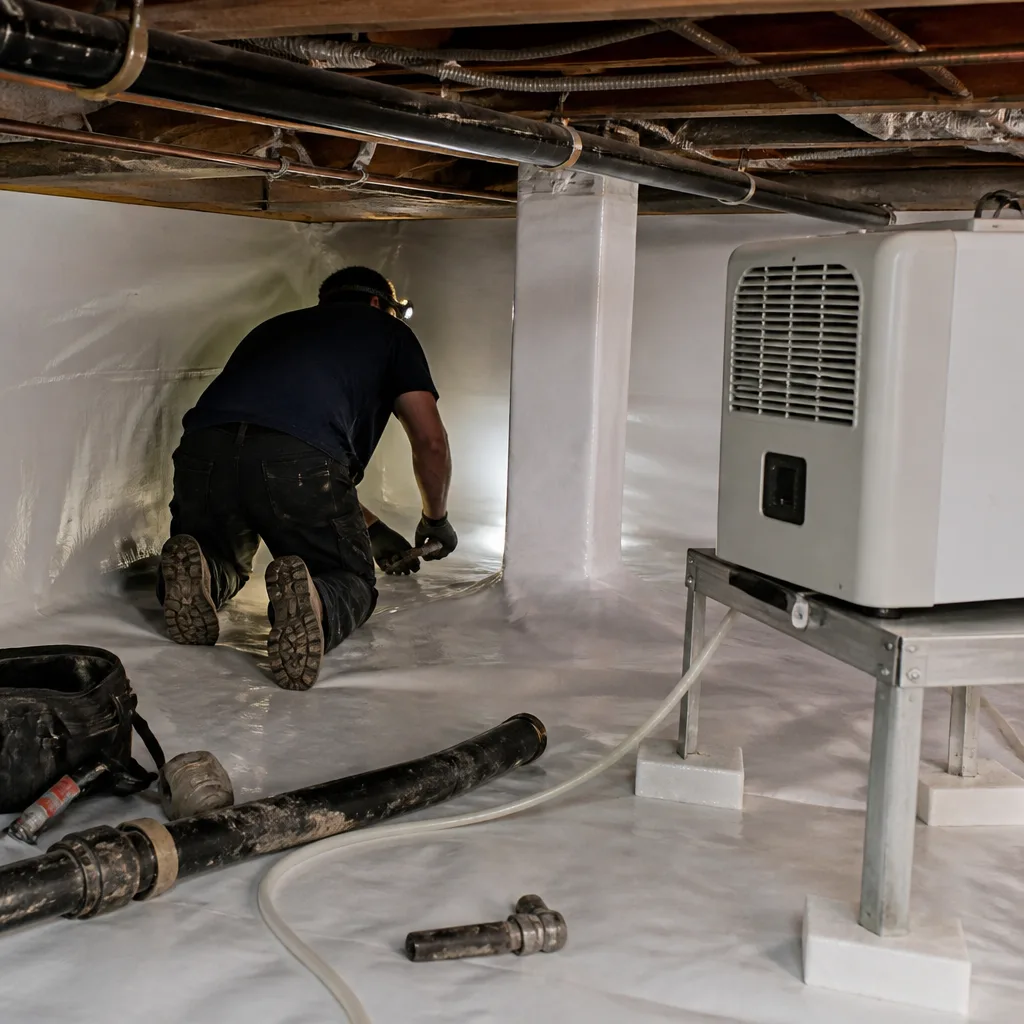
- Musty smell that intensifies when the HVAC runs. This means your vapor barrier has separated at seams or the perimeter seal has failed, pulling untreated crawl air through floor penetrations. In Burbank’s clay-heavy soil zones, ground moisture pushes upward year-round even during dry spells.
- Condensation on ductwork or plumbing lines. When relative humidity in the crawl exceeds 70 percent, cold surfaces sweat. Owens Corning fiberglass without a proper air seal lets conditioned air leak down, creating temperature differentials that guarantee condensation.
- Floor cupping or hardwood gaps widening seasonally. Wood absorbs moisture from below and expands across the grain. We’ve measured 18 percent moisture content in Burbank subfloors where the encapsulation had gaps at piers; 12 percent is the stable target.
- Increased pest activity or rodent trails on the vapor barrier. A torn barrier is an access point. The reinforced polyethylene we use has a woven core that resists gnawing better than standard 6-mil sheeting, but no material survives if the perimeter isn’t sealed to the wall.
- Energy bills rising without thermostat changes. Failed encapsulation effectively turns your crawl into an unconditioned plenum. The R-value on your Owens Corning insulation label becomes irrelevant if humid air is convecting around it.
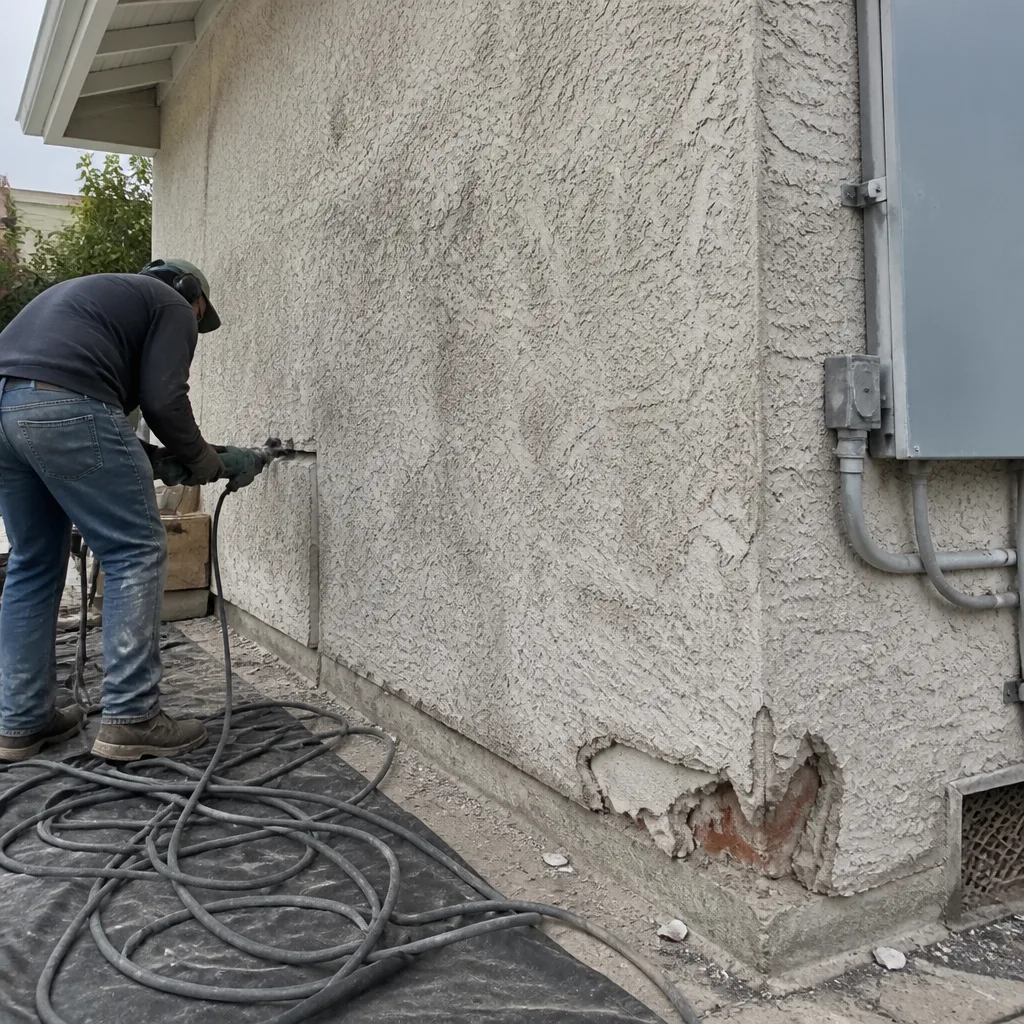 Before
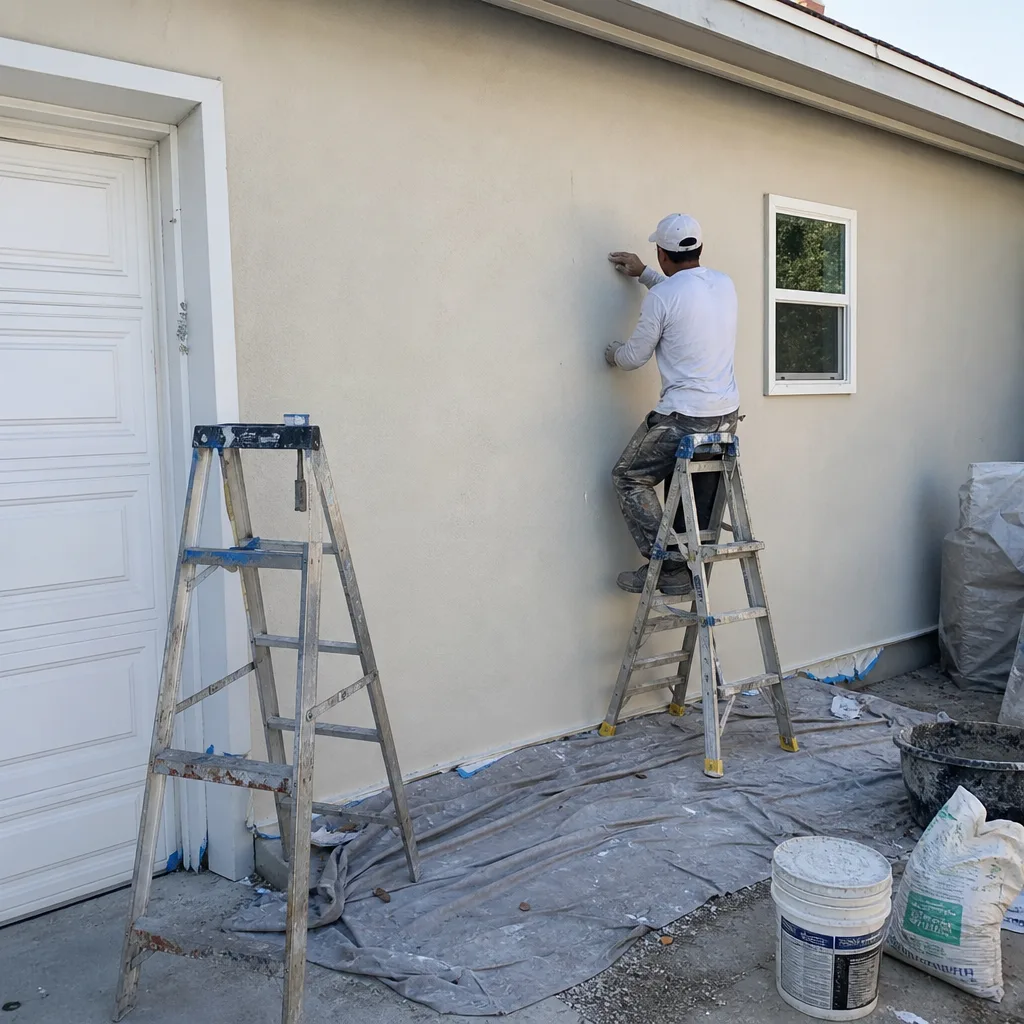 After
AfterReplacement Cost & What’s Included
In Burbank, a full Owens Corning-compatible crawl space encapsulation typically falls between $3,800 and $7,200. The low end covers a clean, rectangular crawl under 800 square feet with accessible perimeter walls and no existing barrier removal. The high end accounts for larger footprints, removal of degraded prior work, mold remediation prep, and sealing of pier-and-beam supports that add labor hours.
Our price includes reinforced vapor barrier material, closed-cell spray foam or Foamular board for the rim joist and wall junction, mechanical fastening, and seam taping with pressure-sensitive acrylic tape rated for below-grade use. We do not quote by the roll; we quote by the sealed assembly, because a vapor barrier with untaped seams is a failed system. Every job gets a written scope with line-item material specs, our 365-Day Done Right Promise, and a Documented Photo Record of the completed seal. Where applicable, we run a blower-door test before and after to quantify the air-sealing improvement. The R-value is what the label says. The performance is what the blower-door test says. We care about the second number.
DIY or Call Us?
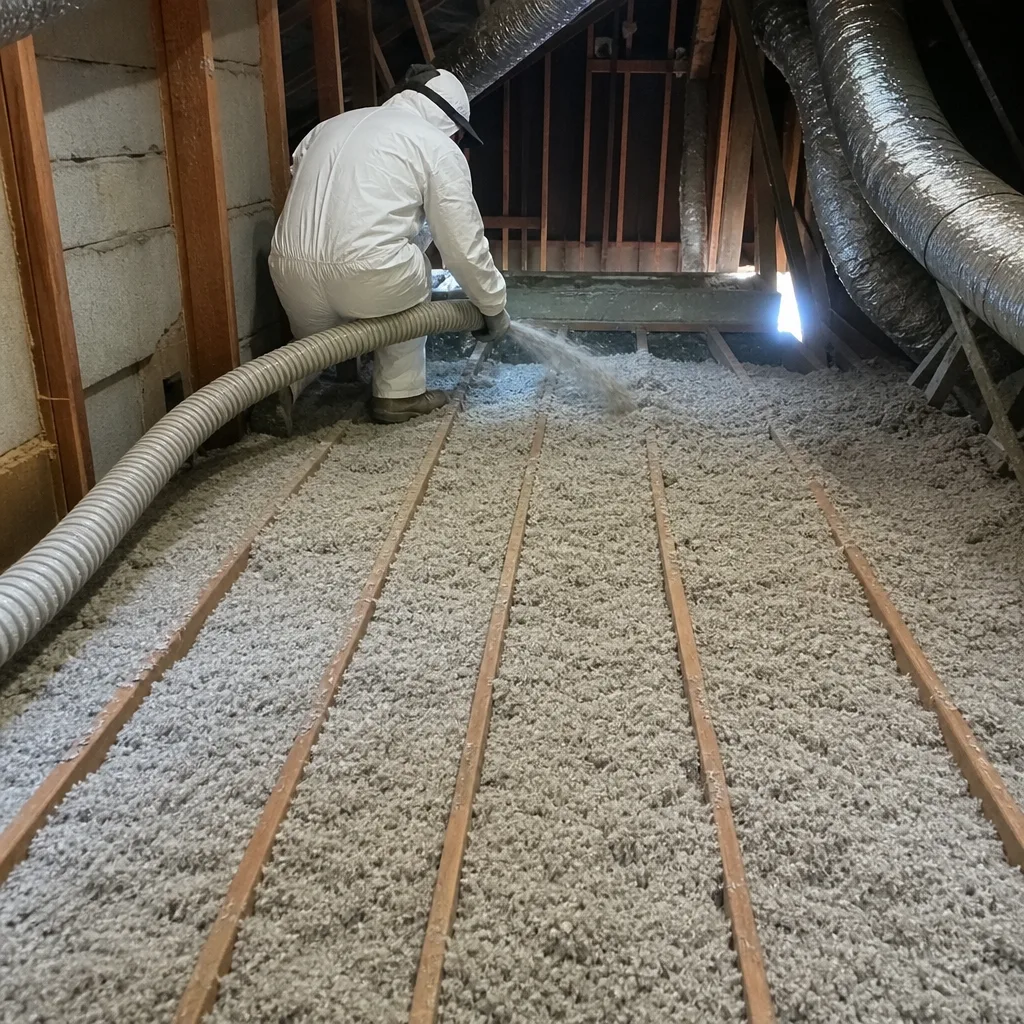
A homeowner can safely inspect their own crawl space with a flashlight and moisture meter. Check the vapor barrier for tears at seams and gaps where it meets the foundation wall. Look for discolored or compressed Owens Corning insulation, which indicates it has absorbed moisture and lost thermal performance. These observations help you describe the problem when you call.
Where DIY goes wrong is in the sequencing. Vapor barrier installation without rim joist sealing leaves the largest air leak path open. Standard hardware store tape fails in crawl space humidity within two seasons. And disturbing old fiberglass without respiratory protection exposes you to decades of accumulated dust, rodent debris, and possible mold spores. We’ve also found live electrical junctions and deteriorated plumbing in Burbank crawls that homeowners didn’t expect. For the actual encapsulation, we recommend a trained crew with proper PPE, a written scope, and a documented result. Call (213) 816-1699 for a free estimate with upfront pricing.
FAQs
A properly installed encapsulation with reinforced polyethylene and sealed seams lasts 15 to 20 years in Burbank’s climate. The limiting factor is usually the rim joist sealant, which can degrade faster if the crawl experiences seasonal flooding or irrigation oversaturation against the foundation. We inspect and quote any needed touch-downs during annual service calls. Call (213) 816-1699 if you’re unsure of your install date.
Spot repairs work if the existing vapor barrier is less than 8 years old, the material is still pliable, and the failure is limited to one or two seam separations or a small perimeter gap. We patch with compatible reinforced polyethylene and pressure-sensitive tape, then verify with a smoke pencil or blower-door test. If the barrier is brittle, extensively torn, or was installed with non-rated tape, replacement is more cost-effective than chasing multiple failure points. Call (213) 816-1699 and we’ll tell you which category you’re in.
Most residential crawl spaces in Burbank take one to two working days. Day one is removal of failed material, cleaning, and rim joist sealing with closed-cell foam or Foamular board. Day two is vapor barrier placement, seam taping, and perimeter attachment to the wall. Larger crawls or those with limited access hatches may extend to a third day. We provide a written schedule with your price before work starts.
We stock reinforced 12-mil and 20-mil vapor barrier rolls, Owens Corning Foamular boards in 1-inch and 2-inch thickness, closed-cell spray foam kits, and acrylic seam tape on every encapsulation crew’s truck. For jobs requiring specific Owens Corning fiberglass densities or faced products, we source from our supplier network with next-day availability. Same-day starts are possible for standard repairs; full replacements typically schedule within 48 hours.
Written by Wes Okafor, Owner & Lead Insulation Technician, Topside Attic Insulation Burbank at Topside Attic Insulation Burbank, serving Burbank and nearby areas.